
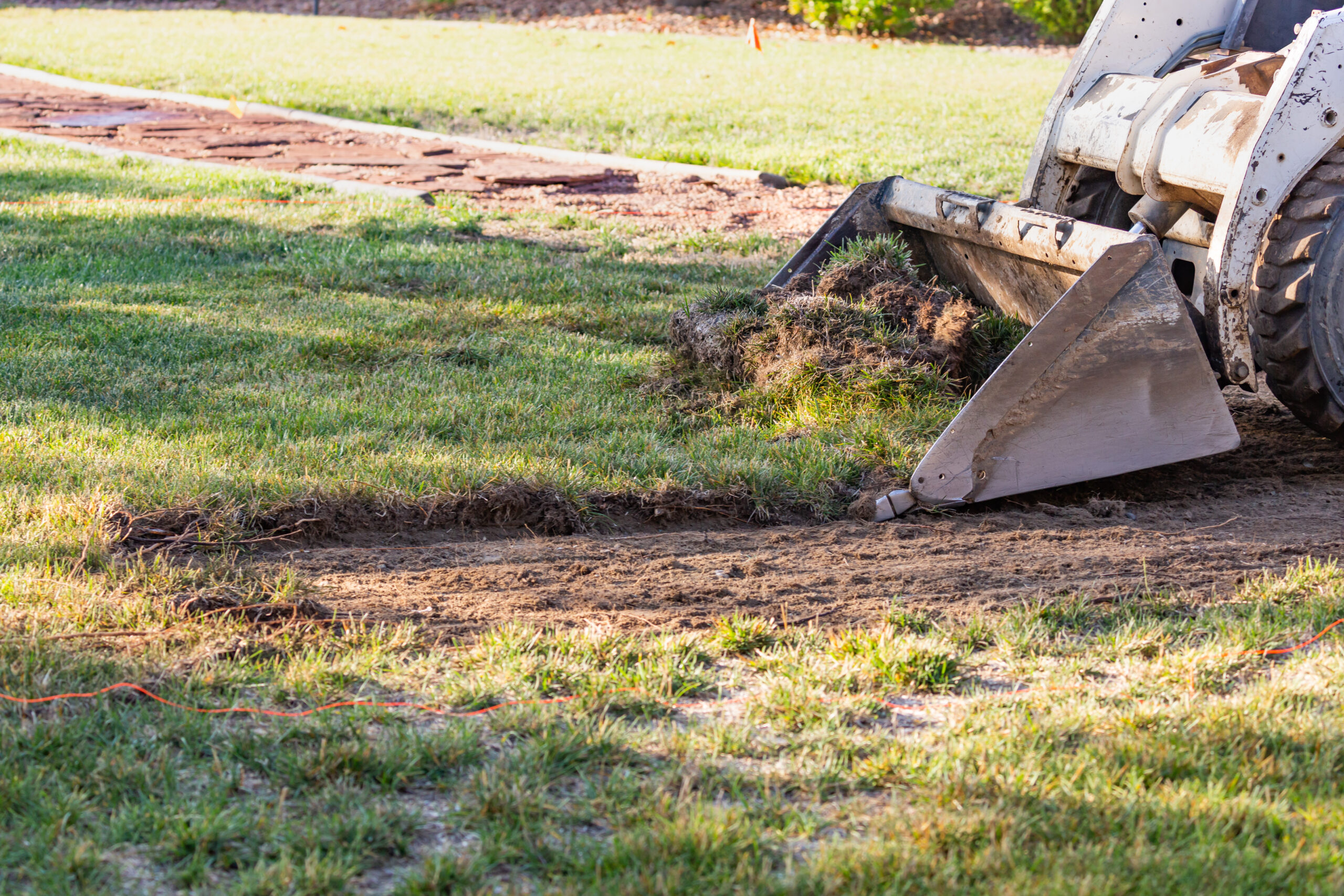
From Mud Pit to Green Lawn: What Finally Worked
If your dogs have turned your yard into a slippery mess, you are not alone. After one rainy week and a few high-energy zoomies, my backyard looked like a construction site. Paws tracked mud into the house, grass disappeared, and puddles lingered for days. I needed a fix that was fast, durable, and dog friendly. Here is how I brought my lawn back using a smart plan that combined drainage improvements with seeding and sod, plus a few design tweaks that keep it from happening again.
In this guide, I will break down what causes a muddy backyard, how to choose between seeding and sod, the exact steps I took to restore my lawn, and how Ziggy’s Landscape can help homeowners in Southeastern Wisconsin do the same. If you live in Walworth or Jefferson County and want a lawn that handles dogs and weather, this will save you time, money, and frustration.
Why Dog Yards Turn Into Mud
Constant Traffic Beats Up Turf
Dogs run hard on the same routes, sprint off decks, and cut corners on turns. These habits rip grass blades, break roots, and compact soil. Once bare spots appear, every rain turns those paths into slick mud.
Compaction Chokes Roots
Compacted soil has tiny pores squeezed shut. Water puddles on the surface instead of soaking in, and roots struggle to grow. Dogs add pressure with every step, and mowers and foot traffic make it worse.
Poor Drainage and Low Spots
Backyards often settle near patios, gates, and fence lines. Water collects there, especially in clay-heavy soils common in Southeastern Wisconsin. Standing water destroys turf and leaves slime behind.
Shade and Thin Turf
Shady zones under trees, along fences, and by sheds usually have thin grass. Once dogs damage those areas, there is not enough healthy turf to bounce back.
The First 48 Hours: Stop the Mess and Protect What’s Left
Before fixing the lawn, slow the damage and keep mud out of the house. Here is a quick triage plan that worked for me.
- Set a temporary dog route. Use a couple of cheap landscape mats, plywood sheets, or interlocking rubber tiles to create a path from the door to a designated potty area.
- Add a fast-draining potty zone. Pea gravel or decomposed granite in a small framed area drains quickly and is easy to hose down.
- Lay down straw or wood chips on the worst mud. This is not a permanent fix, but it adds traction and keeps paws cleaner.
- Clean gutters and extend downspouts. Move roof runoff 6 to 10 feet away from the lawn to cut puddles at the foundation.
- Fence off healing zones. Simple garden fencing or snow fence will keep paws off new seed or sod later.
Seeding and Sod: Which Is Right for a Dog-Torn Yard
Choosing between seeding and sod depends on your budget, timeline, and how much sunlight you get. I used both. Here is what I learned.
Seeding: Budget Friendly and Flexible
Seeding is cost effective and great for large areas. You can choose a dog tough blend with Kentucky bluegrass, perennial ryegrass, and fescue. It fills in well if you prepare the soil and water consistently. Germination takes 7 to 21 days depending on temperature and seed type, and it takes several weeks to handle heavy dog traffic. Overseeding and slit seeding can thicken thin lawns, while hydroseeding is an option for slopes or large bare zones.
Sod: Fast Results and Instant Coverage
Sod is the fastest path to a lawn that looks finished. It gives instant coverage and reduces erosion. For active dogs, sod holds up sooner than seed once it roots in. It costs more than seed and needs careful watering for the first two to three weeks. Sod does best when installed on properly graded, loosened soil. In Southeastern Wisconsin, cool-season sod varieties establish well spring through fall.
The Hybrid Approach
I used sod for the high-traffic routes and seed for the wider open areas. This cut costs and gave me usable turf faster where my dogs run hardest. Many homeowners get the best of both worlds with this blended strategy.
Timing in Southeastern Wisconsin
For our climate, the best windows for seeding and sod are spring and early fall. Soil is warm enough, air temps are cooler, and rain is more reliable. Summer installs can work with careful watering. Late fall can also work for dormant seeding, which sprouts in spring.
Step-by-Step Restoration Plan That Worked
Here is the plan I followed, adapted from best practices and the kind of approach Ziggy’s Landscape uses on dog-worn yards around Walworth and Jefferson counties.
- Map traffic and low spots. I watched where my dogs ran and marked puddle areas after rain. This revealed where to add sod and where to adjust grading.
- Fix drainage first. I extended downspouts, added a shallow swale to guide water away from the patio, and installed a small gravel-filled trench in a soggy corner. Proper drainage keeps new turf alive.
- Finish grading. I used a soil mix of screened topsoil and compost to raise low spots. A long landscape rake helped feather high edges for a smooth surface. Ziggy’s Landscape offers professional finish grading if your yard needs a true regrade.
- Loosen compacted soil. I core aerated the most compacted paths to open channels for air and water. If you do not have an aerator, Ziggy’s Landscape can handle it or you can rent one locally.
- Amend the soil. I blended compost into the top 2 to 3 inches and raked smooth. Healthy soil speeds root growth for both seed and sod.
- Install sod on high-traffic routes. I laid sod along the fence run, off the deck steps, and near the gate. I staggered seams like brick and rolled the sod to improve contact.
- Seed the open areas. I slit seeded with a dog tough mix, then topdressed with a thin layer of compost. In bare patches, I straw mulched lightly to retain moisture.
- Water wisely. For the first two weeks, I watered new sod and seed early morning and early evening to keep soil evenly moist, not soggy. After roots grabbed, I tapered to deeper, less frequent waterings.
- Keep dogs off new turf. I set up temporary fencing on the new sod and seed zones. My dogs used the gravel potty area for three weeks. It was worth the short inconvenience.
- Mow and feed at the right times. I waited until the seed was 3.5 inches tall before the first mow. I used a starter fertilizer on install day, then switched to a balanced slow-release fertilizer in late spring.
Protect Your Lawn From Future Dog Damage
Once your lawn is back, small design tweaks prevent repeat mud seasons. These are the changes that made the biggest difference for me.
- Create dedicated dog run paths. Use pavers, decomposed granite, or pea gravel along the fence where dogs patrol. It looks neat and takes abuse.
- Use sod strategically. Re-sod heavy wear areas as needed instead of trying to nurse seed where traffic is nonstop.
- Rotate play zones. Move toys and play sessions to different spots to avoid wearing the same patch.
- Add mulch under shade trees. Grass struggles there anyway. Mulch beds look clean and keep paws drier.
- Install a landing pad at steps. A small paver or turf mat at the base of stairs cushions takeoff and landing where grass gets shredded.
- Train for the potty zone. Be consistent for a couple of weeks and reward every success. This change alone reduces mud dramatically.
- Keep nails trimmed. Shorter nails mean less turf tearing during sharp turns.
- Overseed twice a year. Light overseeding in spring and fall keeps turf dense and resilient.
Seasonal Care Calendar for Southeastern Wisconsin
Spring
Rake up winter debris, aerate compacted zones, overseed thin spots, and apply a starter fertilizer if you seeded. Set mowing height to around 3 inches. Check drainage after early storms and adjust grading if needed.
Summer
Water deeply and less often, about 1 inch per week depending on rainfall. Mow high to shade roots. Touch up sod seams if a high-traffic area starts to thin. Keep the potty zone clean and refresh gravel as needed.
Fall
This is prime time for seeding and sod. Overseed heavily used areas, apply a fall fertilizer, and topdress with compost to build soil. Repair any ruts before freeze-up. Consider dormant seeding late in the season.
Winter
Shovel pet paths to avoid icy ruts. Keep dogs off soaking thaws to prevent ripping. Plan spring projects with a pro if larger grading or drainage fixes are needed.
Costs and Timelines: What to Expect Locally
Prices vary with yard size, access, and prep needs, but here are ballpark figures homeowners in Walworth and Jefferson counties often see when working with a professional like Ziggy’s Landscape.
- Soil prep and finish grading: typically a few hundred dollars for small fixes, up to a couple thousand for full-yard grading.
- Seeding and overseeding: more affordable per square foot, with slit seeding or hydroseeding adding to cost. Great for larger areas.
- Sod installation: higher cost per square foot but instant coverage and faster use. Ideal for dog paths and focal areas.
- Drainage improvements: downspout extensions are inexpensive, while swales and french drains vary based on complexity.
Timeline wise, sod looks complete the same day and can handle light traffic in 2 to 3 weeks. Seed needs 3 to 8 weeks before it can handle dog play, depending on weather and mix. A hybrid plan can give you fast usability with sod while seeded zones fill in behind it.
Common Mistakes That Keep Yards Muddy
- Skipping drainage fixes and jumping straight to seed or sod.
- Ignoring soil compaction. Without aeration or loosening, roots struggle.
- Using the wrong seed blend for shade or traffic.
- Letting dogs on new turf too soon.
- Watering too often and too lightly. This encourages shallow roots and more mud.
- Not protecting heavy wear zones with hardscape or mulch.
How Ziggy’s Landscape Turned My Plan Into Results
Ziggy’s Landscape is a local landscaping team serving Southeastern Wisconsin, including Walworth and Jefferson counties. They help homeowners create and maintain outdoor spaces that look good and hold up to real life. When dogs are part of the family, that matters. Their crew understands how grading, soil health, and the right mix of seeding and sod can revive a lawn and keep it strong through our freeze-thaw cycles and summer storms.
What stood out to me was their practical, problem-solving approach. They were not just laying grass. They were building a system that sheds water, resists wear, and is easy to maintain. Here is what they offer that is especially useful for dog owners.
- Finish grading for proper drainage to stop puddles where dogs run.
- New lawn installation with seed and sod, including hybrid solutions for high-traffic paths and open play areas.
- Regular lawn mowing to keep turf healthy and at the right height.
- Mulch application for shady beds and under trees where grass struggles.
- Seasonal clean-ups in spring and fall to keep the lawn breathing and resilient.
- Snow removal in winter to protect access and reduce icy ruts in dog paths.
Ziggy’s Landscape also tailors solutions to budget and timeline. If you want an immediate yard for a birthday party or graduation, they can prioritize sod. If you want a cost-effective full-yard revival, they can plan a staged seeding and sod program. Their goal is a yard that works with your dogs, not against them.
Frequently Asked Questions About Seeding and Sod
Is sod or seed better for dogs?
Both can work. Sod gives fast coverage and handles traffic faster once it roots. Seed is more budget friendly and great for large areas. Many dog owners do sod on paths and seed open zones. The key is proper soil prep and drainage either way.
How long before my dogs can use new sod?
Light traffic after 2 to 3 weeks is common once the sod roots. Check by tugging gently. If it resists, it is rooted. Keep heavy play off for a few more weeks.
How long before dogs can use seeded areas?
Plan on 4 to 8 weeks depending on weather and seed type. Tall fescue establishes faster than Kentucky bluegrass. Be patient. Give roots time to anchor.
What seed blend is best for dog yards in Wisconsin?
A mix of Kentucky bluegrass for recovery, perennial ryegrass for quick germination, and tall fescue for durability works well. In shade, use a shade-tolerant fescue blend.
Can I fix mud without regrading?
Sometimes. Aeration, compost topdressing, and strategic sod can help. But if water sits, minor finish grading or a shallow swale may be necessary. Ziggy’s Landscape can assess this on site.
What if my dogs keep running the same track?
Build a hardscape path they are allowed to use. Pavers, gravel, or decomposed granite look neat and stop the mud cycle. Pair that with training and a landing pad at doorways.
The Bottom Line: A Smarter Yard Beats Mud Season
Dogs will be dogs. The trick is designing a yard that welcomes them while staying green and clean. For me, the winning formula was to fix drainage, loosen compacted soil, and use a hybrid of seeding and sod. Add a small gravel potty zone, protect the heaviest traffic paths, and overseed twice a year. Now after rain, my lawn drains, holds up to play, and my floors stay clean.
If you want expert help in Southeastern Wisconsin, Ziggy’s Landscape can handle everything from finish grading and drainage to new lawn installation with seed and sod, plus ongoing mowing and seasonal clean-ups. They know what works for dog families because they build lawns that last in our local conditions. Ready to turn your mud pit into a sturdy, beautiful yard? Reach out to Ziggy’s Landscape and get a plan tailored to your dogs, your budget, and your timeline.