
If you are dealing with a bumpy uneven yard, you are not alone. Many homeowners see lumps and dips after a long winter or a heavy rain and wonder if it is normal. This guide explains what is typical, what may be a problem, and how to fix it safely and affordably. You will also learn when to call a pro like Ziggy’s Landscape for reliable help in Southeastern Wisconsin.
Is a Bumpy Uneven Yard Normal?
Some natural variation in a yard is normal. Soil shifts over time as it settles, dries, freezes, and thaws. Foot traffic and pets can create small depressions. Earthworms and other soil life move soil and create tiny mounds. A yard does not need to be perfectly flat to be healthy.
That said, there is a difference between slight ripples and a lawn that is uneven enough to cause trouble. If your mower scalps high spots or leaves uncut grass in low spots, or if water pools in certain areas after rain, your yard may need attention. If you trip often or notice puddles near your home, it is not just cosmetic. It can be a safety hazard and a sign of poor drainage.
Why Yards Become Uneven
Uneven yards can develop for many reasons, and several can happen at once. In Southeastern Wisconsin, the freeze and thaw cycle is a major factor. Below are common causes.
- Soil settling after construction or landscaping, especially in new subdivisions
- Frost heave from winter weather that lifts and shifts soil and stones
- Heavy foot traffic, pet paths, and play areas that compact soil
- Tree roots pushing up as they grow or shrinking soil as roots absorb moisture
- Buried debris or poorly compacted backfill left from past projects
- Animal activity such as moles, voles, ground bees, and earthworms
- Thatch buildup and shallow roots that create a spongy surface
- Improper drainage, downspouts that dump water next to the house, or leaky irrigation
- Sod seams or utility trenches that settle after installation
How to Tell if Your Lawn Needs Leveling
Before you start fixing a bumpy uneven yard, take time to diagnose the cause and severity. A simple walk-through can save time and money.
Simple Tests You Can Do
- String line test: Stretch a string between two stakes across suspect areas. Measure gaps to find highs and lows.
- Ball test: Roll a ball after a light rain. If it repeatedly stops in the same places, you have low spots or soft soil.
- Screwdriver test: Push a screwdriver into the ground. If it is hard to push in, the area may be compacted.
- Water watch: After rain, note where water lingers more than 24 hours. Standing water signals grading or drainage issues.
Map and Measure the Problems
Walk the yard and flag each bump or dip. Estimate how deep each one is. If most dips are less than an inch deep, a light topdressing may be enough. For dips that are 1 to 3 inches deep, plan staged leveling. If you see large grade problems, repeated standing water, or tripping hazards, consider professional help. Ziggy’s Landscape can do a formal assessment for homeowners in Walworth and Jefferson counties.
DIY or Hire a Pro?
Many minor uneven areas are simple to fix. Others point to larger issues with drainage and soil structure. Use the guide below to decide.
- Minor variations under 1 inch: DIY topdressing usually works.
- Moderate dips 1 to 3 inches: DIY works with patience and multiple passes. Consider a pro if the area is large.
- Large low areas or water pooling near the home: Call a pro. Finish grading may be needed.
- Trench settling, root heave, or repeated frost heave: A professional plan helps prevent repeat problems.
Ziggy’s Landscape offers finish grading for proper drainage, new lawn installation with seed or sod, and seasonal maintenance to keep your yard level and healthy. Local knowledge of soils and weather in Southeastern Wisconsin helps us deliver long-lasting results.
Easy DIY Fixes for a Bumpy Uneven Yard
If your yard only has mild to moderate unevenness, you can improve it with simple tools and basic materials.
What You Will Need
- Lawn rake and stiff push broom or leveling rake
- Wheelbarrow and shovel
- Topdressing mix of compost and screened topsoil. Add coarse sand if your soil drains poorly.
- Grass seed to match your current lawn
- Watering hose with spray nozzle or sprinkler
- Tamper for small bumps and hole repairs
How to Level Shallow Dips
- Mow the grass slightly lower than usual. Bag the clippings to reduce thatch while you work.
- If the lawn is very spongy, dethatch or core aerate first. That helps soil blend with the topdressing.
- Mix equal parts screened topsoil and compost. For heavy clay, add a small amount of coarse sand.
- Spread a thin layer, about a half inch, over low spots. Do not bury grass blades completely.
- Use a push broom or leveling rake to work the mix into the grass and smooth the surface.
- Water lightly to settle the material. Do not flood the area.
- Repeat after a week or two if needed. Several thin applications are better than one thick layer.
- Overseed thin areas and keep evenly moist until new grass is established.
How to Flatten Small Bumps
- Use a shovel to cut an H-shape over the bump. Fold back the flaps of grass like hinges.
- Remove or shave soil from the high spot. Tamp the soil level and firm.
- Fold the grass back into place and press edges together. Add a bit of soil under seams if needed.
- Water and topdress any gaps. Overseed if the grass was damaged.
Repair Small Holes and Animal Tunnels
- For shallow holes, fill with a soil and compost mix. Tamp lightly.
- For mole runs, collapse the tunnels and fill with soil. Consider managing grubs to reduce mole feeding.
- Reseed bare patches and cover with a light layer of straw or compost.
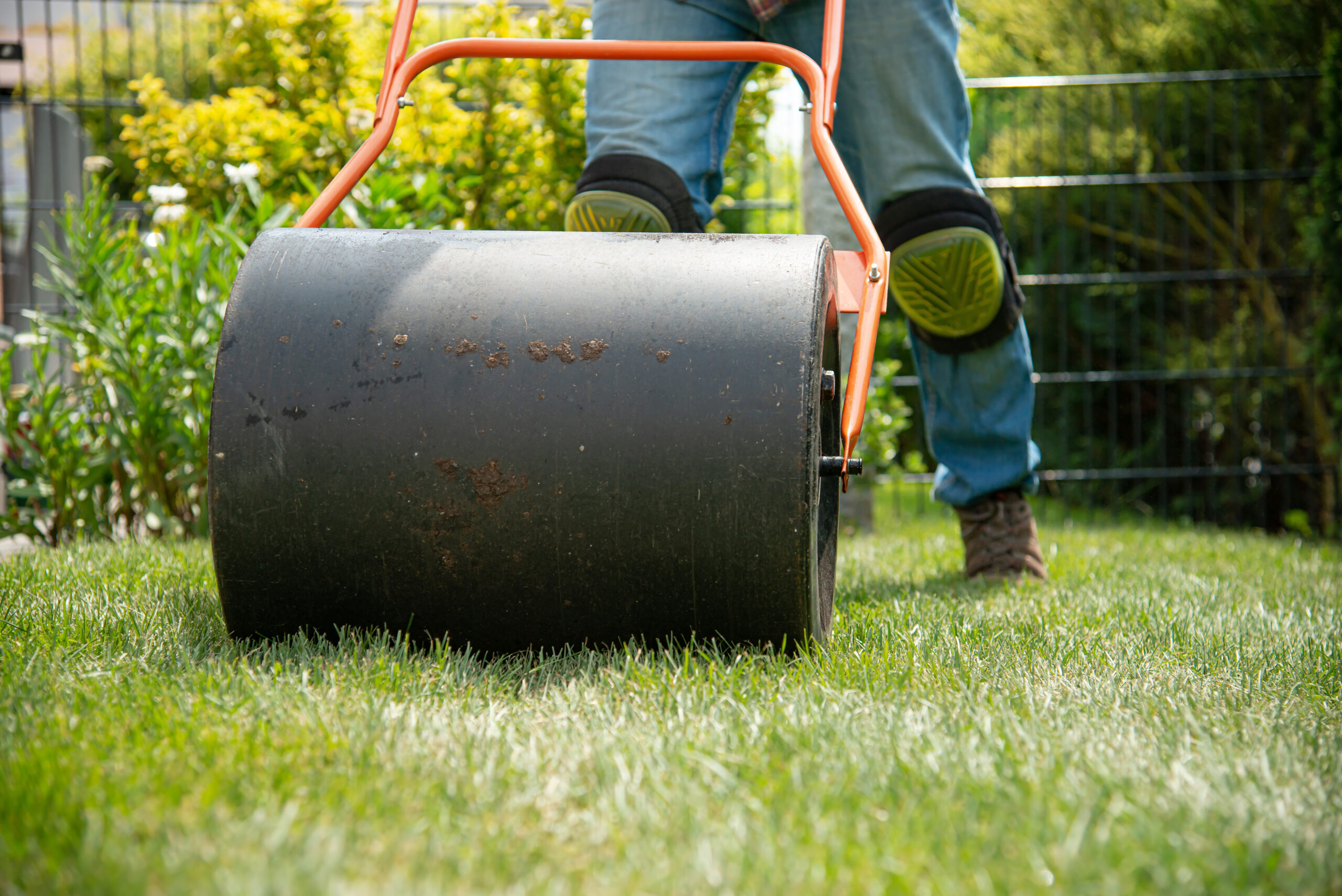
What About Lawn Rollers?
Rolling can press down small frost heaves in early spring when soil is slightly moist, not wet. Use a light roller and do it sparingly. Over-rolling can compact soil and lead to poor root growth. If you are not sure, skip the roller and focus on aeration and topdressing.
Best Time to Level a Lawn in Southeastern Wisconsin
Timing matters. For cool season grasses common in Wisconsin, early spring and early fall are best. Soil is workable, temperatures are mild, and rainfall helps new seed. Avoid mid-summer heat or working very wet soil during spring thaw. After a hard winter, give your yard a few weeks to settle before you start major leveling.
Preventing Future Bumps and Dips
Once your lawn is level, simple habits can keep it that way. A little prevention goes a long way and saves money over time.
- Maintain a gentle slope away from your home. A 1 to 2 percent grade helps water flow safely.
- Extend downspouts and keep gutters clean to reduce erosion and ponding.
- Core aerate compacted areas once a year and topdress with compost to build soil health.
- Keep a consistent mowing height and change mowing patterns to avoid ruts.
- Add stepping stones or gravel paths where foot traffic is heavy.
- Train pets to use a designated area and rotate play zones to limit wear.
- Mulch around trees and avoid piling soil over exposed roots. Add thin layers only to protect tree health.
- Schedule seasonal cleanups to remove debris that can create hidden bumps as it decomposes.
Special Cases to Watch For
New Construction Yards
New homes often have soil that was moved, compacted, and then covered with a thin layer of topsoil. Settling over one to three years is common. If you see ridges or low plains across your yard, you may need finish grading and reseeding. Ziggy’s Landscape can inspect, grade for proper drainage, and install seed or sod for a fresh start.
Sod Seams and Patchwork Repairs
Sod may shrink or settle along seams. Gently topdress seams in thin layers and water to help grass knit together. For patchwork areas, remove loose sod, level the base soil, and reinstall. Overseed edges to blend.
Tree Roots and Shaded Areas
Do not add thick soil layers over tree roots. Roots need oxygen. Use very thin topdressing, no more than a quarter inch at a time, and repeat as needed. Consider shade tolerant grass, mulch rings, or a planting bed to reduce turf stress under mature trees.
Drainage and Standing Water
If water pools more than a day after rainfall, leveling alone may not solve the problem. You may need grading to establish a positive slope, or a drainage solution like a swale or catch basin. Ziggy’s Landscape performs finish grading to move water away from foundations and off turf areas. This protects your home and extends the life of your lawn.
Winter Damage and Snow Removal
Snow piles and freeze cycles can lead to heaving near driveways and walkways. In spring, rake away sand and debris, then level small heaves with topdressing. As a local provider of snow removal, Ziggy’s Landscape understands how winter can reshape a yard. We can help repair edges and correct damage as part of spring cleanups.
How Much Does Leveling a Yard Cost?
Costs vary based on lawn size, soil conditions, and what is causing the unevenness. Small DIY topdressing projects can be low cost, especially if you already have tools. Larger low areas, drainage fixes, and reseeding will cost more. Professional finish grading and new lawn installation create a lasting solution and may be more cost effective than repeated DIY fixes. If you live in Walworth or Jefferson County, Ziggy’s Landscape can provide a clear estimate after a site visit and help you choose the most affordable plan that meets your needs.
Why Work With Ziggy’s Landscape
Ziggy’s Landscape is based in Southeastern Wisconsin and serves homeowners and businesses across Walworth and Jefferson counties. We specialize in creating healthy, functional outdoor spaces that look great and work with our local climate. Our team brings practical know-how to every project and treats each yard like it is our own.
- Finish grading for proper drainage and smoother lawns
- New lawn installation with seed or sod tailored to your site
- Regular mowing programs to prevent ruts and scalping
- Mulch installation to stabilize soil and protect plantings
- Seasonal cleanups to remove debris and reduce uneven settling
- Snow removal services that consider lawn health and spring recovery
Every yard is different. We listen first, then recommend a plan that fits your goals and budget. Whether you need a light touch to fix a few dips or a full grading solution, Ziggy’s Landscape provides reliable service and clear communication from start to finish.
Step-by-Step: Our Professional Leveling and Grading Process
If your bumpy uneven yard needs more than DIY care, here is how a typical professional project works with Ziggy’s Landscape.
- Site evaluation: We walk the property, test soil, and locate problem areas. We look for drainage paths, compaction, and hidden debris.
- Plan and estimate: We explain options. This could include targeted leveling, finish grading, or a full renovation with seed or sod.
- Preparation: We strip thatch or old turf if needed, address compacted zones, and shape the soil for smooth transitions and proper drainage.
- Fine grading: We create a gentle, consistent slope and blend high and low areas for a level finish.
- Installation: We seed with quality blends or install fresh sod. We apply starter fertilizer and set a watering plan.
- Follow-up care: We guide you on mowing height, watering, and seasonal maintenance for long-term success.
Common Questions About Uneven Yards
Will a bumpy yard fix itself?
Minor frost heaves may settle, but most bumps and dips stay or get worse without attention. Soil compaction, roots, and water patterns tend to repeat. A plan to level and stabilize usually pays off.
Is sand good for leveling?
Pure sand is not recommended on most lawns, especially in clay soils. A mix of screened topsoil and compost is better. Add a small amount of coarse sand only to improve drainage in select spots.
Can I level a yard with a roller alone?
Rolling helps only with slight heaves. It does not fix low spots and can compact soil. Use it sparingly and focus on aeration and topdressing for lasting results.
When is it too late to level in the season?
In Southeastern Wisconsin, aim for early spring or early fall. Late fall leveling may not give seed time to establish. Summer leveling can stress grass without careful watering.
Your Next Step
If your bumpy uneven yard is small and manageable, try the DIY steps in this guide. Work slowly, use light layers, and be patient. If you see standing water, large grade issues, or repeated trouble spots, it is time for a professional. Ziggy’s Landscape is ready to help with expert grading, new lawn installation, and ongoing care. We serve homeowners and businesses throughout Walworth and Jefferson counties and take pride in delivering friendly service and dependable results.
Ready for a smoother, safer lawn that drains well and looks great? Contact Ziggy’s Landscape to schedule an on-site evaluation. Together, we will turn your uneven yard into a level, healthy landscape you can enjoy all year.