
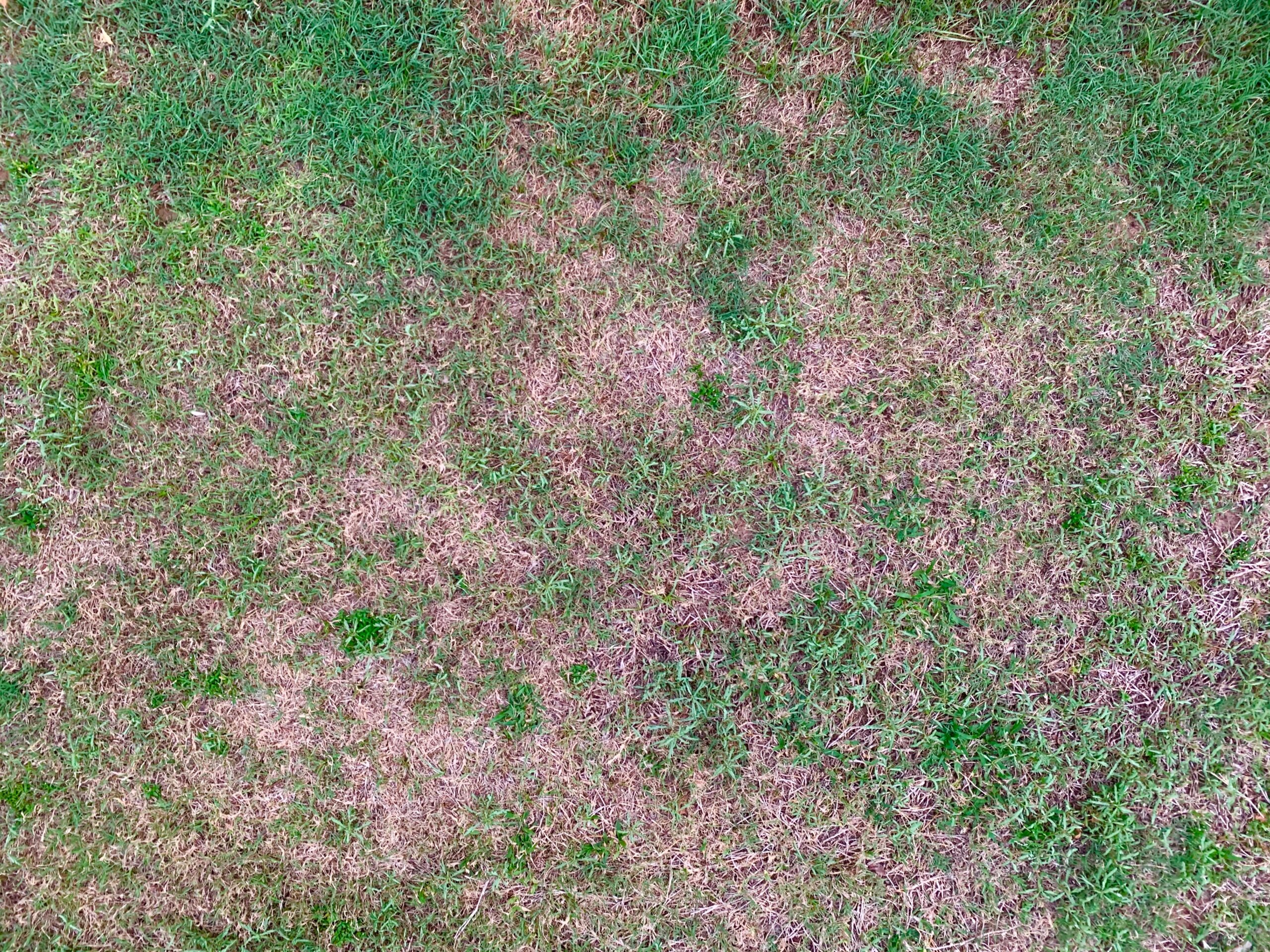
Overview: What Causes Patchy Grass and Why It Matters
Commercial lawn damage near sidewalks is more than a cosmetic problem. Patchy grass at entrances and along walkways sends a message to customers, tenants, and staff before they even step inside. In Southeastern Wisconsin, where freeze and thaw cycles, heavy foot traffic, and winter maintenance are part of life, sidewalks are tough on turf. The good news is that there are clear reasons this damage happens and practical ways to prevent it. In this guide, you will learn why these hot spots develop, how to fix them, and how to keep them from coming back. Ziggy’s Landscape helps commercial properties in Walworth and Jefferson counties design and maintain healthy lawns that hold up to daily use and weather.
Top Reasons for Commercial Lawn Damage Near Sidewalks
Foot Traffic Concentrates in the Same Spots
Sidewalks and entrances funnel people into narrow areas. Visitors cut corners, create shortcuts, and follow the fastest route between parking and doors. These patterns form desire paths where grass cannot recover. Repeated foot traffic crushes blades and compacts the soil. Roots cannot breathe or grow, and turf thins out. Once the canopy opens, the soil surface dries faster and weeds jump in. High-traffic edges near curb ramps, crosswalks, and trash enclosures are common trouble zones on commercial sites.
Soil Compaction Chokes Roots
Soil around sidewalks compacts faster than open lawn. Foot traffic, service carts, and equipment all press the particles tightly together. Compaction cuts off air pockets that roots need. Water has a harder time moving into the ground, so irrigation tends to run off into the pavement. Roots stay shallow and weak, and the grass struggles in heat and cold. Compaction is often worst along the first foot of turf next to concrete and at building entrances.
Salt and De-icing Chemicals Burn Turf
Winter safety is vital, but de-icing salt can be hard on grass. Rock salt and many chlorides pull moisture out of plant cells. They also build up in the soil near walkways where snow melts and salt-laden slush drains. This creates burned edges and dead patches that show up in late winter and spring. In Southeastern Wisconsin, long winters and repeated treatments magnify the effect. Many sites also pile snow on lawn edges, which concentrates salt in one place as it melts.
Heat from Pavement and Buildings Stresses Grass
Sidewalks, curbs, and building walls reflect and store heat. During sunny days, these hard surfaces can raise the temperature at grass level. Heat stress increases water needs and can scorch shallow roots. The outer strip of turf next to concrete often dries out faster than the rest of the lawn. This is why irrigation coverage and timing matter so much along edges.
Mowing and Trimming Damage the Edges
Edges near sidewalks are easy to scalp if mower blades ride high points or if the soil has settled unevenly. String trimmers can also nick crowns and chew into the same area week after week. Over time, this causes thin, brown edges and weak regrowth. In small strips, one mistake every few weeks can set grass back for the whole season.
Irrigation Coverage Is Uneven
Sidewalk strips often miss water. Heads may be set too far back, overspray may be reduced to avoid wet pavement, or wind may push droplets away. Some systems water the center of the lawn well but leave edges dry. The opposite can also happen, where overspray keeps soil soggy by the concrete and leads to shallow roots and disease. Consistent hydration is essential for edge health.
Drainage and Grading Problems
If sidewalks are higher than the lawn or if the grade slopes toward the walkway, runoff can pool or race along the edge. Standing water suffocates roots. Fast runoff pulls fine soil particles away, exposing roots and leaving a crust that water cannot penetrate. In spring, freeze and thaw cycles worsen the problem as water expands and contracts in the soil, tearing roots and creating gaps under turf.
New Sod or Seed Did Not Establish Well
Freshly installed sod and seed are sensitive to stress. If installation did not include proper soil prep, rolling, and watering, the first growing season can be rough. Edges that miss water during the first few weeks may fail to root. Traffic near entrances can also disturb new turf before it is ready. Once thin spots appear, weeds quickly fill the gaps.
Pets and Landscaping Chemicals Add Stress
Pet urine spots are common along sidewalk edges, especially near multi-tenant entrances. The high nitrogen content burns leaves and roots. In addition, incorrect use of herbicides or fertilizer at the edge can cause chemical burn. Concentrated product near concrete, overlaps, and spills leave visible lines and patches.
How to Prevent and Repair Patchy Grass Near Entrances and Walkways
Start with Site Design That Guides Foot Traffic
Design solves many edge problems before they start. People choose the shortest, easiest route. Give them paths that match real behavior, then protect the turf everywhere else. Small adjustments reduce commercial lawn damage near sidewalks and keep your site looking clean.
- Widen narrow walkways at entrances and corners where traffic pinches.
- Add stepping pads or short connector walks where people already cut across.
- Install attractive mulch beds or low plantings in corners prone to shortcuts.
- Use decorative edging or low fencing to redirect foot traffic in sensitive areas.
- Place bike racks, benches, and waste stations in ways that protect turf edges.
Ziggy’s Landscape can review your entrances and map current foot patterns. We then recommend small hardscape changes or bed expansions that reduce wear without changing the look of your property.
Improve Soil Health with Aeration and Topdressing
Core aeration relieves compaction and opens channels for air and water. Pair it with compost topdressing to rebuild structure in the root zone. Overseed with traffic-tolerant varieties right after aeration for best seed-to-soil contact.
- Core aerate compacted edges in spring and fall.
- Topdress with screened compost at 0.25 to 0.5 inches.
- Overseed with a blend of high-quality Kentucky bluegrass, perennial ryegrass, and fine fescue suited to Southeastern Wisconsin.
- Water lightly and often until seedlings establish.
Ziggy’s Landscape offers aeration and overseeding as part of seasonal maintenance. We match seed blends to your sun, soil, and traffic levels for long-term success.
Use Salt-Smart Winter Practices
Winter safety cannot be compromised, but you can reduce turf burn. The goal is to melt ice efficiently with less impact on grass.
- Pre-treat walkways with brine to reduce total salt use.
- Switch to chloride alternatives like calcium magnesium acetate where possible.
- Use calibrated spreaders to avoid over-application at edges.
- Keep piles of plowed snow away from lawn edges when space allows.
- Rinse or flush salt zones in early spring during thaw periods.
Ziggy’s Landscape provides snow removal and de-icing with a focus on lawn protection. We set markers to keep plow blades off turf and plan safe snow storage areas that protect key lawn zones.
Dial In Irrigation Coverage Along Edges
Sidewalk strips and entry zones need precise watering. Too little or too much both cause damage. The fix is technical and simple.
- Check head spacing and arc to deliver uniform coverage to the outer strip.
- Add strip-pattern nozzles designed for narrow areas.
- Use cycle and soak schedules to let water absorb without runoff.
- Install a smart controller that adjusts for heat, wind, and rainfall.
- Audit the system mid-season to confirm performance.
For properties without irrigation, plan supplemental watering during heat waves and after overseeding. Ziggy’s Landscape can tune your system or set up a simple watering plan for maintenance crews.
Set Mowing and Trimming Standards
Small details add up to big results at the edge. Mowers and trimmers can protect turf with a few simple rules.
- Keep blades sharp and set the deck height at 3 to 3.5 inches for cool-season turf.
- Avoid scalping by following the grade and slowing down along edges.
- Use guards with string trimmers and avoid digging into crowns.
- Rotate mowing patterns to reduce tracking at entrances.
- Clean clippings from sidewalks to prevent slip hazards and staining.
Ziggy’s Landscape trains crews to treat edges with care. Our weekly mowing includes best practices that keep turf dense and resilient.
Fix Grade and Drainage Problems
Finish grading near walkways ensures water flows away from the sidewalk and into the root zone. Where needed, regrade to establish a gentle slope, add topsoil to low spots, or install a narrow French drain if water collects. Good grading reduces winter heave, prevents erosion, and gives roots a stable environment.
Finish grading is a core service at Ziggy’s Landscape. We correct problem areas, then follow with seed or sod installation for a clean, long-lasting repair.
Choose the Right Grass for the Location
Not all turf is equal at the edge. Use blends that handle foot traffic, salt exposure, and heat from pavement. In Southeastern Wisconsin, a mix of improved Kentucky bluegrass for recovery and density, perennial ryegrass for quick establishment, and fine fescue for shade tolerance is a strong choice. Near entrances with heavy traffic, consider turf-type tall fescue where acceptable, since it has deeper roots and better drought tolerance.
Strategically Replace Turf with Beds Where Grass Cannot Win
Some spots will always suffer. That includes tight corners by doors, narrow strips between curb and walk, and zones that collect snow every storm. In those areas, swap turf for a durable landscape bed.
- Use mulch with steel or paver edging to keep a crisp line.
- Add salt-tolerant shrubs and perennials for year-round structure.
- Place decorative stone in the highest wear zones near doors.
- Blend the new bed into the existing design for a natural look.
Ziggy’s Landscape can design and install beds that match your brand and building style. You gain a neat, low-maintenance edge that still feels green and welcoming.
Repair Plans for Spring and Fall
Timing matters. In our area, spring and fall offer the best windows for turf recovery. A clear plan moves you from damage to durable results.
- Early spring: Rake matted turf, flush salt zones with water if possible, and apply a light compost topdressing.
- Late spring: Aerate compacted edges, overseed if needed, and adjust irrigation.
- Mid-summer: Monitor wear and add temporary stepping stones or signage if traffic spikes.
- Early fall: Aerate again, overseed with a premium blend, and topdress thin areas.
- Late fall: Final cut at the right height, then prep for snow with markers and a salt plan.
Ziggy’s Landscape offers seasonal clean-ups, aeration, seeding, and snow preparation in one coordinated program. This keeps your lawn protected all year.
Common Questions About Sidewalk Edge Damage
Why does the grass near our entrance die every winter?
Most winter edge damage comes from salt, snow piles, and foot traffic. Melting snow pulls salt into the soil. Heavy piles concentrate it in small areas. Add compacted soil and weak roots, and the result is dead patches near entrances. The fix is a salt-smart plan, clear snow storage areas, and soil recovery in spring.
Is sod or seed better for repairing thin strips by sidewalks?
Sod gives instant cover and stands up sooner to wear. Seed costs less and can match existing turf well. For narrow strips along high-visibility entrances, sod is often the best choice. For longer sidewalk runs, a mix of aeration, topdressing, and overseeding can be very effective. Ziggy’s Landscape installs both seed and sod and will recommend the right approach based on traffic and budget.
How often should we aerate edges by sidewalks?
At least once a year, and twice for heavy-traffic commercial sites. Spring and fall aeration restore air space and help water soak in. Pair aeration with topdressing and overseeding for the best recovery.
Can we use less salt without risking slips?
Yes. Pre-treating with brine, using the right product for the temperature, and calibrating spreaders all reduce salt use while maintaining safety. You can also switch to alternatives in sensitive zones and store snow away from turf. Ziggy’s Landscape can set up a winter plan that protects both people and plants.
What turf varieties handle sidewalks best?
Use a blend for resilience. In Southeastern Wisconsin, improved Kentucky bluegrass provides density, perennial ryegrass adds fast germination and wear tolerance, and fine fescue helps in shade. Turf-type tall fescue works in some commercial settings where deeper roots and traffic tolerance are needed.
A Step-by-Step Game Plan to Stop Commercial Lawn Damage Near Sidewalks
- Walk the site and mark trouble zones like entrances, bus stops, corner cuts, and snow pile areas.
- Map traffic patterns and consider walkway widening, connector paths, or new beds where people already walk.
- Test irrigation coverage at edges and adjust heads, nozzles, and schedules.
- Schedule core aeration of compacted edges, followed by compost topdressing and overseeding.
- Choose blends suited to local climate, sun, and salt exposure.
- Set mowing standards to avoid scalping and trim damage.
- Plan winter operations with plow markers, snow storage zones, and calibrated de-icing.
- Inspect monthly during peak season and repair small spots before they spread.
Ziggy’s Landscape can manage this plan from start to finish. Our team serves commercial properties across Walworth and Jefferson counties with maintenance, grading, lawn installation, mulch, and winter services that protect your investment.
Why Work with Ziggy’s Landscape
Local Expertise and Complete Care
Ziggy’s Landscape is based in Southeastern Wisconsin, so we understand the weather, soils, and seasonal pressures that cause commercial lawn damage near sidewalks. We provide regular mowing, new lawn installation with seed and sod, mulch application, finish grading for proper drainage, seasonal clean-ups, and snow removal. Our approach is practical and tailored to your site and budget. We focus on durable results that look good year-round.
Customized Solutions for Your Property
Every property has unique traffic patterns and constraints. Ziggy’s Landscape builds a plan that fits your use and your brand. We can widen a walkway, reshape a bed, install tougher turf, or design a winter program that reduces salt burn. Our goal is to keep your entrances inviting and your maintenance costs predictable.
Get Started
If you are dealing with patchy grass at entrances or want to stop commercial lawn damage near sidewalks before it starts, Ziggy’s Landscape is ready to help. We will assess your site, explain the causes, and deliver a clear plan for prevention and repair. Contact Ziggy’s Landscape to schedule a consultation in Walworth or Jefferson County and take the first step toward a strong, healthy lawn that stands up to daily use.