
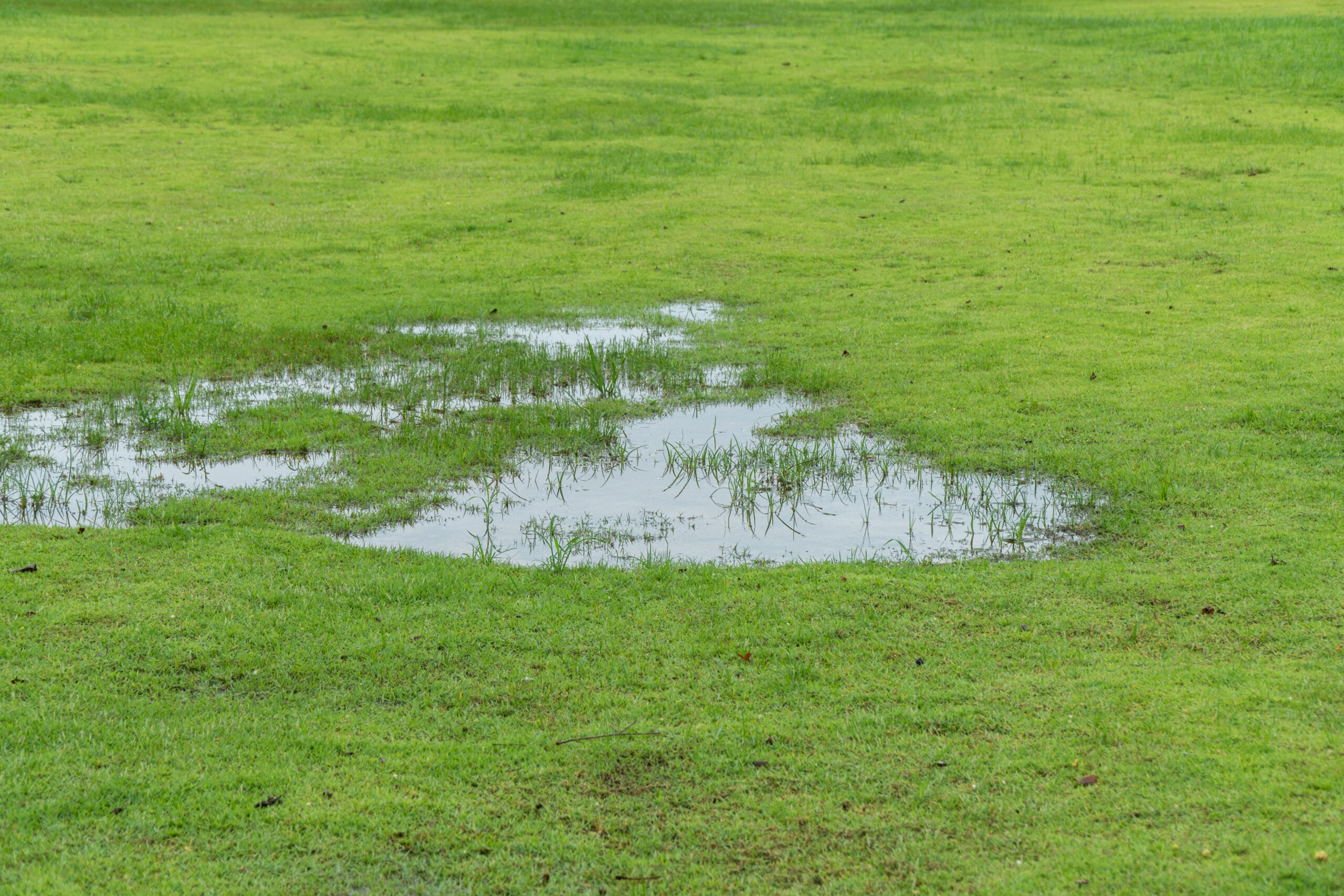
Drainage problems commercial property? Learn why water pools near your building after rain and how to fix it fast. Get expert tips and schedule an assessment today.
If you notice water pooling near your building after a storm, you are not alone. Many businesses in Southeastern Wisconsin face this issue in spring, summer, and during snowmelt. Standing water is more than a nuisance. It can damage your building, create safety hazards, and drive up maintenance costs. The good news is that most drainage issues can be fixed with a clear plan and the right solutions. Ziggy’s Landscape helps commercial property owners and managers in Walworth and Jefferson counties diagnose and resolve drainage problems quickly and professionally.
What Causes Water to Pool Near a Commercial Building?
Water gathers where it has nowhere else to go. On a commercial site, even small grading mistakes or maintenance gaps can trap water against your foundation or in high-traffic areas. Below are common causes we see across parking lots, walkways, and landscaped areas.
Poor Grading and Slopes
Your site should be graded so that water flows away from the building. If the ground near your foundation is flat or slopes toward the wall, water will sit and soak in. Over time, settling soil or added landscaping can change slopes and create pockets where water collects.
Compacted or Heavy Soil
Clay soils are common in parts of Southeastern Wisconsin. When soil is compacted by foot traffic, equipment, or vehicles, it loses pore space. Water cannot move through it quickly, which leaves puddles on the surface and keeps areas muddy long after a storm.
Clogged Gutters and Downspouts
Leaves and debris block gutters and downspouts, so roof runoff spills over the edges and dumps water next to your building. Even clean gutters can cause problems if downspouts empty too close to the foundation or onto walkways.
Short Downspout Extensions
Downspouts that discharge within a couple feet of a wall can saturate the soil and lead to puddles. In heavy rain, the volume of water from the roof overwhelms the small area around the outlet.
Insufficient or Failing Drains
Surface drains, French drains, and catch basins need routine cleaning. If they are clogged, undersized, or broken, water will back up. Sometimes drains were never installed in the right spots to begin with, which leaves low areas unprotected.
High Water Table or Saturated Subsoil
After long wet periods or during spring melt, the water table can rise. When the ground is already saturated, new rainfall has nowhere to infiltrate, so pooling is more likely.
Hardscape and Curb Design
Large paved surfaces shed a lot of water. If curbs, parking lot slopes, or channel drains are not aligned toward safe discharge points, runoff will concentrate against islands, entries, or the building.
Freeze and Thaw Cycles
In winter, ice can block drains and force meltwater to run across walkways and entrances. Later refreezing can create ice sheets that are dangerous for customers and staff.
Irrigation Overspray and Leaks
A misaligned sprinkler head or faulty timer may soak areas that are already wet. At night this can be hard to spot, yet it contributes to soft spots and puddles in turf and landscape beds.
Why Standing Water Is a Big Deal for Commercial Properties
Pooling water creates risks that can affect tenant satisfaction, customer experience, and your bottom line. Addressing drainage problems quickly protects your property and reduces liability.
- Slip and fall risk on sidewalks, entries, and parking lots
- Foundation damage from repeated saturation and freeze-thaw stress
- Water intrusion into basements, mechanical rooms, or slab-on-grade areas
- Mold and odor issues that affect indoor air quality
- Damage to landscaping, including root rot, turf disease, and plant loss
- Asphalt and concrete deterioration, potholes, and heaving
- Increased mosquito activity around standing water
- Blocked access for deliveries and customers after storms
- Higher maintenance costs for cleanup and repairs
Quick Checks You Can Do After a Storm
If you suspect drainage problems, you can do a fast site check before calling in help. These steps will help you document what is happening and where. They are also useful when you schedule a professional assessment with Ziggy’s Landscape.
- Walk the property during or right after a storm and note where water is pooling.
- Look at the slope near the building. Does the ground fall away, or is it flat or reversed?
- Check gutters and downspouts for clogs and look for overflow signs on the siding.
- Make sure downspout extensions direct water at least 6 to 10 feet away from the foundation.
- Open drain grates and catch basins and check for debris buildup.
- Watch how water moves across parking lots and sidewalks. Note where it collects or crosses walkways.
- Inspect landscape beds for compacted mulch or soil crusting that blocks infiltration.
- Take pictures and measurements of problem areas, including depth and size of puddles.
- Note any irrigation zones that seem overly wet or running too long.
- Record weather details like rainfall amount and time to drain.
How Ziggy’s Landscape Diagnoses Drainage Problems
Successful fixes start with a careful plan. Ziggy’s Landscape combines on-site observation, measurements, and practical solutions that fit your site, budget, and schedule. Our team works across Walworth and Jefferson counties, so we understand local soils, climate, and codes.
Our Assessment Process
- Listen to your concerns and review site history, including past flooding and repairs.
- Inspect grading, downspouts, gutters, and hardscape slopes around key areas.
- Locate and test existing drains, basins, and discharge points.
- Check soil type and compaction levels to understand infiltration limits.
- Map water flow paths from roof to ground, and across paved and landscaped areas.
- Identify low spots and review options to move water away safely.
- Provide a clear plan with recommended fixes, timelines, and costs.
Proven Fixes for Drainage Problems at Commercial Properties
There is no single fix for every site. A good plan may include one or more of the following updates. Ziggy’s Landscape designs and installs each solution to match current grades, traffic patterns, and long-term maintenance needs.
Regrading and Swales
Adjusting the slope near the building is often the fastest way to reduce pooling. Regrading creates a gentle fall away from walls and toward safe discharge points. In larger areas, we may add shallow swales that guide water without creating hazards. Finish grading is one of our core services, and we complete it with care to protect turf and beds.
Downspout Extensions and Splash Control
Extending downspouts and aiming them toward lawn or drain points prevents water from lingering at the foundation. We use rigid or flexible pipe, splash blocks, and underground leaders where needed. In winter, we plan for snow and ice so extensions do not become tripping risks.
French Drains and Curtain Drains
A French drain is a gravel trench with a perforated pipe that collects water and carries it away. This is a smart option along soggy edges, at the base of slopes, or between buildings and parking lots. Curtain drains intercept groundwater before it reaches your building. Proper filter fabric and aggregate gradation are key to long-term performance.
Catch Basins and Channel Drains
For paved areas and entries, surface drains collect water at low points and move it through solid pipe to safe outlets. Channel drains across driveways or loading docks prevent runoff from crossing walkways or entering buildings. Ziggy’s Landscape sizes drains for expected storm events and includes cleanouts for easy maintenance.
Permeable Pavers and Infiltration Zones
Where practical, permeable pavers allow water to soak into a designed stone base rather than running off. We can also create infiltration zones or dry wells that temporarily store runoff and release it slowly. These green solutions help reduce strain on storm sewers while keeping surfaces drier.
Soil Aeration and Amendment
In turf areas, core aeration and compost amendment improve infiltration and reduce standing water. For planting beds, we reshape and amend soil to encourage drainage and plant health. Healthier soil handles storms better and recovers faster.
Rain Gardens and Bioswales
Rain gardens and bioswales collect roof or pavement runoff and filter it through deep-rooted plants. They add curb appeal and manage water naturally. Ziggy’s Landscape selects native species suited to Southeastern Wisconsin, so maintenance is manageable and plants thrive.
Sump Pump Discharge Management
If your building uses a sump pump, the discharge line should direct water away from the foundation and walking paths. We route discharges to daylight, dry wells, or storm connections as allowed, and we protect outlets from freezing.
Snow and Ice Management Integration
Winter operations can affect drainage. Snow piles should be placed where meltwater will not run toward entries or foundations. As part of our snow removal service, we plan pile locations, keep drains clear, and watch for refreezing risks after warm-ups.
Maintenance Tips to Prevent Future Issues
Prevention is the most cost-effective strategy for avoiding drainage problems. A few routine tasks can keep water flowing and protect your investment.
- Clean gutters and downspouts at least twice a year, especially in fall.
- Inspect downspout extensions after storms and before winter.
- Open catch basin grates and remove leaves and sediment as needed.
- Schedule spring and fall clean-ups to clear debris from beds and lawn edges.
- Aerate compacted turf to improve infiltration and reduce surface puddling.
- Refresh mulch to the correct depth to prevent crusting and slow erosion.
- Adjust irrigation schedules based on rainfall. Fix overspray and leaks.
- Sweep parking lots and keep channel drains free of grit and trash.
- Walk the site after heavy rain to identify new low spots early.
- During winter, move snow away from buildings and do not block drains with piles.
- Use appropriate deicers and remove slush quickly to prevent refreezing.
- Set up a maintenance plan with Ziggy’s Landscape for seasonal checks and quick fixes.
Common Questions About Commercial Drainage
How fast should water drain after a storm?
As a general rule, water should not sit near your building for more than 24 to 48 hours. Shallow puddles in turf may linger a bit longer in clay soils, but water next to a foundation, entry, or walkway should drain much faster. If it does not, you likely have grading, capacity, or clogging issues that need attention.
Do we need permits for drainage work?
Small maintenance tasks usually do not require permits. Larger changes like adding drains that connect to public systems, or major regrading near property lines, may require approvals. Ziggy’s Landscape is familiar with local requirements in Walworth and Jefferson counties and can guide you through the process.
What does a typical fix cost?
Costs depend on the problem and the area involved. Simple solutions like gutter cleaning or downspout extensions are affordable. Regrading, French drains, or multiple catch basins cost more but deliver long-term value by preventing damage and liability. We provide clear estimates and options so you can choose the best plan for your budget.
Can drainage issues be addressed in winter?
Some work can be done in cold weather, such as clearing drains, adjusting downspouts, and planning snow pile locations. Larger excavations are best scheduled for spring or fall when the ground is not frozen. If you have urgent pooling at entries, call Ziggy’s Landscape and we will recommend safe interim steps until a full repair can be made.
Will new sod or mulch fix the problem?
Sod and mulch can improve appearance, but they rarely solve drainage problems by themselves. If the grade is wrong or water has no path to leave, the issue will return. We often pair surface improvements with grading, drains, or soil work to achieve lasting results.
Why Choose Ziggy’s Landscape for Your Commercial Drainage Project
Ziggy’s Landscape is a trusted local partner for businesses across Southeastern Wisconsin. We focus on practical solutions that fit real-world sites. Our team understands how weather, soil, and daily operations interact on commercial properties. We combine drainage expertise with complete landscape maintenance, so your site stays attractive and functional all year.
We offer regular lawn mowing, new lawn installation with seed and sod, mulch application, finish grading for proper drainage, seasonal clean-ups, and snow removal. That means we can design the fix, install it, and maintain it so it keeps working. When you work with us, you get a clear plan, open communication, and a crew that respects your schedule and your tenants.
Most important, we tailor every project to your goals and budget. Whether you need a quick repair near an entry or a site-wide drainage update, Ziggy’s Landscape will deliver quality work and reliable results.
Drainage Problems Commercial Property: Take Action Today
If you are seeing puddles after every storm, do not wait. Drainage problems tend to grow with time, and the cost of repairs can rise. A short site visit can reveal the root cause and the best path forward. Ziggy’s Landscape is ready to help you protect your building, improve safety, and keep your property looking its best through every season.
Contact Ziggy’s Landscape to schedule a drainage assessment. We will identify the cause of water pooling near your building, explain your options, and implement the right solution. For businesses in Walworth and Jefferson counties, we are the local team you can trust for smart, lasting fixes to drainage problems commercial property. Reach out today and keep stormwater moving where it belongs.