
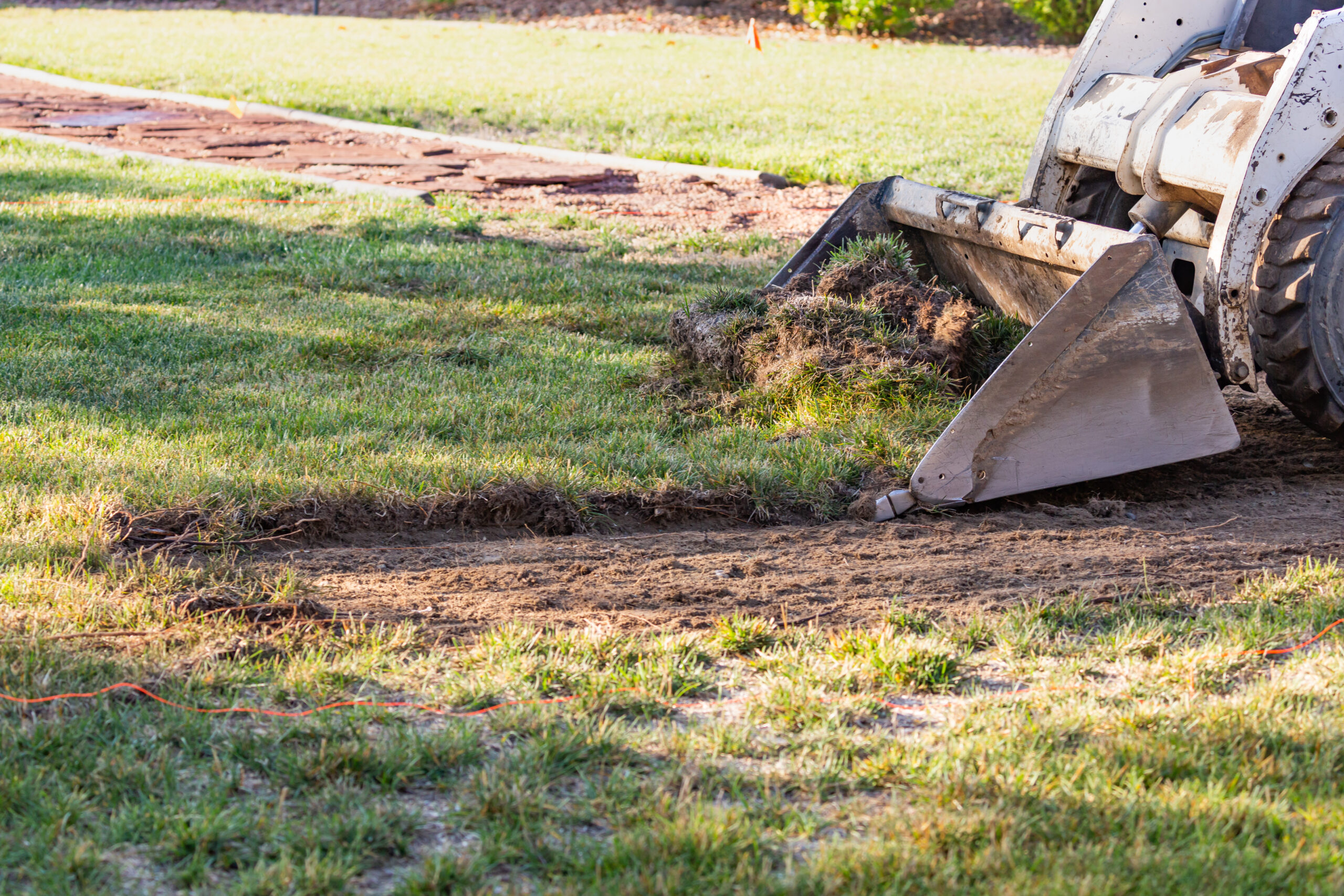
Protect Your Basement With Smart Yard Grading
Grading before sod installation is one of the simplest ways to protect your home from water problems. If the ground around your house tilts the wrong way, rain and melting snow can rush toward your foundation. That moisture can lead to damp walls, musty smells, peeling paint, mold, and even long term structural issues. The good news is you can spot early warning signs and address them before they turn into expensive repairs.
In Southeastern Wisconsin, freeze and thaw cycles, clay soils, and heavy spring rains make proper grading especially important. Whether you live in Walworth County or Jefferson County, a careful look at your yard can tell you if water is being directed into your basement instead of safely away from it. In this guide, you will learn the top 7 signs your grading is sending water into your basement, how to check your slope in minutes, and simple fixes you can start today. If you need expert help, Ziggy's Landscape offers finish grading, drainage solutions, and complete new lawn installations with seed or sod tailored to local conditions.
Why Grading Before Sod Installation Matters
Grading is the shape and slope of the soil surface around your home. A proper grade sends water away from your foundation so that runoff never gets a chance to seep inside. When you plan a new lawn, grading before sod installation is the best time to set things right. Once sod is down, it is harder to change the slope without tearing it back up.
Here is a simple rule most homes should follow. Aim for at least a 6 inch drop in the first 10 feet away from your foundation. Beyond that, maintain a gentle slope across the yard so water keeps moving toward a safe outlet. That outlet can be the street, a swale, a rain garden, or a properly routed drain. With grading before sod installation done correctly, your new lawn will not just look great. It will also protect your home, dry out faster after storms, and stay healthy with fewer disease problems.
7 Signs Your Grading Is Sending Water Into Your Basement
If you notice any of the signs below, your yard grade may be working against you. The more signs you see, the higher the risk of basement moisture and foundation damage. Catching these early helps you avoid major repairs later.
1. Standing Water Along the Foundation After Rain
Puddles that linger within a few feet of your home are a clear sign the ground slopes toward the foundation. Even small pools can cause trouble if they sit for hours or days. Water will find tiny gaps and hairline cracks and then work its way inside.
- Check during and right after a storm or snowmelt.
- Walk the perimeter and look for puddles, soft spots, or shiny wet soil pressed against the wall.
- If you see standing water, it usually means the grade is too flat or pitched the wrong way.
2. Damp Basement Corners or Dark Lines on the Floor
Moisture often shows up first in the lowest serviceable parts of your basement. Look at floor edges after a heavy rain. If you see dark damp lines where the floor meets the wall, water is getting in. This often traces back to surface grading that dumps runoff directly into the foundation wall joint.
- Use a flashlight to inspect behind boxes and shelving in corners.
- Note if dampness appears after storms then dries out later.
- Pair indoor clues with outdoor observations near the same wall.
3. White Chalky Residue or Peeling Paint on Basement Walls
A powdery white film on basement walls is called efflorescence. It forms when water carries dissolved salts through concrete or block and then evaporates, leaving a crusty deposit. Peeling or bubbling paint is another warning sign. Both mean moisture is pushing through the wall, often driven by poor exterior grading.
- Gently brush the white residue. If it returns after rain, moisture is still active.
- Check outside the same wall for sunken soil, negative slopes, or downspouts dumping nearby.
4. Soil Erosion, Mulch Washouts, or Exposed Roots Near the House
When storms send water racing along the surface, it lifts mulch, carves ruts, and exposes roots. These patterns reveal how water moves across your yard. If you see washouts running toward your foundation, your yard is likely channeling water the wrong way.
- Look for mulch piled against the house after a storm.
- Check for little gullies or silt lines that point toward the home.
- Watch for grass thinning or bare soil where water scours the surface.
5. A Soggy Lawn Strip That Parallels the Foundation
A constantly wet green strip next to the house can extend the full length of a wall. It often means the topsoil is lower at the house than a few feet out. The result is a trench effect that traps water next to the foundation. This is common after years of settling or when new hardscapes send water back toward the house.
- Probe the area with a screwdriver. If it sinks in easily there but not farther out, the grade may be sunken near the wall.
- Note any turf diseases or moss. Persistent wetness supports both.
6. Ice Bands Against the House During Winter
In Southeastern Wisconsin, winter weather can reveal grading problems. If you see ribbons of ice stuck to your foundation or icy aprons hugging the wall, meltwater is freezing in place because the ground is flat or tilted inward. When that ice melts, the water can seep into minor wall cracks.
- Check shady sides of the house where sun cannot melt snow quickly.
- Note icicles on siding just above the soil line, which hint at trapped runoff.
7. Downspout Splashback or Gutters Dumping Next to the Wall
Short or missing downspout extensions often send water right back toward your home. If you see splashing, eroded pits at the downspout end, or stains on the wall below the outlet, expect moisture pressure along that section of the foundation. Even with a good yard slope, concentrated roof water can overwhelm soil and seep inside.
- Make sure each downspout carries water at least 6 to 10 feet away.
- Direct outlets toward a swale or open area with a steady downslope.
How to Check Your Slope in 10 Minutes
You do not need special equipment to check your grading. A simple test can show if the first 10 feet around your home sends water away or back toward the foundation. If you plan to install a new lawn, confirm the results before starting any grading before sod installation.
- Grab a 10 foot straight board, a sturdy string, and a small line level or a smartphone level app.
- Place one end of the board at the foundation on bare soil. Do not rest it on mulch or loose debris.
- Hold the other end out into the yard. Level the board using your level tool.
- Measure the gap between the board and the soil at the yard end. A 6 inch gap shows a healthy fall.
- Repeat this test every 8 to 10 feet around the home, especially where you saw signs of moisture.
If your gap is less than 3 inches, or if the soil actually rises away from the house, grading improvements are needed. Plan to correct this as part of grading before sod installation so your new turf rests on a safe, well sloped base.
Simple Fixes You Can Try Now
Some drainage problems respond well to straightforward solutions. Try these steps while you evaluate the need for professional grading. If water still finds its way inside, call a pro like Ziggy's Landscape for a full assessment.
- Extend downspouts 6 to 10 feet with solid pipe or hinged extensions.
- Add splash blocks where quick runoff control is needed.
- Clean gutters so they do not overflow near the foundation.
- Top up low soil along the foundation with clean fill, then topsoil, while keeping soil at least 6 inches below siding.
- Shape a shallow swale to redirect water around the house and toward a safe outlet.
- Add 2 to 4 inches of mulch in beds and keep it pulled back a few inches from the wall to reduce moisture against the foundation.
- Adjust irrigation. Avoid watering within 3 to 5 feet of the foundation unless soils are very sandy.
When to Call a Professional in Walworth or Jefferson County
DIY fixes can help, but some yards need more precise work. Contact a professional like Ziggy's Landscape if you notice any of the following:
- Recurring basement seepage or repeated musty odors after storms.
- Clay heavy soils that do not drain and stay soggy for days.
- Settled ground around new construction where backfill has compacted unevenly.
- Steep lots where runoff concentrates along the foundation.
- Plans for a new lawn. Grading before sod installation is the right time to correct problems for the long term.
Ziggy's Landscape serves Southeast Wisconsin with finish grading, drainage improvements, seed and sod lawn installation, and ongoing care. They understand local soils, weather patterns, and code expectations, so you get a solution that actually works, not a quick cover up.
What Professional Grading Before Sod Installation Looks Like
A quality grading job shapes the soil to protect your foundation and prepare a durable, healthy lawn. When you hire Ziggy's Landscape, you can expect a clear plan and careful workmanship designed around your property.
- Site evaluation and measurements. The team checks slopes using laser or transit levels and notes low areas, hardscapes, and downspout locations.
- Drainage plan. They map where water should go and determine if a swale, berm, or drain tile is needed.
- Soil preparation. They add or redistribute soil to achieve a 6 inch fall in the first 10 feet from the home, while keeping siding clearance safe.
- Compaction and smoothing. Proper compaction prevents future settling that could reverse the slope. The surface is finished smooth for even turf growth.
- Topsoil installation. Quality screened topsoil is placed at the right depth to support sod or seed and to keep water moving across the surface.
- Integration with roof runoff. Downspouts and extensions are tied into the new grade or piping so roof water exits fast and far from the foundation.
- Sod or seed installation. With grading before sod installation complete, turf is laid or seeded for a clean, consistent finish.
- Watering and care plan. Clear guidance helps your new lawn root in without creating puddles or runoff toward the house.
Common Grading Before Sod Installation Mistakes to Avoid
Avoiding these errors can save you from hassle and basement moisture problems later. If in doubt, ask Ziggy's Landscape for advice before starting.
- Setting the grade too high against the house and burying siding or brick ledges.
- Forgetting to maintain slope around patios, sidewalks, and AC pads, which can send water back to the home.
- Compacting the topsoil layer too hard, causing surface water to pond instead of flow.
- Laying sod over bumps and dips. Sod hides problems for a season but water patterns will still show through.
- Skipping a drainage outlet. Water needs a destination, not just a downhill path.
- Pointing downspout extensions toward the neighbor or a low spot that creates new puddles.
- Ignoring driveway and walkway runoff that funnels toward the garage or basement stairwells.
Frequently Asked Questions
How much slope do I really need?
For most homes, aim for a 6 inch drop in the first 10 feet from the foundation, then a gentle grade beyond that. Heavier soils may need slightly more fall. Ziggy's Landscape can measure and recommend the right profile for your yard.
Can I fix my slope without removing existing sod?
Small low spots can be topdressed with soil and reseeded. Larger corrections usually require peeling back sod or replacing it after grading. If you plan a new lawn, complete grading before sod installation so your foundation stays protected.
Is a French drain a substitute for grading?
Subsurface drains can help, but they are not a replacement for proper surface grading. In most cases, you should correct the grade first, then add drains for stubborn wet zones. Ziggy's Landscape can determine the right mix for your site.
When is the best time to grade and install sod in Southeastern Wisconsin?
Spring and early fall are ideal. Soils are workable, temperatures are moderate, and new sod or seed establishes well. If you need immediate drainage help, grading can be done in summer, with care taken to protect new turf from heat.
How do gutters and downspouts fit into the plan?
They are the first line of defense. Clean gutters and extended downspouts prevent roof water from dumping near the foundation. Good grading then moves that water safely away. Both parts must work together for a dry basement.
What if my basement already has moisture damage?
Address the source outside first. Fix grading, extend downspouts, and manage runoff. Then consider interior repairs like sealing, re painting, or dehumidification. Ziggy's Landscape can handle the exterior grading while you coordinate any interior work.
Why Choose Ziggy's Landscape
Ziggy's Landscape is a professional landscaping company based in Southeastern Wisconsin. They serve Walworth and Jefferson counties with high quality, customized outdoor solutions. Their team specializes in finish grading for proper drainage, new lawn installation with seed and sod, regular lawn mowing, mulch application, seasonal clean ups in spring and fall, and snow removal in winter. Every project is tailored to your needs and budget to deliver long term value and a beautiful, functional yard.
When you hire Ziggy's Landscape for grading before sod installation, you get a partner focused on results. They combine local expertise, attentive service, and reliable scheduling. From first visit to final walkthrough, you will know what is happening and why. Their goal is simple. Keep water away from your home and create an outdoor space you are proud to enjoy.
A Simple Action Plan You Can Start Today
Water problems rarely improve on their own. Take these steps to protect your basement and prepare your yard for a healthy lawn.
- Walk your property after the next rain. Note puddles, washouts, and soggy strips.
- Check your basement for damp corners, white residue, or peeling paint.
- Test your slope with a straight board and level. Record where the grade fails.
- Install downspout extensions and clean gutters right away.
- Plan for grading before sod installation so your new lawn supports proper drainage.
- Contact Ziggy's Landscape for a professional assessment and a clear, written plan.
Final Thoughts and Next Steps
Your yard should protect your home, not threaten it. If you spot the signs above, there is a strong chance your grading is sending water into your basement. The fix often starts with careful grading before sod installation and simple changes to how water moves across your property. A well sloped yard dries faster, looks better, and keeps your basement safe.
Ready to solve drainage problems the right way? Reach out to Ziggy's Landscape for a friendly, no pressure consultation. Their team will assess your property, explain your options, and provide a tailored plan for finish grading, sod or seed installation, and ongoing care. Homeowners across Walworth and Jefferson counties trust Ziggy's Landscape to keep water moving away and to maintain beautiful, long lasting lawns. Take the first step today and protect your home for years to come.