
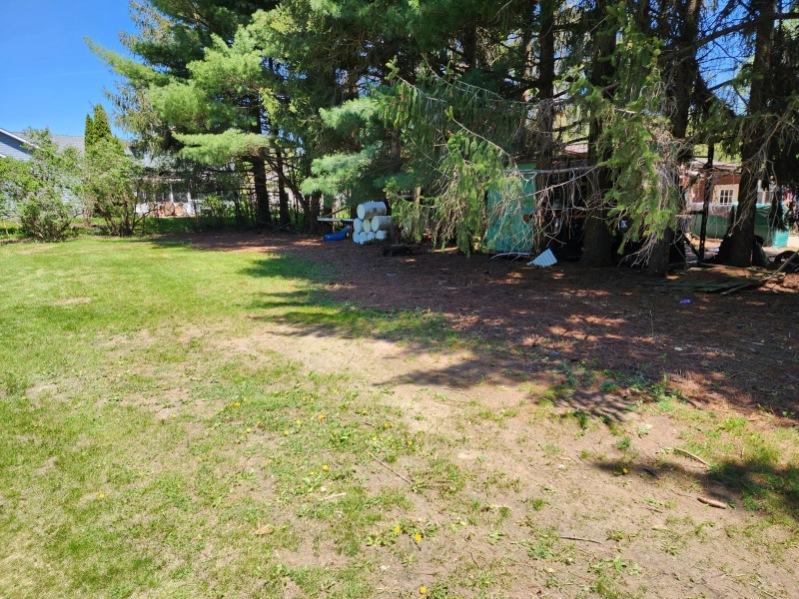
Is grass not growing in spots across your lawn while other areas look lush? You are not alone. Many homeowners in Southeastern Wisconsin see patchy grass that seems to ignore fertilizer, water, and time. The good news is there is always a reason a patch stays bare, and there is almost always a fix. In this guide, Ziggy’s Landscape explains the most common causes, how to diagnose your yard, and the steps that restore a thick, even lawn. Whether you need simple maintenance or a full reset with seed or sod, you can get results that last.
Why some areas thrive while others fail
Lawns are living systems. Soil, water, light, and traffic change from spot to spot, even within a small yard. When grass not growing in spots becomes a pattern, it is usually linked to three or more issues stacking together. Solving the problem starts with understanding the underlying cause in each area.
Uneven sunlight
Sunlight drives growth. Grass in full sun can outcompete weeds and recover from stress. Shaded turf under trees or behind fences grows slowly, thins out, and is more vulnerable to disease. If shade shifts during the day, some areas receive just enough light to survive while nearby patches do not. The wrong grass type for a shaded site makes the problem worse.
Soil compaction and foot traffic
Heavy foot traffic, kids play areas, pet runs, and mower patterns press soil particles together. Compaction blocks air and water from reaching roots. The result is thin turf, shallow roots, and bare spots that refuse to fill in. If your soil feels like concrete when dry or you struggle to push a screwdriver into it, compaction is likely a key reason for grass not growing in spots.
Poor drainage or drought stress
Water that sits after rain starves roots of oxygen and promotes disease. On the flip side, hot slopes and sandy patches dry out fast. Both extremes lead to weak turf that cannot recover. Low spots often suffer in spring, while exposed south facing slopes burn out in summer.
Soil quality and pH
Thin topsoil left after construction, buried debris, and imbalanced pH reduce nutrient availability. The wrong pH can lock up nutrients even in fertile soil. In our region, many lawns benefit from added organic matter and an occasional lime or sulfur application based on a soil test.
Tree roots and plant competition
Grass competes with trees and shrubs for light, water, and nutrients. Tree roots often sit close to the surface and pull moisture away fast. Mulch circles that expand with tree growth and proper pruning can make a large difference.
Pets, play, and patterns
Dog urine creates small yellow patches with green edges. Paths worn by people, pets, or mowers thin grass over time. Even where you habitually stop and turn a mower can show up as a bare circle. Changing habits and protecting delicate areas go a long way.
Pests and disease
Grubs, chinch bugs, and fungal diseases can create irregular brown or bare areas. Disease is more common where drainage is poor or mowing is too short. Pest damage often lifts up like a loose carpet because roots were eaten.
Winter and salt
In Southeastern Wisconsin, snow mold, voles, and road salt can leave scars that linger into spring. Piles of plowed snow keep turf wet too long. Salt from driveways and sidewalks injures grass near the edges and at the end of downspouts.
How to diagnose grass not growing in spots
Before you seed or sod, take a little time to diagnose. The right solution depends on the cause. The checklist below helps you figure out what is really going on in each patch.
- Watch the sun. Note how many hours of direct light each area receives in spring and again in summer.
- Do the screwdriver test. Push a screwdriver into the soil after a normal watering. If it is hard to insert, the area is compacted.
- Check drainage. After rain, does water pool for more than 24 hours? Dig a small hole, fill it with water, and time how long it takes to drain.
- Inspect the soil. Dig a small plug. Look for thatch thicker than half an inch, buried debris, or a thin layer of topsoil over hard subsoil.
- Look for signs of pests or disease. Gently tug at brown patches. If the grass lifts easily with no roots, suspect grubs. For disease, look for spots on blades or a gray mat from snow mold.
- Note traffic and pet patterns. Mark paths that people or pets follow. Look for wear at gates, play equipment, and mower turn zones.
- Test soil pH and nutrients. A lab test will guide lime or sulfur use and fertilizer choices. Many local extensions offer affordable testing.
- Consider the grass type. Fine fescues handle shade. Tall fescue tolerates drought and traffic. Kentucky bluegrass spreads to fill gaps but needs sun.
Quick fixes you can start today
If you see grass not growing in spots and want momentum now, try these quick wins. They will not solve every cause, but they set you up for long term success.
- Raise your mowing height to 3 to 4 inches to shade soil and grow deeper roots.
- Water deeply and infrequently. Aim for about 1 inch per week, applied in the early morning.
- Reroute foot traffic with a stepping stone, a small path, or a temporary barrier.
- Flush pet spots with water as soon as possible and apply a light topdressing of compost.
- Rake out dead material in small bare areas, loosen the top inch of soil, seed, and keep moist.
- Expand mulch rings around trees to reduce competition and mowing damage to roots.
- Sharpen mower blades. A clean cut reduces stress and disease risk.
Fixes for common causes of bare spots
Shade solutions
For sites with less than four hours of direct light, switch to a shade tolerant seed blend. Fine fescue mixes perform best in consistent shade. Thin lower branches to allow dappled light, and avoid heavy fertilization that pushes weak, leggy growth. In deep shade where grass struggles year after year, consider a landscape bed with mulch or groundcovers. Ziggy’s Landscape can help you redesign stubborn areas that refuse grass for a low maintenance, attractive solution.
Compaction relief
Core aeration opens channels for air, water, and roots. The best time is early fall for cool season lawns. Follow aeration with a thin layer of screened compost to add organic matter and improve soil structure. In high use areas, overseed with a tough turf type tall fescue blend. If traffic is constant, add stepping stones or a path to protect the lawn.
Drainage and grading
Standing water is a top reason for grass not growing in spots. Regrade subtle low areas to promote runoff and install a French drain or catch basin where needed. Avoid piling snow where it will melt and saturate the same area every spring. Ziggy’s Landscape provides finish grading for proper drainage in Walworth and Jefferson counties, along with new lawn installation using seed or sod to give you a clean start.
Soil improvement and pH balance
Add 0.25 to 0.5 inch of compost as a topdressing once or twice a year to feed soil life and improve moisture holding. Only add lime or sulfur after a soil test. Many lawns benefit from a slow release fertilizer in spring and fall, but avoid heavy nitrogen in the heat of summer. If your topsoil layer is thin over rubble or clay, remove debris, add quality topsoil, and reset the area with seed or sod.
Slopes and erosion
Slopes dry fast and erode during storms. Use turf type tall fescue for better drought tolerance or install sod for instant coverage. On steeper banks, apply erosion control blankets after seeding. Direct downspouts so water does not cut channels across the lawn.
Pests and disease management
Confirm pests before treatment. For grubs, monitor in late summer and treat only if counts are high. Improve drainage and avoid evening watering to reduce fungal disease. Mow at the right height and remove no more than one third of the blade at a time. If disease persists, consult a professional for targeted solutions.
Winter and salt damage repair
Rake matted areas lightly in spring to break up snow mold and improve air flow. Avoid piling snow on the same turf area every year. Where salt causes injury, flush the soil with water in spring and apply compost to boost recovery. Consider a less corrosive deicer on walkways. Ziggy’s Landscape also offers snow removal that considers lawn health when planning pile locations.
Pet and play wear
Create a designated dog run with resilient turf type tall fescue or a mulch path that is easy to clean. Train pets to use one area and flush urine spots with water. For play zones, rotate equipment and overseed each fall. Place stepping stones at gates and along narrow passes to protect the turf.
Best grass types for Southeastern Wisconsin
Choosing the right grass sets your lawn up for success. In our climate, cool season grasses perform best. Each type has strengths that help prevent grass not growing in spots.
- Kentucky bluegrass spreads by rhizomes, fills small gaps, and looks dense in sun.
- Perennial ryegrass germinates fast and helps stabilize new seedings or repairs.
- Turf type tall fescue tolerates heat, drought, and traffic with deep roots.
- Fine fescues excel in shade and require less fertilizer and water.
Prime seeding windows are mid August to mid September for best rooting before winter, and mid spring after soil warms. Sod can be installed in most months when the ground is workable, providing instant coverage and erosion control. Ziggy’s Landscape installs seed and sod and will match blends to your site conditions.
Step by step: Repair a small bare patch
Use this simple process to turn a thin area into a green, even swath. It works for spots up to a few square feet. For larger areas or repeated failure, consider a full renovation.
- Rake out dead grass and thatch. Remove rocks and debris.
- Loosen the top 1 to 2 inches of soil with a hand cultivator.
- Mix in a half inch of compost for organic matter and moisture retention.
- Choose the right seed blend for sun or shade in your yard.
- Spread seed evenly and lightly rake to cover with about a quarter inch of soil.
- Gently tamp or roll to ensure good seed to soil contact.
- Water lightly 2 to 3 times per day to keep the surface moist, not soggy, for 2 to 3 weeks.
- Once seedlings reach 3 inches, reduce watering to deeper, less frequent cycles.
- Make the first mow at about 3.5 inches with a sharp blade.
Watering and mowing that prevent bare spots
Consistent care helps grass outcompete weeds and recover from stress. Good habits alone can eliminate many cases of grass not growing in spots.
- Water early in the morning. Target 1 inch per week for established lawns, measured with a rain gauge or tuna can.
- In summer heat, split watering into two deep sessions per week to combat evaporation and runoff.
- Mow at 3 to 4 inches. Taller grass shades soil, reduces weeds, and builds deeper roots.
- Cut with sharp blades and never remove more than one third of the blade at a time.
- Leave clippings on the lawn unless they clump. They return nutrients and improve soil over time.
When to choose seed vs sod
Seed is cost effective and offers the most variety for sun and shade blends. It needs patience and careful watering during establishment. Sod delivers an instant lawn and reduces erosion but costs more up front and still requires consistent watering while roots knit into the soil. If you want a fast reset after construction or to fix a slope before heavy rains, sod is a strong choice. Ziggy’s Landscape installs both seed and sod and can recommend the best option for your site and budget.
Seasonal tips for Southeastern Wisconsin
Our weather swings across the seasons, and timing matters for growth and recovery. Use these local tips to stay ahead of patchy areas.
- Spring: Rake winter debris, repair salt damage, and spot seed after soil warms. Avoid pre emergent weed control in areas you plan to seed.
- Early summer: Raise mowing height, monitor for grubs, and water deeply in dry spells.
- Late summer to early fall: Core aerate, overseed, and topdress with compost. This is the prime window for major repairs.
- Fall: Keep leaves off the lawn to prevent smothering. Fertilize with a slow release product to strengthen roots for winter.
- Winter: Avoid piling snow in the same place and keep foot traffic off frozen, brittle turf.
Common questions about patchy lawns
Why does grass grow along edges but not the center?
Edges often receive reflected heat and extra water from pavement runoff, while the center might be compacted or shaded. Aeration, targeted watering, and adjusting the grass type in the center usually close the gap.
Why does seed fail to germinate in bare spots?
Poor seed to soil contact, dry topsoil, and heavy thatch are common reasons. Choose fresh, region appropriate seed, loosen soil, cover lightly, and keep the surface moist until germination.
Can I seed in midsummer?
You can, but results are harder. Heat and drought stress seedlings. If you must seed in summer, use a tall fescue blend, add compost, and water diligently. For larger projects, wait for late summer and early fall.
Do I need new topsoil?
If your soil is shallow, full of debris, or drains poorly, new topsoil may be the fastest path to success. Spreading quality topsoil 2 to 4 inches deep and resetting with seed or sod often solves chronic cases of grass not growing in spots.
Is pre emergent safe when I am seeding?
Most pre emergent herbicides stop turf grass seeds from sprouting. Do not use them where you plan to seed. If weeds are a concern, seed first and consider a post emergent product only after new grass is well established.
Why work with Ziggy’s Landscape
Restoring a patchy lawn is part science and part craft. Ziggy’s Landscape brings regional experience in Walworth and Jefferson counties to every yard. Our team offers finish grading for proper drainage, new lawn installation with seed or sod, regular lawn mowing, mulch application, spring and fall clean ups, and snow removal that protects your turf. We tailor solutions to your needs and budget, and we aim for clear communication from the first visit through final walkthrough.
If you are tired of grass not growing in spots, a custom plan makes a real difference. We can test the soil, identify site specific issues, and combine services like aeration, topdressing, overseeding, and targeted grading. Many clients see visible improvements in weeks and lasting results through the season.
Take the next step
Patchy grass does not have to be permanent. Start with a simple diagnosis, apply the right fixes for each area, and adjust care habits so your lawn can thrive. When you want professional help, Ziggy’s Landscape is ready with local expertise and quality work. We serve homeowners and businesses across Southeastern Wisconsin, including Walworth and Jefferson counties. Contact us to schedule a consultation and turn bare patches into a thick, healthy lawn you can enjoy all season long.