
Landscape lighting ideas for paths, steps & winter safety
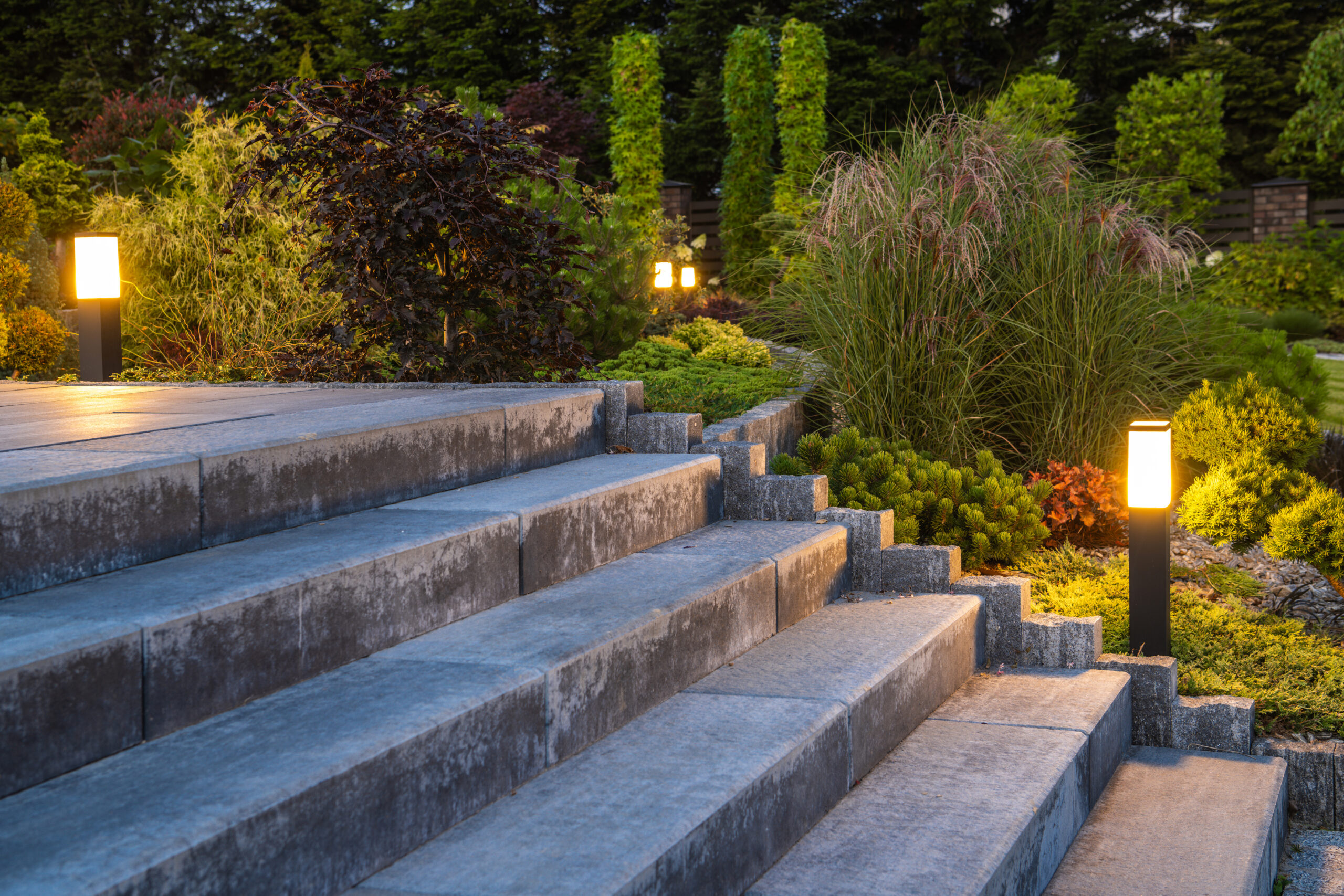
Looking for landscape lighting ideas that make your yard safer, brighter, and more inviting year-round? You are in the right place. This guide shows how to light paths and steps so family and guests can move with confidence, especially during Wisconsin winters. You will learn about fixture types, layouts, spacing, brightness, color temperature, and winter-ready tips. Whether you plan to DIY or hire a pro, Ziggy’s Landscape can help you create a smart, beautiful plan that fits your property and budget.
Meta description: Landscape lighting ideas to brighten paths, steps, and boost winter safety. Explore fixtures, tips, and layouts. Get inspired and plan your glow now. Get started.
Why lighting matters for paths and steps
Well-planned path and step lighting adds safety, curb appeal, and comfort. It guides your stride, reduces trips and falls, and highlights your best landscape features. In Southeastern Wisconsin, dependable lighting also supports winter routines like shoveling, salting, snow blowing, and late-afternoon arrivals when the sun sets early.
Thoughtful fixtures and placement help you see surface changes, edges, and hazards while preventing harsh glare. When done right, lighting blends into your landscape during the day and quietly enhances it at night. With LED technology and low-voltage systems, you can get efficient, durable results that perform in snow, ice, and freeze-thaw cycles.
Core design principles for effective landscape lighting
Balance safety and aesthetics
Light the ground where feet land, then layer in accents to draw the eye. Aim for consistent, gentle illumination that defines edges and textures instead of bright hotspots. Think of lighting as a series of soft pools that overlap to create a clear path.
Control glare
Shield the light source and direct beams downward or across surfaces. Use fixtures with hoods, louvers, or frosted lenses. Avoid placing lights at eye level where they can create discomfort and reduce visibility, especially on shiny ice or wet pavers.
Choose the right color temperature
Warmer white light in the 2700K to 3000K range feels welcoming and reads well against snow. Cooler light can look harsh in winter and may increase glare. A high color rendering index, around 80 CRI or higher, helps you distinguish ice, debris, and changes in surface material.
Use layers and focal points
Combine path lights with step lights, soft wall washing, and subtle downlighting to create depth. Highlight transitions, address numbers, and key turns so navigation feels intuitive.
Plan for controls and efficiency
Choose LED fixtures for long life and low energy use. A 12-volt low-voltage system is standard for landscape lighting. Pair your system with a transformer that supports timers, photocells, or smart controls. Divide lights into zones so you can dim or schedule areas independently for energy savings and ambience.
Landscape lighting ideas for paths
Classic staggered path lights
This timeless approach uses low, shielded fixtures installed off the edge of the walkway. Stagger lights on alternating sides so pools of light overlap without creating a runway effect. For most paths, spacing of 10 to 15 feet works well, depending on fixture beam angle and lumen output. Select fixtures with a glare cap to keep light directed down and away from eyes.
Low-profile recessed markers
Recessed paver lights and in-ground markers are great for modern designs or narrow walkways. They cast light up and out across the surface, helping define edges. Choose models with anti-glare diffusers. In snowy climates, position them slightly above grade or select fixtures with domed lenses that shed snow more easily.
Soft downlighting from trees or trellises
Downlights mounted on a branch, pergola, or trellis mimic natural moonlight and deliver even coverage. Aim fixtures so light grazes the path, not eyes. This technique reduces shadows and can be a strong option where ground fixtures might be damaged by shovels or snow blowers.
Integrated border and hardscape lighting
Hardscape cap lights installed under the lips of seat walls, curbs, or stone borders wash light across pathways without visible bulbs. This creates a sleek, contemporary look and protects fixtures from winter wear. The result is refined and unobtrusive during daytime.
Landscape lighting ideas for steps and stairs
Riser-mounted step lights
Install lights directly into the riser for even, shadow-free coverage across each tread. Use shielded, louvered styles that direct light downward. Space one fixture per step on wide stairs, or one every two steps on narrower runs, depending on output and lens type.
Under-tread LED strips
Slim LED strips tucked beneath stair nosing emit a clean line of light that clearly defines each step edge. Look for weather-rated, dimmable strips with a frosted lens to avoid harsh dots of light. This is especially effective on composite or metal stairs where mounting is straightforward.
Side-wall sconces and bollards
Where riser lighting is not practical, consider low-glare wall sconces or short bollards set just off the stairs. Position them to cast light across the treads without shining into eyes. Bollards can double as design accents near patios or entry steps.
Handrail-integrated lighting
Handrail lighting delivers light directly to the walking surface and provides a clear visual cue for hand placement. It is a premium option that is comfortable for older adults and children, and it works well on long or steep exterior stairs.
Winter safety lighting tips for Wisconsin properties
Keep paths visible after snowfall
Mount fixtures high enough to stay above typical snow accumulation. Use downlighting or taller bollards for areas that drift heavily. Aim beams to graze surfaces, which helps reveal texture and depth even when surfaces are covered with a light layer of snow.
Combat glare on ice
Choose warmer light, shielded fixtures, and diffuse lenses. Position lights so they bounce off textured surfaces rather than directly into the line of sight. Avoid placing bright fixtures at the top of stairs where eyes adjust poorly to the contrast.
Protect lights from shovels and plows
Set path fixtures back from the walk edge by 8 to 12 inches, or use recessed and hardscape lights where equipment passes. Secure wiring in conduit at crossing points. Use sturdy, corrosion-resistant materials that handle road salt.
Automate for early sunsets
Use photocells and timers so lights turn on at dusk and shut off after bedtime. Smart controls let you adjust schedules for changing daylight and weather. Motion sensors can trigger brighter light at entries or steps during storms.
Fixture types and when to use them
- Path lights: Best for defining walkways and beds. Look for shielded tops and warm white LEDs.
- Bollards: Taller, architectural fixtures that provide broader beams for wider paths and drive entries.
- Step lights: Louvered or frosted lenses mounted in risers for safe stair navigation.
- Deck and rail lights: Mount under railings or on posts to illuminate steps and landings.
- Hardscape cap lights: Tuck under caps on seat walls, retaining walls, or stone borders to wash light onto paths.
- In-ground well lights: Flush fixtures for uplighting trees and walls. Use with caution near snow removal areas.
- Spotlights and floodlights: Accent focal points and provide area lighting near entries or turnarounds.
- String or rope lights: Add soft ambience along fences or pergolas. Choose outdoor-rated products.
- Solar fixtures: Easy to install and good for remote areas. Performance varies in winter, so hardwired low-voltage options are more reliable for primary paths and steps.
How to plan your layout
- Assess hazards: Walk your paths and steps at night. Mark dark corners, uneven spots, and slippery zones.
- Map the route: Sketch your walkways, stairs, landings, and entries. Note trees, walls, and power access.
- Select fixture types: Choose a mix that supports safety first, then add accents for character.
- Decide brightness: Path lights typically range from 100 to 200 lumens. Step lights often run 30 to 100 lumens. Bollards may be 200 to 400 lumens. Floods can range from 700 to 1500 lumens depending on distance and beam angle.
- Set spacing: Start with 10 to 15 feet between path lights, 8 to 12 feet for bollards, and one step light per tread on wide stairs. Adjust after nighttime testing.
- Pick color temperature: Use 2700K to 3000K for warm, clear visibility in snow.
- Plan power: Choose a 12-volt transformer sized for total wattage with extra capacity for future expansion. Use weatherproof junctions and burial-rated cable.
- Add controls: Timers, photocells, and smart hubs simplify schedules and seasonal changes.
- Test at night: Temporarily place fixtures and adjust angles before permanent installation.
- Install and protect: Bury cable at recommended depth, avoid irrigation lines, and shield fixtures from snow equipment paths.
Common mistakes to avoid
- Overlighting paths so they look like an airport runway
- Using cool, blue light that creates winter glare
- Placing fixtures too close to edges where shovels will hit
- Skipping shielding and causing eye-level glare
- Ignoring transformer sizing and voltage drop on long runs
- Forgetting maintenance access for bulbs, lenses, and wiring
- Neglecting local conditions like drifting snow and salt exposure
Budgeting and phasing your project
Quality outdoor lighting is an investment in safety, comfort, and curb appeal. A typical low-voltage system can be built in phases, starting with the most critical areas. Many homeowners begin with the main front walk, entry steps, and driveway turn-in, then add garden paths and patio steps later. Choose durable, powder-coated or solid metal fixtures with sealed LEDs for longevity in Wisconsin weather.
To control costs, use a transformer that is slightly larger than your first phase. This leaves room to add fixtures without replacing the core power unit. Opt for consistent fixture families for a cohesive look even as you expand.
DIY vs professional installation
Handy homeowners can install simple low-voltage systems, especially on small paths with straightforward access to power. However, a professional brings design expertise, accurate photometrics, and clean wiring that holds up in winter. Pros also manage voltage drop, circuit balancing, and future expansion planning.
Ziggy’s Landscape serves Walworth and Jefferson counties with balanced designs and reliable installations. Because the team also handles lawn care, finish grading, and snow removal, they understand how fixtures perform across seasons. This practical insight helps protect fixtures from damage and ensures your system works well from summer evenings to icy January mornings.
Maintenance checklist for year-round performance
- Wipe lenses quarterly to remove dirt and hard water spots
- Trim plants that block beams or create glare
- Check mounting stakes and hardware after freeze-thaw cycles
- Inspect wires at transitions and edges for nicks
- Re-aim lights after storms or landscaping work
- Test timers and photocells each season as daylight shifts
- Before winter, elevate or shield fixtures in heavy snow zones
- After winter, clear salt residue and debris from lenses and housings
Frequently asked questions
How bright should path and step lights be?
Paths usually need 100 to 200 lumens per fixture, while step lights often use 30 to 100 lumens to avoid glare. It is better to space lower-output fixtures more closely than to use a few very bright lights.
What color temperature is best in winter?
Use warm to neutral white, around 2700K to 3000K. It is comfortable for eyes, reduces glare on snow and ice, and complements natural materials like stone and wood.
Can solar lights handle Wisconsin winters?
Solar lights can add ambience, but their output drops during short, cloudy days. For safety on primary paths and stairs, hardwired low-voltage systems are more reliable and consistent.
How far apart should I place path lights?
Start with 10 to 15 feet. Adjust based on fixture beam spread, height, and desired brightness. Always test at night before final placement.
Do I need a special transformer?
Use a weather-rated 12-volt transformer sized for your total wattage plus future expansion. Quality units include timer and photocell options or can connect to smart controls.
What fixtures hold up best to snow and salt?
Choose fixtures made from powder-coated aluminum, brass, or stainless steel with sealed LEDs and gaskets. Keep them back from edges where shovels and plows pass, or integrate lighting into hardscape features.
Can lighting improve home security?
Yes. A well-lit property reduces hiding spots and improves visibility. Use motion-activated lights near entries and set a dusk-to-dawn schedule along primary paths.
Why choose Ziggy’s Landscape
Ziggy’s Landscape is a trusted local company based in Southeastern Wisconsin, serving homeowners and businesses in Walworth and Jefferson counties. The team designs and installs landscape lighting that blends beauty, safety, and efficiency. Because Ziggy’s Landscape also offers lawn mowing, new lawn installation, mulch application, finish grading, seasonal clean-ups, and winter snow removal, they understand how your landscape changes throughout the year. This full-season perspective helps them recommend fixtures, placements, and controls that work in real life, not just on paper.
Expect a friendly, professional approach, clear communication, and options tailored to your goals and budget. Whether you are adding a few step lights for safety or planning a complete lighting system for a new outdoor space, Ziggy’s Landscape will craft a plan that makes your property shine.
Get started with your lighting plan
Ready to bring these landscape lighting ideas to life? Walk your property at dusk and note dark spots, tricky steps, and areas where you want a welcoming glow. Gather a few inspiration photos and a rough sketch of your layout. Then reach out to Ziggy’s Landscape for a consultation. They will help you select fixtures, design an efficient low-voltage system, and install it with care so it performs through every season, including the heart of Wisconsin winter. Your paths and steps can look beautiful and feel safe all year long. Let Ziggy’s Landscape show you how.