
If Your Lawn Fades Fast Every Summer, You Are Not Alone
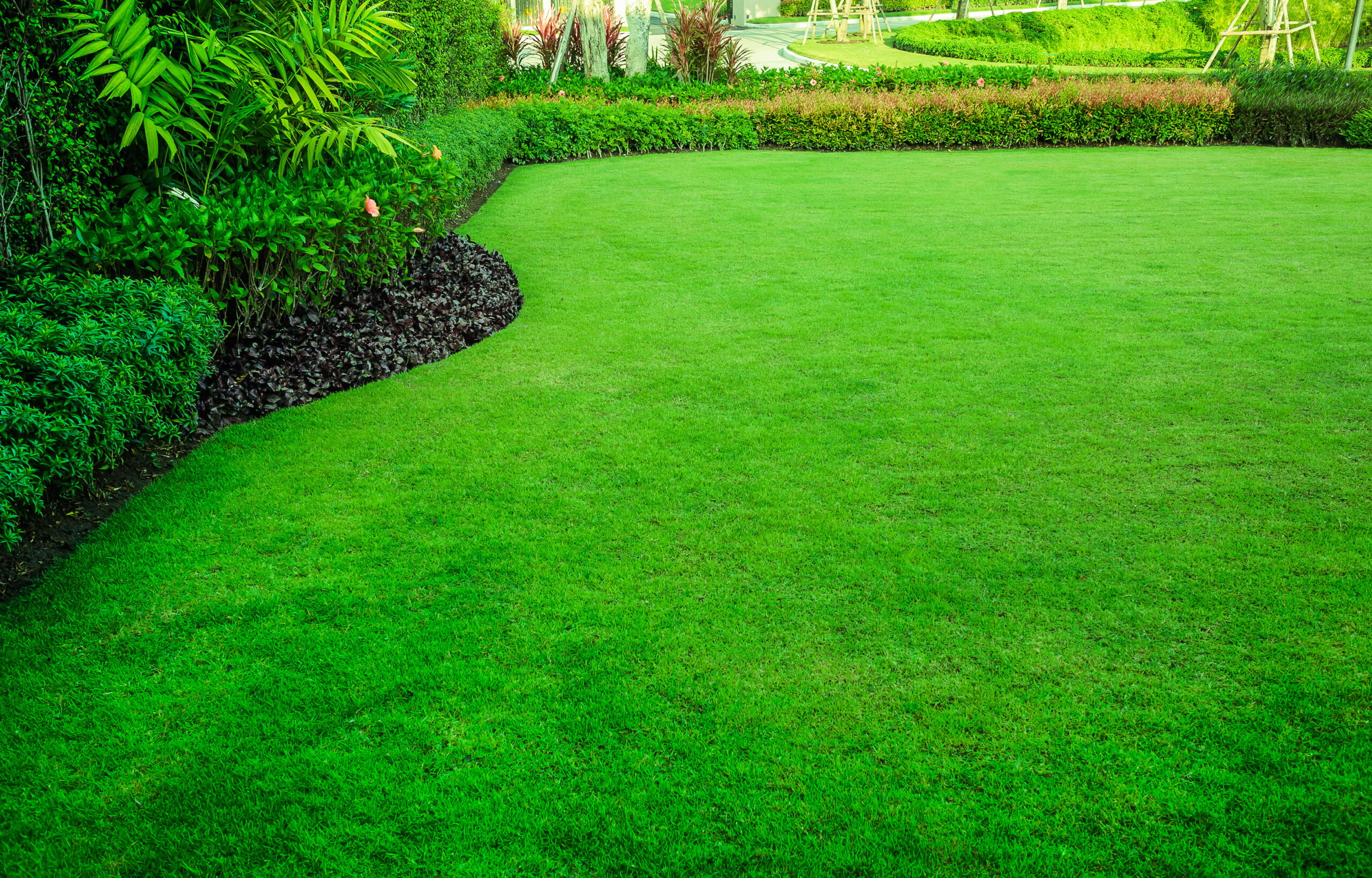
Every July in Southeastern Wisconsin, the same thing happens. Some yards in Elkhorn stay lush and green while others turn thin and brown. If you are wondering why your grass gives up when the heat arrives, the answer is almost never just one thing. It is a mix of grass type, watering habits, mowing choices, soil health, timing, and a few invisible enemies like grubs or fungus. The good news is that each problem has a fix. With a simple plan and the right support, you can get a lawn that looks great from Memorial Day through Labor Day.
At Ziggy’s Landscape, we help homeowners in Walworth and Jefferson counties keep cool-season lawns healthy all year. This guide explains why lawns fail by mid-summer, what your neighbors might be doing right, and how to build a plan that works in our climate. If you are ready for local help, book a free yard consult and we will tailor a plan for your property.
The Real Reasons Lawns Fail by July in Elkhorn
Cool-Season Grass Gets Heat Stressed
Most lawns in Elkhorn are cool-season grasses like Kentucky bluegrass, perennial ryegrass, and fescues. These grasses love spring and fall. They slow down when soil temperatures rise and rainfall drops. By July, we often see hot afternoons, cool nights, and periods of low rain. Grass goes semi dormant to survive. The difference between a green lawn and a crispy one is resilience. Healthy roots, proper mowing height, and steady moisture help grass ride out heat. Thin, shallow-rooted lawns fade fast.
Watering Mistakes Stack Up
Watering too little, too often, or at the wrong time is a major reason lawns decline. A quick daily sprinkle keeps the top inch moist and roots stay shallow. Then July heat arrives and those shallow roots dry out. Watering late in the evening can also invite disease, especially when nights stay humid. The best practice in our area is deep and infrequent watering, early in the morning, with a goal of about 1 to 1.5 inches per week including rainfall.
Mowing Too Short and With Dull Blades
Scalp the lawn and you set it up for failure. Short grass has less leaf surface to make food, roots shrink, and soil heats up faster. Dull blades tear leaf tips which leads to brown edges and stress. In summer, aim for a mowing height of 3 to 3.5 inches for bluegrass and ryegrass, and even 4 inches for fescue during heat waves. Keep mower blades sharp and follow the one third rule. Do not remove more than one third of the leaf blade in a single cut.
Compaction and Poor Soil Health
Foot traffic, kids, pets, and equipment compact soil over time. Compacted soil squeezes out air and water spaces that roots need. It also causes water to run off instead of soaking in. Many Elkhorn lawns sit on heavy soil with low organic matter. Without air and organic content, roots stay shallow and stress quickly in heat. Aeration and topdressing are strong fixes.
Thatch and Shallow Roots
A thin thatch layer is normal. A thick spongy layer blocks water and nutrients, encourages disease, and keeps roots close to the surface. If your lawn dries out fast even after watering, excessive thatch may be part of the problem. Power raking or dethatching at the right time can help. Aeration also breaks through thatch and allows roots to grow deeper.
Crabgrass and Summer Weeds
Crabgrass thrives in hot bare spots near driveways, walkways, and sun-scorched areas. If pre-emergent weed control goes down too late or not at all, crabgrass fills in by July and makes the lawn look patchy. Weeds steal moisture and nutrients from grass that already struggles in heat.
Grubs and Disease
White grubs chew roots and cause soft, spongy patches that lift like a carpet. Skunks or raccoons tearing up the lawn at night is another clue. Fungal issues like dollar spot, red thread, or brown patch appear when we have warm days, humid nights, and extra thatch. These problems weaken grass during the toughest months.
Shade, Slopes, and Microclimates
Shaded yards need different seed blends and less nitrogen. Slopes dry out faster and need focused watering. Turf next to concrete gets hotter than lawn under trees. Choosing the same care across very different zones sets some areas up to fail by July.
What Perfect-Looking Yards Get Right
They Follow a Simple, Consistent Routine
Healthy lawns are not complicated. They get consistent mowing at the right height, deep watering, timely fertilizing, and routine care like aeration. The routine protects the lawn before stress hits.
They Water With Purpose
Strong lawns get deep roots. To build those roots, homeowners water deeply once or twice a week, early in the morning, and adjust based on rain. Smart irrigation or simple rain gauges help. Even coverage matters. Dry corners and edges are often why parts of a yard bleach out by midsummer.
They Keep Blades High and Sharp
Taller grass shades the soil, keeps roots cooler, and blocks weeds. Sharp blades make clean cuts and reduce stress. Neighbors with great turf usually raise their mower height in summer and sharpen blades at least twice a season.
They Feed the Lawn Before It Struggles
Slow-release fertilizer in spring and early summer supports root growth. A mid to late spring application, a light feed in early summer, and a strong fall feeding help grass store energy. Overfeeding in summer makes lawns more prone to disease. Underfeeding leaves grass weak when heat arrives.
They Aerate and Overseed
Core aeration opens compacted soil and allows oxygen, water, and nutrients to reach roots. Overseeding fills thin areas with fresh, improved varieties suited to our region. This combo prevents weeds and builds resilience for July.
They Fix Drainage and Coverage Gaps
Strong lawns usually have good drainage and even irrigation coverage. Simple changes like adjusting sprinkler heads, adding a small rain garden, or grading high spots can transform how a lawn holds up in summer heat.
A Step-by-Step Plan to Save Your Lawn Before July
- Assess the site. Walk the yard and note sunny and shady zones, slopes, standing water, pet routes, and bare patches. Check for signs of grubs or disease.
- Test your soil. A basic soil test reveals pH and nutrient levels. In Southeastern Wisconsin, soil often leans neutral to slightly alkaline. Correcting pH and nutrient balance makes every other step more effective.
- Set your summer mowing height. Raise the mower to 3 to 3.5 inches for most lawns. Keep blades sharp and follow the one third rule to reduce stress.
- Water deeply and early. Give the lawn 1 to 1.5 inches of water per week including rainfall. Water between 4 a.m. and 9 a.m. Adjust run times to reduce runoff.
- Aerate compacted areas. Core aeration in spring or early fall improves root growth and water absorption. Consider topdressing with a thin layer of compost to boost organic matter.
- Overseed with the right mix. For sunnier areas, use Kentucky bluegrass and perennial ryegrass. For shade, blend in fine fescue. Overseed after aeration for best seed-to-soil contact.
- Feed with purpose. Use a slow-release fertilizer in spring and early summer. Save your heaviest feeding for fall to build reserves for next summer.
- Control weeds on time. Apply pre-emergent crabgrass control in spring when soil temperatures reach the mid 50s. Spot treat broadleaf weeds as needed.
- Watch for pests and disease. Lift suspect patches to check for grubs. If you see chewing or tunneling, schedule treatment. For fungal issues, improve airflow and watering timing, and treat when needed.
- Fine-tune irrigation coverage. Check all zones for even coverage and fix clogged or misaligned heads. Pay extra attention to edges and slopes.
Seasonal Calendar for Lawn Care Elkhorn WI
Early Spring
- Soil test and plan fertilizer schedule.
- Spring clean-up to remove sticks, leaves, and winter debris.
- First mow at a moderate height.
- Apply pre-emergent weed control on time.
- Core aeration if soil is compacted.
Late Spring to Early Summer
- Slow-release fertilizer to support steady growth.
- Overseed thin spots after aeration if needed.
- Set mowing height to summer setting.
- Begin deep, infrequent watering as rain decreases.
Mid to Late Summer
- Maintain mowing height at 3 to 3.5 inches or higher.
- Water early morning, 1 to 1.5 inches per week.
- Monitor for grubs and fungal disease.
- Spot treat weeds. Avoid heavy fertilizing during peak heat.
Early Fall
- Core aeration and overseeding for recovery and thickening.
- Balanced fertilizer to rebuild roots.
- Repair bare areas with seed or sod.
Late Fall
- Final mow a bit shorter to prevent matting.
- Leaf clean-up to reduce disease risk.
- Winterize irrigation if needed.
Winter
- Snow removal that protects turf. Avoid piling heavy snow on the same spots.
- Plan next year’s program with Ziggy’s Landscape.
Common Mistakes That Make Lawns Fail in July
- Scalping to save time. Short mowing adds heat stress and weak roots.
- Frequent shallow watering. It trains roots to stay near the surface.
- Ignoring soil health. Compaction and low organic matter cut drought resistance.
- Skipping pre-emergent. Crabgrass takes over hot bare spots.
- Fertilizing at the wrong time. Heavy summer feedings can trigger disease.
- Leaving dull mower blades. Torn leaf tips brown out fast.
- Using the wrong seed for shade or high traffic areas.
- Waiting until July to address problems. Spring preparation prevents summer decline.
DIY vs Hiring a Pro for Lawn Care Elkhorn WI
When DIY Makes Sense
If you enjoy yard work, have time to water correctly, and your lawn has only mild issues, DIY can work well. Regular mowing, basic fertilizer, and spot treatments can carry you far. Use a soil test to choose the right products and avoid guesswork.
When to Call Ziggy’s Landscape
Call in the pros when you face multiple issues at once or want guaranteed results. If your lawn is compacted, thin, and weedy, or if you see grubs or fungus, a professional plan saves time and money. Ziggy’s Landscape brings local expertise, proper equipment, and a seasonal plan built for our climate. We can diagnose root causes and fix them in the right order so you see fast improvement that lasts into summer and beyond.
What Ziggy’s Landscape Can Do for Your Yard
Ziggy’s Landscape is a local team based in Southeastern Wisconsin. We serve homeowners and businesses throughout Walworth and Jefferson counties. Our services are designed to get lawns through July in great shape and to keep landscapes looking clean all year.
- Regular lawn mowing with proper height and sharp blades.
- New lawn installation with seed or sod, matched to sun and shade conditions.
- Finish grading to correct drainage that causes dry or soggy spots.
- Mulch installation to protect beds and improve curb appeal.
- Core aeration and overseeding to relieve compaction and thicken turf.
- Seasonal clean-ups in spring and fall to reduce disease pressure.
- Snow removal in winter to protect your property all season.
We customize every plan to your yard, your budget, and your goals. Whether you want a low-maintenance lawn or a showpiece that neighbors admire, we can help. If you are searching for lawn care Elkhorn WI, our team knows the local conditions that shape lawn success.
Frequently Asked Questions About Summer Lawn Care
How often should I water in summer?
Water deeply one to two times per week for a total of 1 to 1.5 inches including rainfall. Water early in the morning so the lawn dries through the day and disease risk stays low. Adjust for slopes, sun exposure, and soil type.
What mowing height is best in July?
Keep the mower at 3 to 3.5 inches for bluegrass and ryegrass. Go up to 4 inches for tall fescue during hot, dry weeks. Taller grass shades the soil and supports deeper roots.
Can I revive a brown lawn without replacing it?
Often yes. If the lawn is dormant from heat, it can bounce back with deep watering and cooler weather. If grubs or disease caused the damage, you will need treatment and repair. Aeration, overseeding, and fall feeding restore density before next summer.
When should I apply pre-emergent for crabgrass?
Apply in spring when soil temperatures reach the mid 50s for several days. In our area, that is often April to early May. Correct timing helps prevent crabgrass from taking over by July.
Do I need a soil test?
Yes. A soil test is one of the best investments you can make. It tells you what to add and what to avoid. Balanced soil helps grass handle heat and drought.
Why Some Neighbors Always Win Summer
The greenest lawns you see in Elkhorn do a few important things consistently. They start with the right grass blend, follow a simple seasonal routine, and address small problems before they become big ones. Owners either love the process or hire a pro like Ziggy’s Landscape to manage it. The result is a thick lawn with deep roots that handles July heat without fading.
Your Local Guide to Lawn Care Elkhorn WI
If you are tired of watching your lawn die by July while your neighbors stay green, you do not need to start from scratch. You need a plan that fits our climate, your property, and your schedule. Ziggy’s Landscape builds that plan for you. We handle mowing, aeration, overseeding, fertilizing, grading, mulch, and seasonal clean-ups. We can diagnose pests, diseases, and irrigation problems and fix them fast. Most of all, we help you prevent summer decline by preparing the lawn in spring and fall.
Ready for a summer lawn that does not quit? Book a free yard consult with Ziggy’s Landscape. We will walk your property, explain what is happening below the surface, and lay out a simple step-by-step plan. With the right routine and a local partner, your yard can look as perfect as any on the block all summer long.