
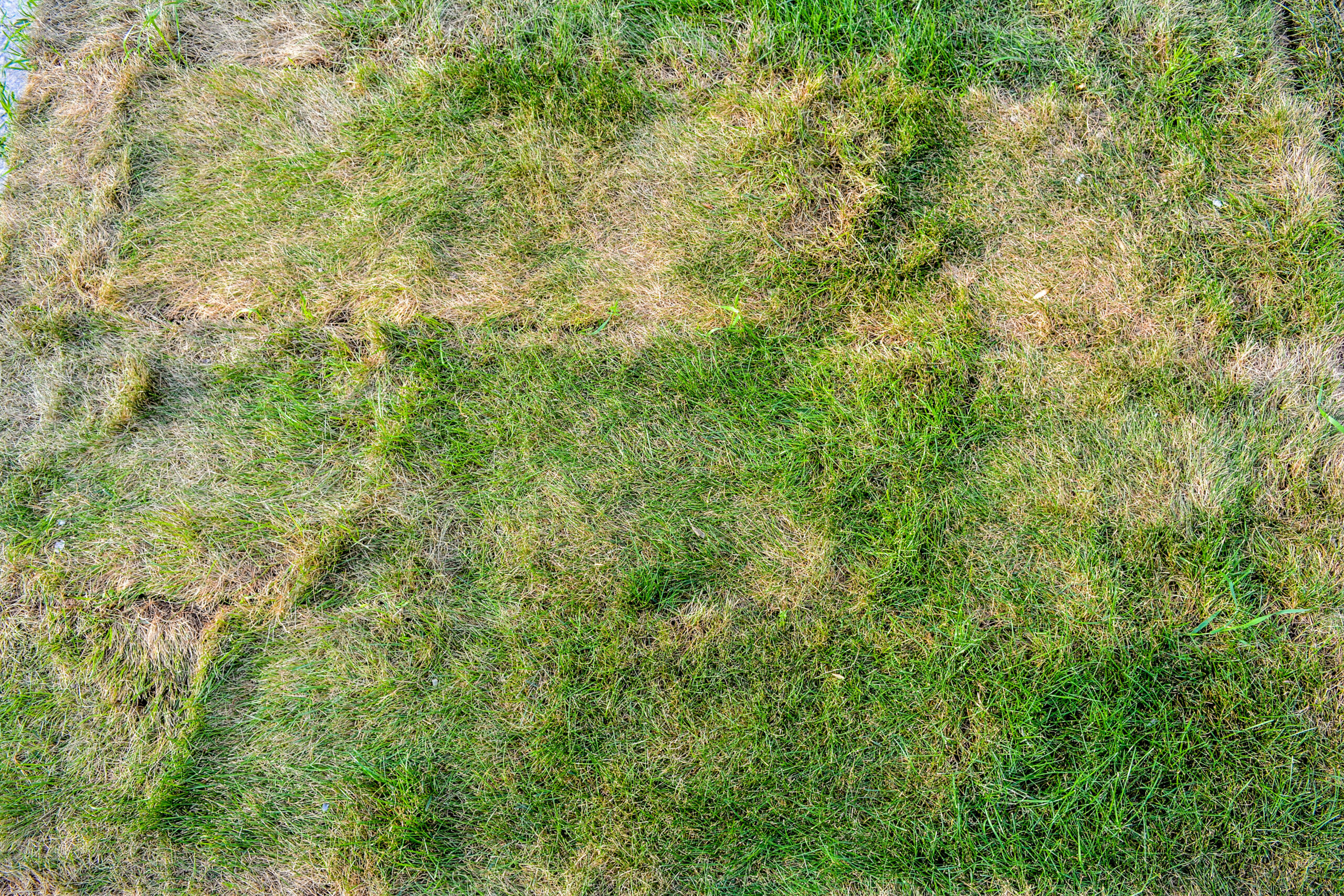
If you typed lawn service waterford because your grass turns brown after every mow, you are not alone. Many homeowners deal with fading color, crunchy blades, or even bare patches right after cutting. The good news is that a few simple changes to your mowing habits and watering routine can make a big difference fast. In this guide from Ziggy’s Landscape in Southeastern Wisconsin, you will learn why grass declines after mowing, how to fix it quickly, and when to call in pros for a free lawn check.
Fast Answer: The Top Reasons Your Lawn Declines After Mowing
Healthy turf can handle regular mowing. When grass suffers, it is usually because you are cutting too short, mowing at the wrong time, using dull blades, or watering the wrong way. Soil problems, heat stress, pests, and disease can add to the damage. Fix the basics first, then check for deeper issues if recovery is slow.
Quick Diagnosis Checklist
- Does the lawn look yellow or brown mainly at the tips? Likely dull mower blades.
- Are there scalped areas where you see soil or stubble? Mowing too short or uneven ground.
- Does the lawn turn gray or wilted the day after mowing? Mowed during heat or drought stress.
- Are there soft, spongy spots or thick thatch? Excess thatch and shallow roots.
- Do birds peck at the lawn or do you see loose turf? Possible grubs.
- Is the mower dropping clumps? Cutting wet grass or too much at once.
Grass Types In Southeastern Wisconsin And Why That Matters
Most lawns in our area feature cool season grasses like Kentucky bluegrass, perennial ryegrass, and fine fescue. These grasses like mild temps and steady moisture. They can bounce back well when treated right, but they suffer quickly from low mowing, heat stress, and drought. Knowing your grass type helps you set the right mowing height and watering plan.
10 Mowing Mistakes That Make Lawns Look Dead
1. Cutting Too Short
Scalping is the number one reason grass struggles after mowing. When you cut too low, you remove the leafy part that performs photosynthesis and you expose the crown of the plant. This dries it out and invites weeds. For cool season lawns, aim for 3 to 3.5 inches during spring and fall, and 3.5 to 4 inches during summer. Taller grass shades soil, keeps roots cool, and conserves moisture.
2. Breaking the One Third Rule
Never remove more than one third of the blade in a single cut. If the lawn got long after a rainy week or vacation, raise the mower and take it down over two or three cuts spaced a few days apart. This reduces shock and keeps the lawn green.
3. Mowing With Dull Blades
Dull blades tear grass instead of slicing it cleanly. Torn tips turn brown within hours and make the whole yard look burnt. Sharpen blades at least once per month during peak mowing season, or every 10 to 12 hours of use. Replace bent or damaged blades.
4. Mowing When It Is Too Hot Or Too Dry
Mowing during midday heat or when the lawn is wilted adds stress. Cut in the cool of the morning after the dew has dried or in the late afternoon. If the lawn is drought stressed, water deeply and wait a day before cutting.
5. Cutting Wet Grass
Wet grass clumps under the deck and drops piles that smother turf. It also makes scalping more likely on uneven ground. Wait until the lawn is dry to get a clean, even cut.
6. Mowing The Same Direction Every Time
Ruts and compaction form when wheels pass the same lines week after week. Alternate patterns between stripes, diagonals, and perpendicular passes to protect the turf.
7. Bagging All Clippings
Unless you have disease or heavy weeds going to seed, mulching clippings is best. Mulched clippings return nitrogen and organic matter to the soil and help retain moisture. If clumps form, do a second pass to chop them or lightly rake them out.
8. Ignoring Uneven Ground
High spots get scalped and low spots stay shaggy. If you fight this every mow, you may need finish grading. Ziggy’s Landscape performs finish grading to smooth uneven lawns and improve drainage so you can mow evenly without damage.
9. Setting The Deck Unevenly
A crooked deck or low front wheel leads to stripes of scalped grass. Check that all four wheels match your chosen height and that the deck is level side to side.
10. Neglecting Mower Maintenance
Clogged decks, low tire pressure, and dirty air filters reduce cut quality and tear turf. Clean the deck, set tire pressure evenly, and service the mower regularly.
Watering That Prevents Post Mow Browning
How Much To Water
Cool season lawns need about 1 inch of water per week from rain and irrigation combined, and up to 1.5 inches during hot dry spells. Water deeply and less often to train roots to grow down rather than stay shallow.
Best Time To Water
Water between 5 a.m. and 10 a.m. so grass can drink before the heat. Avoid evening watering to reduce disease risk. If you mow in the morning, water the day before or later the same morning after the dew evaporates. Do not water at midday.
Right After Mowing
If you followed the one third rule and cut at a healthy height, you do not need to soak the lawn right after mowing. If the lawn was dry or temps are high, a brief cycle can help, but the main goal is deep consistent moisture across the week.
Fertilizer And Weed Control Timing
Fertilizing at the wrong time can burn or stress turf, especially right after a hard cut. For most Wisconsin lawns, feed lightly in spring, strengthen in late summer, and apply a fall fertilizer to build roots. Skip heavy summer feedings during heat waves. When using weed control, follow labels and avoid mowing too short before or after applications. Healthy mowing and watering routines reduce weed pressure over time.
Soil, Thatch, And Compaction
Thatch Problems
A thin layer of thatch is normal. More than half an inch creates a sponge that dries out fast and keeps water and nutrients from reaching roots. If your lawn feels bouncy or dries out right after mowing, thatch could be the reason for the post cut fade. Dethatching in early fall or spring helps. Mulch clippings rather than bagging to promote a balanced soil ecosystem that breaks down thatch.
Compacted Soil
Heavy foot traffic and repeated mowing paths compact soil. Roots cannot breathe or grow deep, and the turf browns quickly after each cut. Core aeration opens channels for water and air. Fall is an ideal time to aerate cool season lawns. Ziggy’s Landscape can assess whether aeration or topdressing will help your yard recover.
Drainage And Grading
Poor drainage leads to soggy areas that scalp, rut, or invite disease. If puddles linger, consider finish grading to improve pitch and flow. Ziggy’s Landscape provides finish grading to set lawns up for healthy mowing and strong roots.
Pests And Diseases That Look Worse After Mowing
Sometimes mowing only reveals an issue that was already there. Grubs chew roots, so the mower can lift turf like a rug. Fungal diseases leave spots or patches that spread under stress. If your lawn declines even when you mow correctly, check under the turf for grubs and examine blades for lesions or rings. Contact a pro if you are not sure. Ziggy’s Landscape can inspect and recommend targeted treatments if needed.
Seasonal Mowing Strategy For Wisconsin Lawns
- Early spring: Start at 3 inches once grass is actively growing. Do a light clean-up of leaves and sticks so the mower cuts clean.
- Late spring: Raise to 3 to 3.25 inches. Keep blades sharp and follow the one third rule as growth speeds up.
- Summer: Raise to 3.5 to 4 inches. Mow less often during heat or drought. Skip a cut if the lawn is dormant brown to avoid damage.
- Early fall: Lower to about 3 to 3.25 inches. This supports root growth and recovery from summer stress.
- Late fall: Final cut around 2.75 to 3 inches to reduce snow mold risk without scalping.
Step By Step: Fix A Lawn That Looks Dead After Mowing
- Set the mower to 3.5 to 4 inches in summer or 3 to 3.5 inches in spring and fall.
- Sharpen or replace blades before your next mow.
- Water deeply, aiming for 1 inch per week. Use a rain gauge or tuna can to track it.
- Change mowing patterns and avoid mowing when the lawn is wet or wilted.
- Mulch clippings. If clumps form, make a second light pass to spread them.
- Test for thatch by cutting a small wedge of turf. If thatch is over half an inch, plan to dethatch.
- Check for pests by lifting a square foot of turf in declining areas. Count grubs. More than 6 to 8 per square foot can cause damage.
- Consider core aeration if soil is compacted or if water pools.
- Feed lightly in late summer and apply a quality fall fertilizer to rebuild strength.
- If you have ongoing brown patches, book a free lawn check with Ziggy’s Landscape to identify the root cause.
New Sod And New Seed: Special Care After Mowing
New Sod
Do not cut new sod until it has rooted, usually 10 to 14 days in warm weather. Gently tug to test. Make the first cut high at 3.5 to 4 inches with sharp blades. Keep the sod moist but not soggy for the first two weeks, then begin deeper, less frequent watering. Ziggy’s Landscape installs sod and provides a care plan so your investment thrives.
New Seed
Do not mow until seedlings are at least 3 to 3.5 inches. Take only the top half inch on the first cut. Keep soil evenly moist until the lawn fills in. If you need a fresh start, Ziggy’s Landscape can install a new lawn with seed and guide you through mowing and watering for best results.
Mulch, Beds, And Edges Matter Too
Clean edges and mulched beds reduce mower turns on turf and protect root zones from wheel wear. Mulch also stabilizes soil temperature and moisture in landscape areas. Ziggy’s Landscape offers mulch application and seasonal clean-ups that support a smooth mowing routine and better lawn health.
When To Call A Pro
If you corrected mowing height, sharpened blades, adjusted watering, and still see rapid browning after each cut, it is time for a professional evaluation. Soil tests, pest identification, and grading assessments can reveal hidden problems. Ziggy’s Landscape provides tailored solutions, from weekly mowing and seasonal clean-ups to grading and new lawn installation. We serve homeowners and businesses across Walworth and Jefferson counties.
Why Choose Ziggy’s Landscape
- Professional, reliable service schedules for residential and commercial clients
- Regular mowing with proper height and sharp blades to protect your turf
- New lawn installation with seed or sod for quick, lasting results
- Mulch application and finish grading for healthy, easy mowing
- Seasonal clean-ups in spring and fall to keep lawns strong
- Snow removal during winter so your property is cared for all year
- Customized plans to fit your goals and budget
For Searchers Of Lawn Service Waterford
If you searched lawn service waterford because your grass declines after mowing, use this guide to stabilize your lawn right away. While Ziggy’s Landscape focuses on Walworth and Jefferson counties in Southeastern Wisconsin, the tips here apply across nearby communities. If you are close by and want expert help to diagnose and fix mowing damage, book your free lawn check. We are happy to explain what is going on with your turf and outline the fastest path to a greener yard.
Frequently Asked Questions
Why does my lawn turn yellow at the tips after mowing?
This is a classic sign of dull mower blades tearing the grass. Sharpen or replace blades and the yellowing should stop within a week or two as new growth appears.
How short is too short?
For cool season lawns, anything below 3 inches can stress turf, especially in summer. Aim for 3 to 3.5 inches in spring and fall and 3.5 to 4 inches in summer.
Should I water right after mowing?
Not always. If you mowed properly and the lawn is not stressed, keep your regular schedule. If the lawn was dry or very hot, a light watering can help, but deep, infrequent watering across the week is more important.
Do clippings cause thatch?
No. Grass clippings are mostly water and nitrogen and break down quickly. Thatch comes from stems and roots that do not decompose well. Mulching clippings helps build healthy soil that actually reduces thatch over time.
How often should I sharpen mower blades?
Every 10 to 12 hours of mowing or at least monthly during peak growth. Check blades after hitting sticks or rocks and replace if bent.
Can mowing spread disease?
Yes, especially when grass is wet. Clean the mower deck and avoid mowing diseased areas when wet. Water in the morning, and ensure good airflow and proper mowing height to reduce disease pressure.
Your Next Step To A Greener Lawn
If every mow leaves your lawn looking worse, you can turn it around with a few smart changes. Raise the mowing height, sharpen blades, water deeply in the morning, and avoid cutting during heat or drought stress. If you need help diagnosing stubborn problems, Ziggy’s Landscape is ready to help with a free lawn check. From careful weekly mowing to new lawn installation, mulch, grading, and seasonal clean-ups, we make healthy lawns easy for homeowners and businesses across Walworth and Jefferson counties. Searching for lawn service waterford or nearby and need expert advice you can use today? Reach out to Ziggy’s Landscape and get your lawn back on track fast.