
Choosing the right mulch alternatives for Wisconsin yards
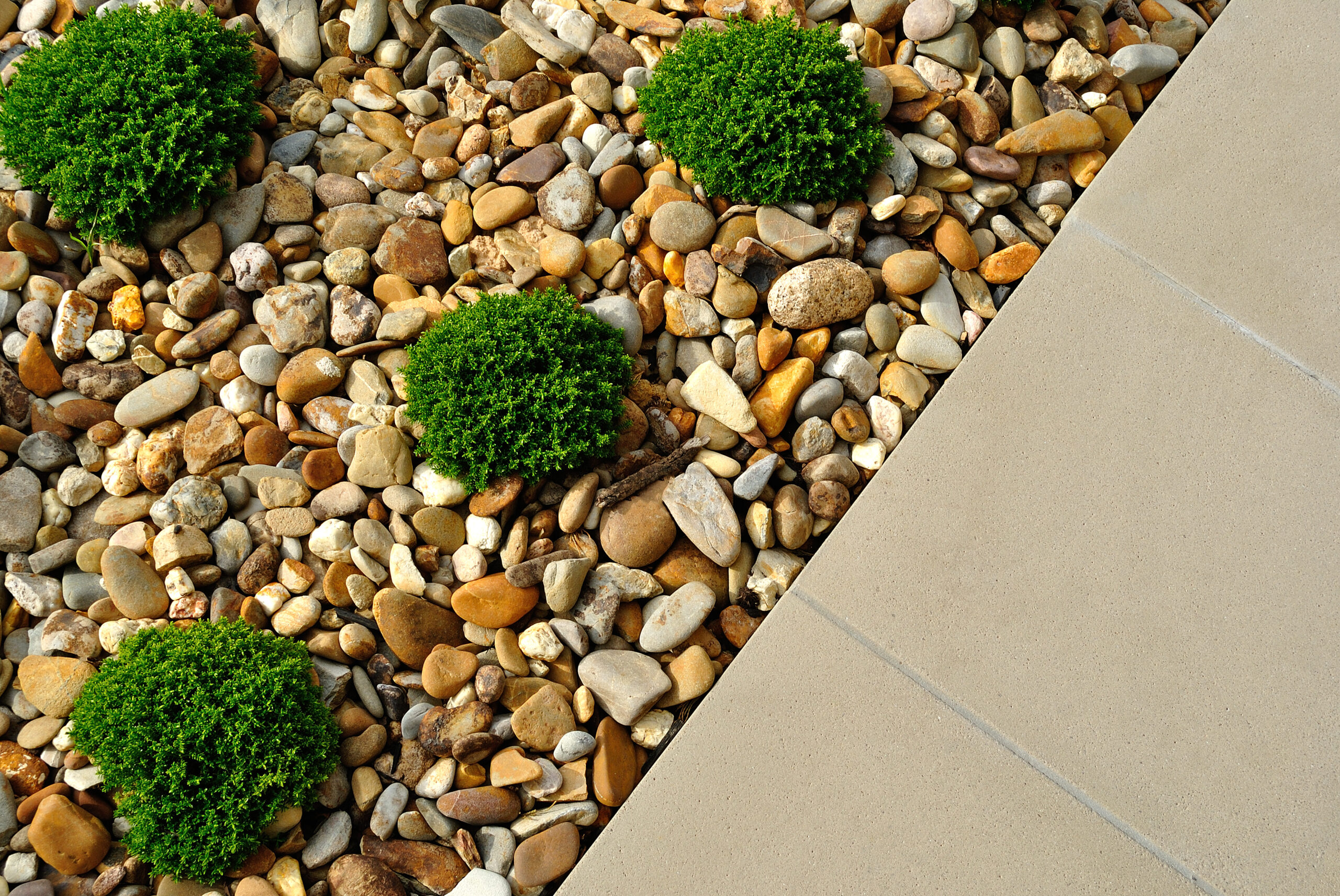
Looking for mulch alternatives that hold up in Wisconsin’s seasons while delivering curb appeal and lower maintenance? You are not alone. Homeowners across Southeastern Wisconsin want landscape materials that look good, protect plants, and keep weeds down without constant work. Two of the most popular mulch alternatives are decorative rock and shredded bark. Each brings different benefits in our climate, and each makes sense in specific spots. Below, we compare rock versus shredded bark, share where each wins in Wisconsin conditions, and offer practical design and maintenance tips. If you need help selecting and installing the best choice for your property, Ziggy’s Landscape is here for you.
Why mulch matters in Wisconsin
Mulch, and mulch alternatives, do more than dress up a planting bed. In Wisconsin, we deal with freeze-thaw cycles, heavy spring rains, hot summer sun, and winter snow. A good ground cover helps with soil temperature, water management, erosion control, weed suppression, and plant health. The right choice can also reduce maintenance over the long run and give your property a clean, finished look all year.
Common goals when choosing mulch alternatives
- Control weeds without harsh chemicals
- Reduce watering needs during summer
- Protect soil from erosion and compaction
- Maintain a neat, professional appearance around the home or business
- Match the style of the house and the neighborhood
- Withstand plows, snow piles, and spring clean-ups
Rock mulch: the durable, low-replacement option
Rock is a popular pick when homeowners want a long-lasting ground cover that does not break down. In Walworth and Jefferson counties, decorative rock can look crisp around foundations, in sunny spots, and in high-traffic areas. It is common to see river rock, granite, and limestone in a range of sizes. When installed correctly, it can provide a clean, modern look that complements stone and brick homes.
Benefits of rock as a mulch alternative
- Very long lifespan with minimal replacement
- Good for windy or sloped areas where lighter materials blow away
- Stable around hardscapes like walkways and patios
- Does not invite pests like termites
- Pairs well with ornamental grasses, evergreens, and xeriscape-inspired plantings
- Stands up to heavy spring rains without washing out when properly contained
Potential drawbacks of rock in Wisconsin
- Can get hot in full sun and stress shallow-rooted plants
- Does not add organic matter to the soil
- Weed seeds can still germinate in dust and debris that settle on top
- More difficult to clean leaves out of rock beds in fall
- Higher upfront cost compared to shredded bark
- Snow removal can kick rock into lawns or driveways without proper edging
Best places to use rock
- Foundation beds with mature shrubs and evergreens
- Rain-prone areas with good edging and drainage
- High-traffic zones and commercial fronts
- Sunny, low-maintenance designs with drought-tolerant plants
- Around AC units and utility areas where wood mulch might blow or decay
Shredded bark mulch: the plant-friendly, natural look
Shredded bark mulch creates a soft, natural backdrop for perennials, trees, and shrubs. In Wisconsin, it helps moderate soil temperature and provides nutrients as it breaks down. Many homeowners love its warm color and its ability to blend into a wooded or cottage-style landscape. Common choices include hardwood mulch, dyed brown mulch, and shredded cedar.
Benefits of shredded bark as a mulch alternative
- Improves soil structure over time as it decomposes
- Helps regulate soil temperature through frost and heat
- Excellent moisture retention for plant roots
- Great weed suppression when installed at the correct depth
- Typically lower upfront cost
- Soft, natural look that works across most home styles
Potential drawbacks of shredded bark in Wisconsin
- Needs topping up every one to two years
- Can wash out on steep slopes without edging or terracing
- Color fades over time, especially in full sun
- Can mat if applied too thick, limiting water and air exchange
- May blow into lawns during high winds if not contained
Best places to use shredded bark
- Perennial and shrub beds focused on plant health
- New plantings where soil improvement is a priority
- Shaded or part-shade areas where heat buildup is a concern
- Tree rings to protect trunks from string trimmers and mower damage
- Garden paths that need a soft, forgiving surface
Rock vs. shredded bark: where each wins in Wisconsin
For curb appeal
Both rock and shredded bark can look great. Rock reads as modern and low maintenance. Shredded bark reads as warm and natural. If your home has stone or brick accents, rock often enhances the architecture. If your property is leafy or cottage-style, shredded bark may blend more naturally into the surroundings.
For plant health
Shredded bark generally wins. It protects roots from heat and cold and feeds the soil as it decomposes. Rock can work with tough, drought-tolerant plants but may stress shallow roots in full sun. If your priority is lush growth and healthy soil, choose shredded bark and refresh it on a schedule.
For maintenance
Rock requires less frequent replacement, which many homeowners appreciate. That said, it still needs periodic weeding, edging, and leaf clean-up. Shredded bark requires top-ups but is easier to rake smooth and to clean in spring. In fall, leaf removal from rock can be more tedious without the right tools.
For stormwater and erosion
Both can help when installed correctly with proper edging. Shredded bark is better at soaking up rainfall and slowing runoff. Rock allows water to pass through quickly but may not hold moisture in the soil as well without fabric and good organic soil below.
For budget
Shredded bark mulch usually costs less upfront. Rock has higher initial costs but lower replacement costs across many years. Over 5 to 10 years, the total cost can balance out depending on bed size, slope, and the amount of topping up required.
Mulch alternatives beyond rock and shredded bark
While rock and shredded bark are the most popular in Southeastern Wisconsin, a few other mulch alternatives can work in select situations.
- Composted mulch: Offers top-tier soil improvement and moisture retention. Best for flower and vegetable gardens where plant health is key.
- Pine straw: Light and easy to spread. Works well in shaded, protected areas. Not as common in Wisconsin but effective where wind is minimal.
- Cocoa bean hulls: Attractive color and good smell. Must be used carefully around pets. Best for small, contained beds.
- Leaf mold: Excellent for soil life and moisture retention. Great near woodland edges and in perennial beds with a natural style.
- Rubber mulch: Long lasting and resilient in play areas. Does not improve soil and can heat up in sun. Limited use in ornamental beds.
Installation tips for rock and shredded bark
Site preparation
- Remove weeds and grass down to the roots.
- Edge the bed to create a defined boundary. Steel, composite, or natural stone edging helps keep material contained.
- Address drainage. Consider finish grading to prevent water from pooling around foundations. Ziggy’s Landscape offers professional grading to protect your investment.
- Install a pre-emergent weed control if appropriate and safe for your plantings.
Fabric and depth guidelines
- Rock with fabric: Use high-quality woven landscape fabric under rock to discourage weeds and keep rock from settling into soil. Avoid cheap plastic sheeting that can trap water.
- Rock depth: 2 to 3 inches for small rock, 3 to 4 inches for larger stone in windy or sloped areas.
- Shredded bark without fabric: Skip fabric under wood mulch. Fabric prevents mulch from mixing with soil and can lead to water runoff. Let the mulch contact the soil for best results.
- Shredded bark depth: 2 to 3 inches around perennials and shrubs. Keep mulch 2 to 3 inches away from trunks and stems to prevent rot and pests.
Edging for clean lines
Proper edging is key to a clean look with any mulch alternative. Steel or composite edging pairs well with rock. Natural stone or paver edging elevates the design and handles snow pushback better than plastic in our winters. For shredded bark, deep-cut trench edging creates a crisp border that still looks natural.
Seasonal care and maintenance
Spring
- Rake out debris, branches, and leaves from beds.
- Top up shredded bark as needed to maintain a 2 to 3 inch layer.
- Inspect rock beds for displaced stones and fix low spots.
- Check edging and repair any winter damage.
Summer
- Spot weed before seedlings set seed.
- Water new plantings deeply and less often to promote strong roots.
- Monitor for heat stress in full-sun rock beds. Consider plant choices suited to these conditions.
Fall
- Blow or rake leaves off rock beds to prevent breakdown into weed-friendly debris.
- Lightly rake shredded bark to refresh the surface color and break up any matting.
- Schedule seasonal clean-ups with Ziggy’s Landscape for a tidy finish before winter.
Winter
- Mark bed edges near driveways and sidewalks before snow removal begins.
- Push snow away from rock beds to reduce displacement during thaw.
- Plan your spring updates and get on Ziggy’s Landscape’s schedule to secure early-season service.
Design ideas that work in Wisconsin
Mixed-material beds
Combine rock and shredded bark in one landscape for the best of both worlds. Use rock along the foundation and walkways for structure and durability. Use shredded bark in the planting zones to support plant health and retain moisture. Define transitions with a clear edging line for a polished finish.
Color and texture pairing
Match cool gray rock with blue-green evergreens and ornamental grasses for a modern look. Pair dark brown or natural hardwood mulch with flowering shrubs and perennials for a classic Midwest garden feel. Consistency across the front yard and side beds creates a cohesive street view.
Low-maintenance planting plans
In rock beds, choose tough, sun-loving plants like Karl Foerster feather reed grass, Russian sage, sedum, and junipers. In shredded bark beds, load up on hostas, daylilies, coneflowers, and hydrangeas that appreciate richer soil and even moisture. Ziggy’s Landscape can help tailor plant lists to your site and style.
Common mistakes to avoid
- Mulch volcanoes around tree trunks. Keep mulch pulled back a few inches to prevent rot and pests.
- Over-mulching. More than 3 inches can suffocate roots and shed water.
- Skipping edging. Without a defined edge, material will migrate into lawns and walkways.
- Using fabric under shredded bark. It blocks soil improvement and can cause water to run off.
- Installing rock without drainage planning. Poor grading can lead to soggy areas and plant stress.
- Choosing the wrong plant for rock beds. Shallow-rooted or moisture-loving plants may struggle in the heat.
Cost and value over time
Shredded bark is budget-friendly to install, which makes it ideal for large areas and new beds. Expect to top it up every year or two to keep it looking fresh and performing well. Rock costs more at first but can last for many years with periodic maintenance. Over a longer horizon, the total cost can be similar depending on the size of your beds and your maintenance schedule. Ziggy’s Landscape can provide a clear estimate for both options so you can make a confident decision.
Environmental considerations
Shredded bark contributes organic matter to your soil and supports healthy soil life. It also helps retain water, which is helpful during dry stretches. Rock does not improve soil, but it does not break down or need frequent replacement. To balance sustainability with performance, some homeowners combine the two, using bark where plants need it most and rock where durability is essential.
How Ziggy’s Landscape helps you decide
Ziggy’s Landscape is a professional landscaping company based in Southeastern Wisconsin, serving Walworth and Jefferson counties. We design, install, and maintain landscapes for homes and businesses, including mulch application, finish grading for proper drainage, seasonal clean-ups, and snow removal. Our team can evaluate your site, your budget, and your style to recommend mulch alternatives that fit your goals. Whether you want the long-term durability of rock, the plant health benefits of shredded bark, or a combination, we deliver a clean, finished result that lasts.
What to expect when you work with Ziggy’s Landscape
- On-site assessment of beds, soil, drainage, and sun exposure
- Clear recommendations with pros and cons tailored to your property
- Accurate, itemized estimates for materials and labor
- Professional installation with proper edging and depth
- Ongoing care options like seasonal clean-ups and mulch refreshes
Frequently asked questions about mulch alternatives
How often should I refresh shredded bark mulch?
Plan to top it up every 12 to 24 months. The rate depends on sun exposure, wind, and your desired appearance. A light top-dress often brings the look and performance back quickly.
Will rock mulch kill my plants?
No, but it can stress plants that prefer cool, moist roots, especially in full sun. Choose plants suited to rock beds, or use shredded bark around sensitive plantings. Ziggy’s Landscape can help with plant selection.
Do I need landscape fabric under rock?
In most cases yes. A quality woven fabric under rock reduces weeds and prevents stone from sinking into the soil. Use proper edging to keep rock contained and neat.
Can I mix rock and shredded bark in the same bed?
Yes. Many Wisconsin landscapes use rock along foundations and paths, and shredded bark around plant groupings. A clear edging line keeps the materials separated and attractive.
Which mulch alternative is best for sloped areas?
Rock stays put better on steep slopes, but shredded bark can work with proper edging, terracing, or erosion control. An on-site evaluation will determine the best approach for your slope.
Ready to choose the best mulch alternative for your yard?
Rock and shredded bark are both smart mulch alternatives for Wisconsin landscapes when matched to the right spaces. Rock shines for durability, structure, and modern style. Shredded bark excels for plant health, soil improvement, and a soft, natural look. If you want a low-maintenance landscape that fits your budget and boosts curb appeal, talk to Ziggy’s Landscape. We serve Walworth and Jefferson counties with customized plans, quality materials, and careful installation. Contact Ziggy’s Landscape to schedule a consultation and find the mulch alternative that will make your property look great in every season.