
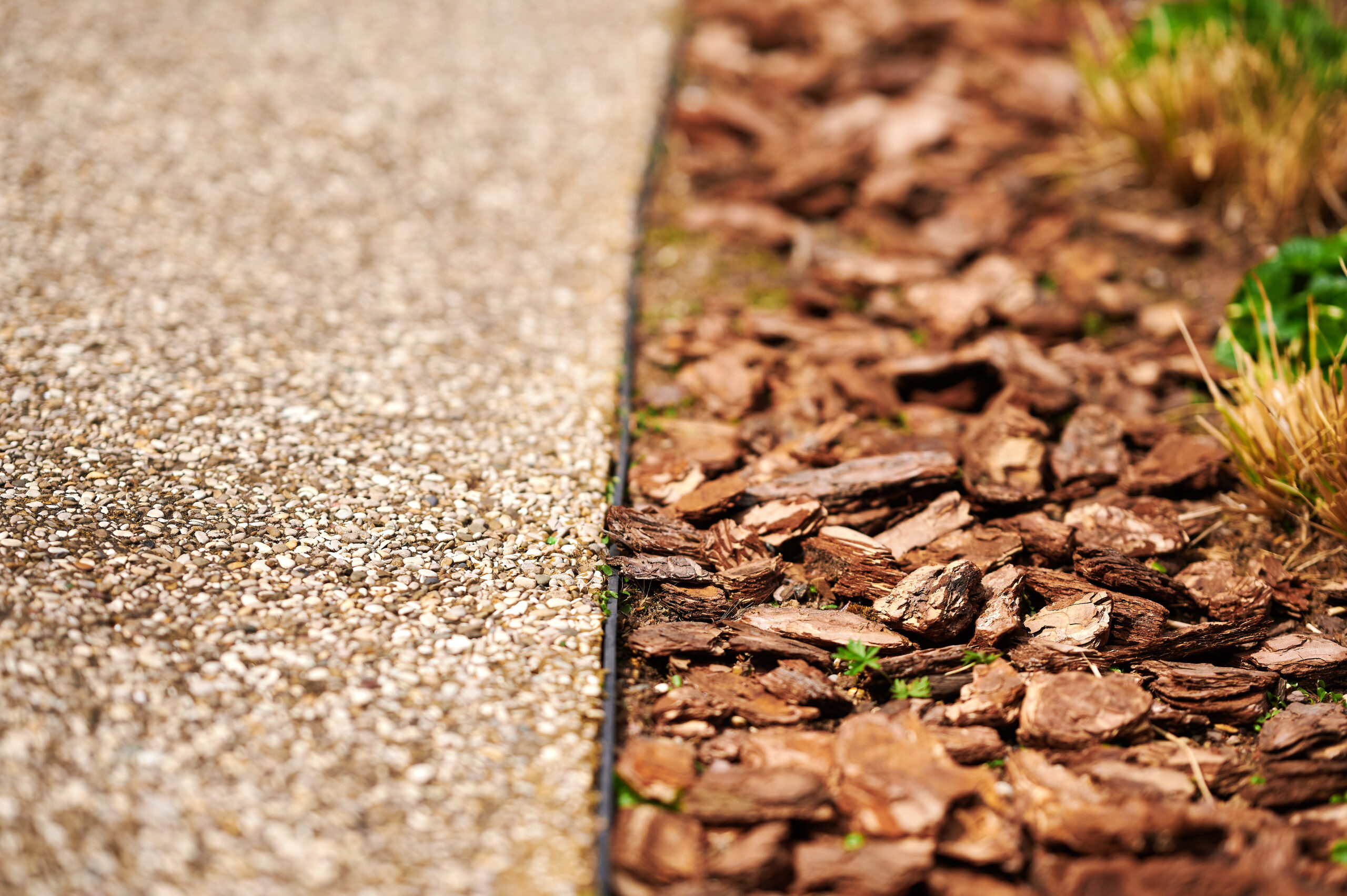
Mulch around foundation or rock? This guide compares pros, cons, drainage, pest control, and curb appeal so you can choose wisely this year. Learn expert tips from Ziggy’s Landscape and decide with confidence.
Quick Answer for Homeowners in Southeastern Wisconsin
If you want a low maintenance border that protects your foundation from moisture and splash, use a 12 to 24 inch rock strip right against the house, then mulch the rest of the bed for plant health and looks. This hybrid layout works well in Walworth and Jefferson counties because it manages heavy rain, spring snowmelt, and freeze-thaw cycles while still giving your shrubs and perennials the benefits of organic mulch. If you prefer an all-in-one solution, mulch is best for plant health and soil, while rock is best for long-term durability and keeping insects away from the base of your home.
Mulch vs. Rock Around the Foundation: What Matters Most
Drainage and Moisture Control
Water management around your home matters more than anything else. You need a steady slope away from the foundation, working downspouts, and a ground cover that does not trap water against the house. Organic mulch absorbs rain and slows runoff, which can be helpful, but it can also hold moisture close to the wall if it is too deep or piled too high. Rock sheds water faster and helps reduce soil splash on siding. In areas with heavy rains or if you have had basement seepage, rock near the foundation is the safer choice. Ziggy’s Landscape often improves grading first, then installs rock or mulch to support drainage.
Pest and Insect Considerations
Mulch can attract insects and rodents looking for shelter. In Wisconsin, termites are less common than in warmer states, but you still want a clear inspection zone along the foundation. Rock does not provide the same shelter and dries out faster, making it less attractive to many pests. If you choose mulch around foundation areas, keep a mulch-free gap against the wall or use a rock strip for peace of mind.
Soil Health and Plant Performance
Organic mulch feeds the soil as it breaks down. It improves texture, builds organic matter, and helps roots stay cool and moist during summer. Shrubs, trees, and perennials usually grow better with organic mulch than with rock. Rock does not add nutrients, and in sunny spots it can heat up the root zone and stress some plants. If plant vigor is your top goal, mulch is hard to beat.
Temperature and Freeze-Thaw
Our region sees extreme temperature swings. Mulch insulates the soil and helps reduce frost heave around shallow roots. Rock can warm up during sunny winter days then cool fast at night, which can stress certain plants near the base of the home. Use mulch to protect roots, and consider rock closer to the foundation for drainage and inspection.
Pros and Cons at a Glance
Organic Mulch: Pros
- Improves soil structure and fertility over time
- Helps retain moisture and reduce watering needs
- Protects roots from heat and winter cold
- Suppresses weeds when applied at the right depth
- Offers a soft, natural look that highlights plants
- Often less expensive up front
Organic Mulch: Cons
- Breaks down and needs freshening every 1 to 2 years
- Can harbor insects and small rodents if too deep
- May hold moisture against siding if piled high
- Can fade in color by the end of summer
- Floats or washes during heavy downpours if not edged
Landscape Rock: Pros
- Very durable and rarely needs replacement
- Does not decompose or settle much
- Stays in place with proper edging and fabric
- Dries fast and reduces pest shelter near the wall
- Helps prevent mud and soil splash on siding
- Clean, modern look with many color options
Landscape Rock: Cons
- More expensive to install due to materials and labor
- Can be hard on soil and plant roots in hot, sunny spots
- Weeds can still grow if fabric tears or gets covered with debris
- Leaves and needles can be tough to remove from rock beds
- Harder to change later than mulch
Best Practices for Mulch Around Foundation
If you choose mulch around foundation beds, a few simple rules will protect your home and your plants. Ziggy’s Landscape follows these standards on residential and commercial projects across Southeastern Wisconsin.
- Use the right depth. Spread 2 to 3 inches of mulch. More is not better. Too much mulch can smother roots and hold excess moisture.
- Keep mulch below the siding. Maintain at least 6 inches of exposed foundation wall to prevent rot, insects, and moisture wicking.
- Leave a gap at the foundation. Maintain a 6 to 12 inch mulch-free strip along the wall or use a narrow rock band for inspection and drainage.
- Never volcano mulch trees. Keep mulch 3 to 6 inches away from trunks and 1 to 2 inches away from shrub crowns to prevent rot.
- Edge your beds. Use a defined soil edge or edging material to stop mulch from spreading into the lawn and to resist washouts during storms.
- Refresh annually. Top-dress with a light layer as needed rather than burying older mulch. Rake to break up mats that block air and water.
- Choose quality mulch. Hardwood, hemlock, or dyed mulch can work well. Avoid sour-smelling or contaminated material that may harm plants.
Best Practices for Rock Around Foundation
Rock can be a great choice against the house, but correct installation is key for long-term performance and easy maintenance.
- Start with grading. Ensure a steady slope away from the house before putting down fabric or rock. Aim for about a 5 percent slope for the first 10 feet if possible.
- Install fabric the right way. Use a heavy-duty woven landscape fabric under rock to block weeds while allowing water to drain. Overlap seams by 6 to 12 inches.
- Pick the right size. Use 3/4 inch clean stone or river rock for stability and good drainage. Pea gravel can shift, and very large rock can be hard to rake.
- Mind the depth. A 2 to 3 inch layer is often enough over fabric. Too deep makes future changes hard and increases cost.
- Protect downspout areas. Use splash blocks or extensions so water does not pool under rock. Consider a hidden drain if water collects.
- Plan leaf cleanup. In fall, blow or rake gently so you do not pull rock into the lawn. A leaf blower on low can help.
- Keep rock below siding. Like mulch, rock should sit well below siding and weep holes on brick.
What Works Best for Common Home Goals?
Maximum Drainage and a Dry Basement
Choose a rock strip against the house paired with a well-graded slope. Extend downspouts at least 6 to 10 feet. If you have chronic wet spots, Ziggy’s Landscape can add finish grading or a French drain to move water away from your foundation.
Low Maintenance and Clean Lines
Rock offers the lowest long-term upkeep near the foundation. Use fabric and strong edging, and plant low-maintenance evergreens or ornamental grasses just beyond the rock strip. Mulch the plant zone to help with weed control and reduce watering.
Healthier Shrubs and Perennials
Mulch around foundation plantings keeps roots cooler and retains moisture. If you are focused on plant health, go with organic mulch in beds and keep a small rock border right along the wall for inspection.
Curb Appeal and Color
Both options can look great. Rich chocolate brown mulch creates strong contrast with green plants. River rock offers a timeless, upscale look. Match rock color to your roof, siding, or stone accents. Ziggy’s Landscape can help you sample materials so the tones work with your home.
Cost, Longevity, and Maintenance
Think about upfront cost and yearly effort. Mulch is cheaper to install but needs refreshing every year or two. Rock costs more at first due to fabric, edging, and material weight, but lasts for many years with simple maintenance.
- Mulch costs: lower up front, higher over time due to replenishment
- Rock costs: higher up front, lower over time thanks to durability
- Mulch maintenance: seasonal top-dressing, raking, and weed checks
- Rock maintenance: leaf cleanup, occasional weed pulling at seams or where debris builds up
A Smart Hybrid Layout Most Pros Use
Many homeowners get the best of both by combining the two. A smart hybrid layout protects the foundation while boosting plant health and curb appeal.
- Grade the soil. Set a gentle slope away from the house to move water off the foundation.
- Create a 12 to 24 inch rock strip along the wall. Install fabric and 3/4 inch clean stone kept below siding level.
- Mulch the planting area. Extend organic mulch through the rest of the bed at 2 to 3 inches deep.
- Edge the border. Use a clean cut soil edge or edging material to keep lines crisp and prevent washouts.
- Direct downspouts. Add extensions, splash blocks, or a drain to send water away from the rock strip.
This layout fits most homes in Walworth and Jefferson counties. It handles heavy storms, supports shrubs, and gives you a neat, modern edge at the house. Ziggy’s Landscape installs this system often for lasting results.
Seasonal Care Tips for Wisconsin Yards
Spring
Clean leaves and winter debris from beds. Test downspouts and fix any damage. Top-dress mulch lightly if it thinned out. Check for low spots against the foundation and add soil for positive slope before covering with mulch or rock.
Summer
Spot weed before roots get deep. Water new plants at the base, not over the foliage. Rake mulch to break up any crust and improve airflow. Watch for pests near the foundation and keep your inspection strip clear.
Fall
Remove fallen leaves from rock so they do not break down and form a weed layer. Add a thin layer of mulch around perennials to buffer winter cold. Confirm that soil and coverage are still below siding level.
Winter
Mark bed edges if you plow or snow blow to prevent rock from being pushed into the lawn. Avoid piling snow and ice melt directly against the foundation. Ziggy’s Landscape offers snow removal and can help protect your landscape during storms.
FAQs: Mulch Around Foundation or Rock?
- Is it safe to use mulch around foundation walls? Yes, when installed correctly. Keep mulch 6 to 12 inches away from the wall or use a rock strip, keep depth at 2 to 3 inches, and maintain a slope away from the house.
- Will rock cause heat stress to my plants? It can in sunny locations. Limit rock to a narrow strip along the house and use mulch in the main planting zone to protect roots.
- What kind of mulch should I choose? Shredded hardwood is a popular choice for durability and weed control. For color that lasts, consider dyed mulch from a reputable supplier. Ziggy’s Landscape can help you pick the best option.
- Do I need landscape fabric under mulch? Usually no. Fabric can stop mulch from blending with soil and may block water and air as it clogs. Save fabric for rock installations.
- How thick should rock be around the foundation? Generally 2 to 3 inches over quality fabric. Keep rock below siding and weep holes.
- What if I already have moisture issues? Address grading, gutters, and downspouts first. Consider a rock strip against the house and consult a pro. Ziggy’s Landscape provides finish grading and drainage solutions.
- Can I switch from rock to mulch later? Yes, but it takes work to remove rock. Plan for the long term or start with a hybrid layout so you can adjust more easily.
When to Choose Professional Help
Some projects are simple weekend jobs. Others need grading, heavy materials, and careful planning. If you see water pooling near your home, if your mulch keeps washing out, or if you need a full refresh of your beds, a pro can save time and prevent mistakes. Ziggy’s Landscape serves homeowners and businesses across Southeastern Wisconsin with grading, mulch installation, rock borders, new lawn seeding and sod, mowing, seasonal cleanups, and snow removal. The team tailors each plan to your yard, budget, and goals.
- Site evaluation to check slope, downspouts, and soil
- Material selection to match your home and plants
- Professional bed prep with edging and fabric where needed
- Precise mulch or rock placement at safe depths
- Ongoing maintenance plans for a clean, healthy landscape
Ready to Decide? Ziggy’s Landscape Can Help
Choosing between mulch and rock around your home is easier when you focus on drainage, pests, plant health, and the look you want. For most homes, a narrow rock strip along the house with mulch in the main planting area provides the best balance. It protects your foundation, keeps pests in check, and supports healthy shrubs and perennials. If you live in Walworth or Jefferson County, Ziggy’s Landscape is ready to help you design and install the right solution. From finish grading to mulch application and seasonal care, the team delivers results that last and match your budget. Reach out to Ziggy’s Landscape to plan your yard upgrade and enjoy a cleaner, safer, and better-looking foundation border this year.