
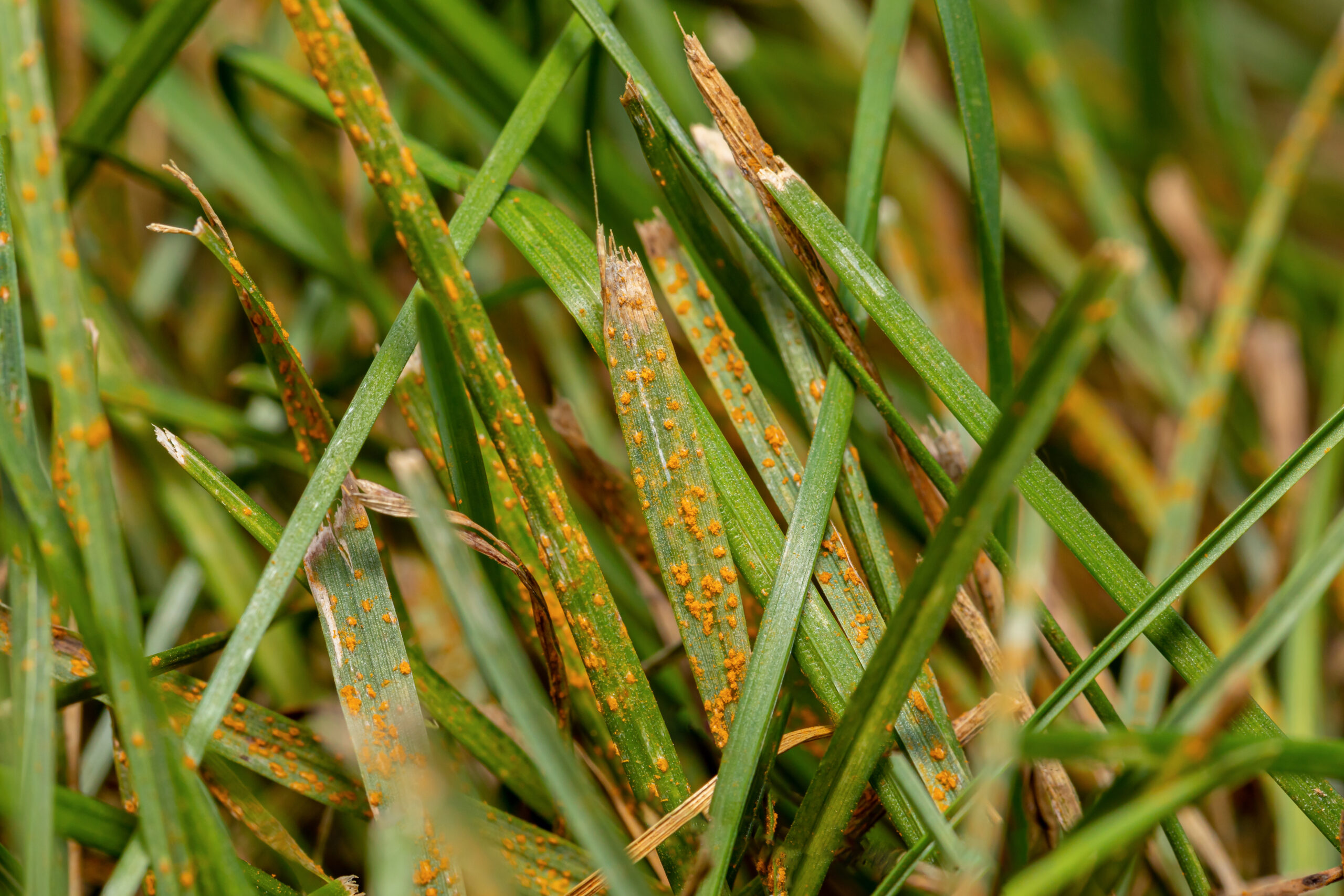
If you are spotting orange fungus on grass or a dusty orange tint on your shoes after mowing, your lawn likely has rust. Lawn rust is a common turf disease that shows up fast during stretches of slow grass growth. The good news is it can be managed with the right care plan. Below, we explain why it spreads, how to treat it, and what to do to prevent it. If you are in Southeastern Wisconsin, the team at Ziggy’s Landscape is ready to help bring your lawn back to a healthy green.
What Is Lawn Rust and Why Your Grass Looks Orange
Lawn rust is a fungal disease that turns blades orange or yellow and releases a fine powder. That powder is actually spores that spread to nearby turf. The fungi that cause rust love grass that is stressed, shaded, or underfed. You might see small orange or tan spots that merge into larger patches. When you touch the blades, the orange color rubs off on your fingers or shoes. This is why so many homeowners describe the problem as orange fungus on grass.
In Southeastern Wisconsin, rust often appears on Kentucky bluegrass, perennial ryegrass, and fescue. It tends to peak from late summer into early fall when nights are cool and mornings are damp. If growth slows during a dry spell or the lawn is short on nitrogen, rust can gain a foothold and spread across the yard.
How to Confirm It: Signs and Simple Tests
Common signs of lawn rust
- Blades coated with orange or yellow powder
- Small orange lesions that expand into larger discolored areas
- Thin or weak turf that looks dull rather than glossy green
- Orange dust on shoes, pets, or the mower deck after walking through affected areas
Try the tissue test
Wipe a white tissue or paper towel across several grass blades. If you see orange streaks or dust on the tissue, you likely have rust. This quick check is a reliable way to confirm that the orange fungus on grass is lawn rust and not something else.
What it is not
- Dog urine spots usually look straw colored with a dark ring around the edge.
- Iron deficiency causes uniform yellowing, not orange dust that rubs off.
- Leaf spot disease creates purple or brown specks with clear borders.
- Fertilizer burn leaves crisp edges and patchy brown scorch, not powdery residue.
- Snow mold shows matted, grayish patches in early spring rather than orange powder.
Why Lawn Rust Spreads So Fast in Wisconsin
Rust thrives when grass growth slows but humidity is high. In Walworth and Jefferson counties, we often see cool nights with heavy dew after warm days. That combination gives the fungus time to infect blades. Add in a few missed waterings, a low mower setting, or worn-out nutrients, and rust moves quickly.
- Slow growth due to drought or heat means blades cannot outgrow infections.
- Low nitrogen fertility leaves turf hungry and less able to defend itself.
- Shade and poor airflow keep leaves wet longer, helping spores germinate.
- Thatch and compacted soil trap moisture on the surface and restrict roots.
- Short mowing injures leaves and exposes more surface for infection.
Once established, rust spreads as the powder transfers from blade to blade. A mower can move spores across the yard in a single pass. Even foot traffic can carry spores to clean areas. This is why homeowners often feel like the orange fungus on grass showed up overnight.
Is Lawn Rust Dangerous?
For lawns, rust is a stressor rather than a death sentence. It weakens turf and reduces vigor, which can open the door to weeds. For people and pets, rust is considered a nuisance, not a hazard. It can stain shoes, clothing, and mower parts, but it is not known to be toxic. Sensitive individuals might experience mild irritation if they handle infected grass heavily, so gloves are a good idea when raking or bagging clippings.
Quick Action Plan: What To Do This Week
- Mow at the right height. Aim for 3 to 3.5 inches for most cool season grasses. Taller leaf blades shade the soil and support deeper roots. Avoid cutting off more than one third of the blade at a time.
- Bag clippings if rust is heavy. In light cases, mulching is fine. If you see a lot of orange dust during mowing, bag clippings for two to three cuts to lower spore levels.
- Water deep and early. Water in the morning so leaves dry quickly. Aim for about 1 inch per week, including rain. Deep watering helps grass outgrow infection.
- Feed lightly with nitrogen. A light application can help turf rebound. In late summer, apply about 0.5 pound of nitrogen per 1,000 square feet with a balanced fertilizer. Do not overapply. Follow the product label.
- Improve airflow. Trim back overgrown shrubs, thin crowded beds, and clear debris. Faster drying times make your lawn less inviting to rust.
- Clean equipment and shoes. Rinse the mower deck and brush off shoes after use. This simple habit keeps you from moving spores to clean areas.
- Overseed thin areas. In late summer or early fall, overseed with rust tolerant varieties. A thicker stand of grass is the best long-term defense.
- Hold off on fungicides unless severe. Cultural fixes work in most home lawns. Consider fungicide only if rust is widespread or the lawn cannot recover with good care.
When Fungicides Make Sense
Fungicides can be effective, but timing matters. Apply preventively or at the very first sign of infection. If rust has already coated large sections of the yard, focus on mowing, watering, and nutrition first. When needed, look for products labeled for rust on turf. Active ingredients often used include propiconazole, myclobutanil, and azoxystrobin. Rotate modes of action to reduce resistance and always follow the label. If you are unsure which product to choose or when to apply it, ask Ziggy’s Landscape for guidance tailored to your grass type and site conditions.
Long-Term Prevention for a Rust-Resistant Lawn
Fertilize with a smart schedule
Most cool season lawns in Southeastern Wisconsin do best with a steady, modest supply of nitrogen. A simple plan looks like this: light feeding in spring, a moderate feeding in late spring or early summer, a key feeding in late summer, and a final feeding in fall to build roots. Avoid heavy spring doses that cause lush growth followed by stress during summer. If you prefer a professional plan, Ziggy’s Landscape can build a program that fits your lawn and budget.
Mow for health, not just looks
Keep blades sharp and adjust the mower to keep your grass around 3 to 3.5 inches tall. Taller grass shades soil, saves water, and grows deeper roots. Try to mow when the lawn is dry to avoid moving spores. Vary mowing patterns to reduce wear on the same areas and avoid scalping the edges.
Water the right way
Deep, infrequent watering trains roots to grow downward, where soil is cooler and more stable. Water early in the morning so the lawn dries quickly. If you must water in the evening, do it early enough that leaves dry before nightfall. Avoid light, frequent watering that keeps the surface damp.
Reduce thatch and compaction
Thatch and compacted soil hold moisture near the surface, which fungi love. Core aeration relieves compaction and improves movement of air and water. If thatch is thicker than half an inch, consider dethatching. Ziggy’s Landscape can evaluate whether your yard needs aeration or dethatching and schedule it at the best time for your turf.
Choose rust tolerant seed blends
Not all grass varieties are equally prone to rust. When you overseed, use high quality seed with varieties known for disease resistance. Turf-type tall fescue and improved Kentucky bluegrass and perennial ryegrass cultivars can offer better performance against rust. If you are installing a new lawn with seed or sod, Ziggy’s Landscape can recommend blends that balance appearance, wear tolerance, and disease resistance for our local climate in Walworth and Jefferson counties.
Fix drainage and shade problems
Areas that stay damp or shaded are common rust hotspots. Improving drainage through finish grading and adjusting irrigation coverage can help. Consider selective pruning to let in more morning sun. Ziggy’s Landscape offers finish grading and site improvements to direct water away from low spots so turf dries faster and stays healthier.
How Ziggy’s Landscape Can Help
Ziggy’s Landscape is a locally owned, professional landscaping company serving Southeastern Wisconsin, including Walworth and Jefferson counties. We create and maintain healthy, good-looking lawns for homes and businesses. If you are battling orange fungus on grass, we can diagnose the cause, treat the current outbreak, and set up a plan to prevent future problems.
- Lawn health checks. We identify rust, drought stress, thatch, and soil issues.
- Regular mowing. Proper height and sharp blades improve turf vigor and reduce disease.
- Fertilization plans. Balanced feeding schedules push recovery without overgrowth.
- New lawn installation. Seed or sod options with disease resistant varieties.
- Overseeding and spot repair. Thicker grass crowds out disease and weeds.
- Finish grading. Better drainage that supports healthier roots and drier leaf surfaces.
- Mulch application and clean-ups. Cleaner beds and better airflow for the lawn edge.
- Snow removal in winter. Safe, reliable service that protects your landscape through the off-season.
Every property is different. Ziggy’s Landscape builds customized solutions that match your goals and budget. From a simple mowing plan to a full lawn renovation, we focus on long-term results and clear communication.
Frequently Asked Questions About Orange Fungus on Grass
Will lawn rust kill my grass?
Rust rarely kills turf outright. It weakens the plant and slows growth. With proper mowing, watering, and timely fertilization, most lawns recover. Severe, repeated outbreaks can thin the lawn over time, which is why early action is smart.
How fast can I fix it?
Under good care, visible rust often fades in two to four weeks as new, clean blades grow in. Recovery is faster with improved nutrition and watering. Overseeding thin spots can speed up the process.
Is it safe for kids and pets?
Yes. Rust is considered a cosmetic issue. It can stain shoes and clothing, but it is not known to be toxic. Keep in mind that some lawn care products are not pet safe until they dry, so always follow labels or ask Ziggy’s Landscape for guidance.
Should I bag clippings?
Bagging helps when rust is heavy because it removes a lot of spores. Once the outbreak lightens, you can switch back to mulching to return nutrients to the soil.
Can I mow a rusty lawn?
Yes, but do it when the grass is dry and keep the mower blades sharp. Clean the deck afterward to avoid spreading spores to clean areas.
What fertilizer works best?
Most cool season lawns respond well to a balanced fertilizer that provides a light dose of nitrogen during a rust outbreak. The exact product and rate depend on your soil and the season. A soil test gives the best guidance. Ziggy’s Landscape can help select the right product and schedule.
Will rust return next year?
It can if conditions are similar. Improving airflow, watering deeply, feeding on schedule, and overseeding with resistant varieties all reduce the chance of repeat outbreaks.
Is new sod a quick fix?
New sod offers an instant green surface and can include disease resistant varieties, but site conditions still matter. Poor drainage, deep shade, or low fertility can bring rust back. Combine new sod with proper grading and care for the best results. Ziggy’s Landscape can handle the full process from prep to installation.
Get Help Now
If the orange fungus on grass is spreading across your yard, do not wait. The sooner you act, the faster your lawn will bounce back. Ziggy’s Landscape serves homeowners and businesses throughout Walworth and Jefferson counties with professional mowing, fertilization, overseeding, new lawn installation, finish grading, seasonal clean-ups, and winter snow removal. We build plans that fit your property and your budget. Contact Ziggy’s Landscape to schedule an on-site assessment and take the first step toward a thicker, greener, rust-resistant lawn.