
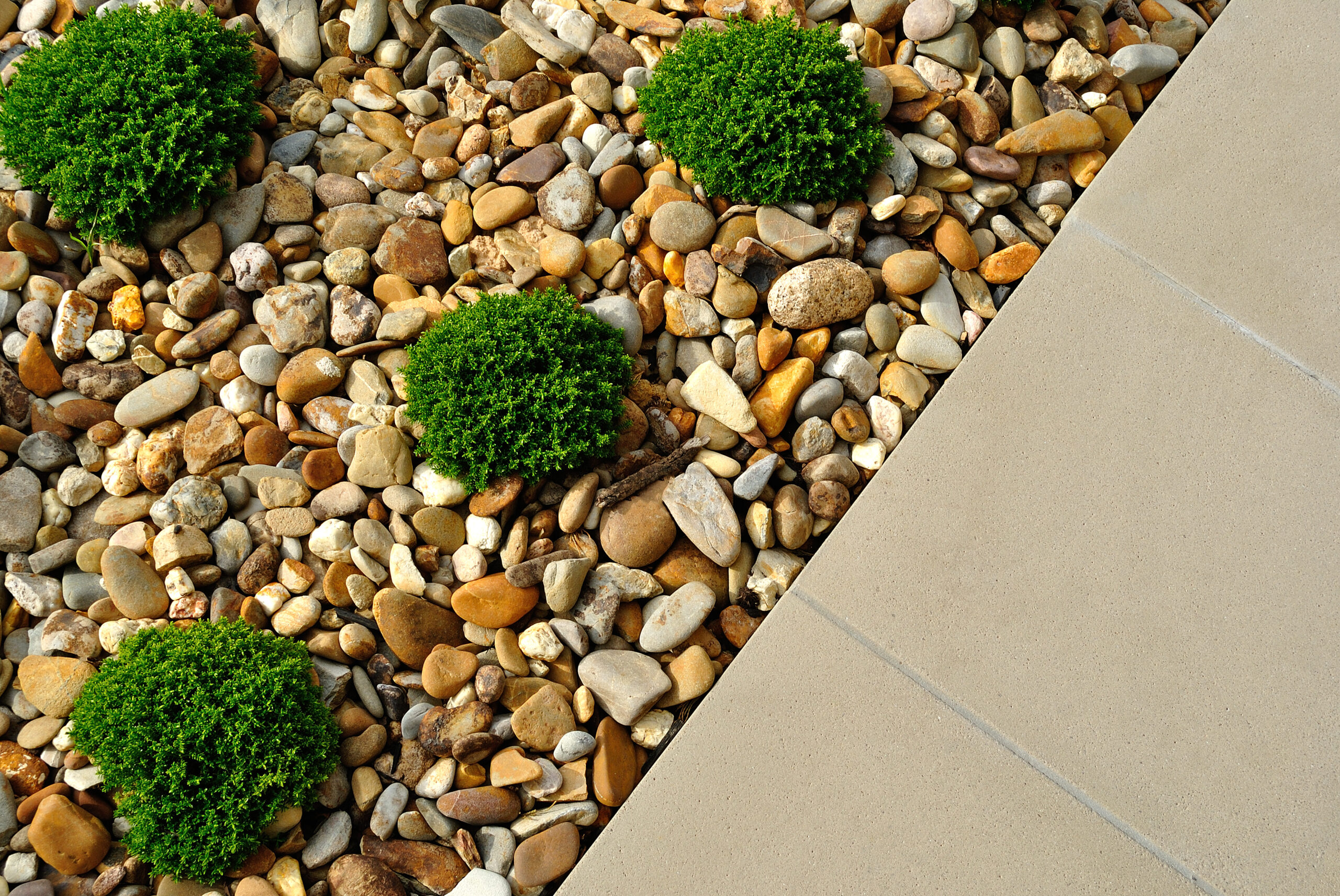
Putting rock border around house foundations is one of the smartest ways to control runoff and keep your basement dry. Done right, a simple stone edge can improve drainage, cut down on mud splatter, and protect your siding and foundation from moisture damage. This guide covers the top 10 rock border ideas, how to choose materials, step-by-step installation, and the best practices Ziggy’s Landscape follows across Southeastern Wisconsin.
If you live in Walworth or Jefferson County, you know heavy rains and freeze-thaw cycles stress a foundation. A well-built rock border reduces that stress by moving water away, preventing erosion, and filtering roof runoff so it soaks into the soil more evenly. Whether you want a quick weekend project or a pro-level system, you will find reliable ideas below.
Why a Rock Border Protects Your Foundation
A rock border works as a buffer between your downspouts, lawn, and foundation. The stones slow fast-moving water from the roof, stop soil from splashing on siding, and encourage drainage away from the house. With the right slope and base, a rock strip also keeps mulch and topsoil from drifting back against the foundation. That means less trapped moisture and fewer pests near your home.
In Southeastern Wisconsin, properly grading the first 10 feet around your house matters. Without the right slope, water lingers near foundation walls, finds cracks, and can seep into basements. Rock borders help maintain a stable grade and tolerate freeze-thaw better than mulch alone.
How Water Moves Around Your Home
Runoff follows gravity and the path of least resistance. Your gutters collect water, downspouts release it, and the soil or hardscape directs it from there. If your soil is compacted, low, or uneven, water can sit right against the foundation. The goal is to build a surface that sheds water away while allowing some infiltration. When putting rock border around house foundations, combine slope, coarse stone, and a fabric layer to create a fast-draining system that holds its shape after storms.
Choosing the Right Rock and Materials
Best rock types for foundation borders
- River rock 1 to 2 inches: Smooth, attractive, drains fast, resists compaction. Great for most homes and safe for siding.
- Crushed stone 3/4 inch: Locks together for stability, excellent underlayment, supports light foot traffic, stable on slopes.
- Pea gravel 3/8 inch: Comfortable to walk on but can migrate. Best when contained with edging and mixed with larger base stone.
- Granite chips 1 inch: Durable and sharp-edged for good interlock. Good for high-flow zones and along driveways.
- Lava rock 1 to 2 inches: Light and decorative, drains well, but can blow around in high winds. Use with solid edging.
Geotextile fabric and edging
Place a non-woven geotextile fabric under the rock to keep soil and rock layers separate and to limit weed growth. The fabric boosts drainage and prevents the stone from sinking into the soil. Strong edging, such as steel, aluminum, concrete curb, or high-grade composite, keeps the border tidy and stops rock from creeping into your lawn.
Plan for slope and downspouts
Build a gentle slope away from the house at 1 inch per foot for at least 5 feet. Keep downspouts extended at least 6 to 10 feet from the foundation or tie them into a buried drain line. If you have heavy clay soil, combine your rock border with a French drain in problem areas.
Top 10 Rock Border Ideas
- Classic river rock strip: Create a 24 to 36 inch wide border of 1 to 2 inch river rock along the foundation. Add fabric and 3 to 4 inches of stone depth. This versatile option manages splash, drains well, and looks clean against any siding color.
- Crushed stone base with pea gravel top: Start with 2 to 3 inches of 3/4 inch crushed stone for structure, then add a 1 inch pea gravel layer for a finished look. Use metal edging to keep the pea gravel in place. Ideal next to walkways and patios.
- Dry creek bed accent: Shape a shallow, meandering trench 2 to 3 feet wide where roof runoff naturally flows. Line with fabric and fill with mixed river rock sizes, from 2 to 4 inches, with a few larger accent stones. This handles heavy rains and adds curb appeal.
- French drain under rock border: Install a perforated pipe wrapped in fabric along the foundation line where water pools. Cover with 3/4 inch stone and top with decorative rock. Direct the pipe to daylight or a dry well away from the home.
- Downspout splash zone with stone apron: Where downspouts discharge, build a 3 to 5 foot stone apron using 1 to 2 inch rock or 2 to 4 inch cobbles. This stops erosion and protects mulch. Pair with a downspout extension for best results.
- Mixed stone and mulch with divider: Use a clean steel or concrete edging strip between a rock border and your landscape beds. Keep mulch on the plant side and stone against the home. This separates materials and avoids wet mulch at the foundation.
- Permeable paver trim over rock base: Add a single or double row of permeable pavers set over compacted 3/4 inch stone along the outer edge of your rock border. It creates a neat walking edge and funnels water into the rock layer below.
- Boulder accents as flow baffles: Place small boulders or large cobbles in targeted spots where water runs fast. They diffuse flow, reduce trenching, and add visual interest along long foundation walls.
- Decorative edging with hidden drain: Combine a high curb or steel edge with a shallow hidden trench behind it. Fill the trench with 3/4 inch stone under the visible rock border. The hidden drain increases capacity while the visible border stays neat.
- Rain barrel overflow rock channel: Capture roof water in a rain barrel, then route overflow into a lined rock swale that directs water away from the house. The swale can curve through a garden and end in a dry well.
Step-by-Step: Installing a Rock Border That Works
- Mark your layout: Plan a 24 to 36 inch wide border, wider near downspouts. Use marking paint or a garden hose to outline.
- Call before you dig: Contact your local utility marking service so you know where lines are. Safety first.
- Excavate and set slope: Remove sod and soil 4 to 6 inches deep. Create a consistent slope away from the house of about 1 inch per foot for at least 5 feet.
- Compact the subgrade: Lightly moisten and compact the soil with a hand tamper or plate compactor. Stable soil prevents settling.
- Install edging: Secure steel, aluminum, composite, or concrete edging along the outside line. This keeps stones from spreading into the lawn.
- Lay geotextile fabric: Cover the excavated area. Overlap seams by at least 8 inches and anchor with landscape staples.
- Add base stone if needed: In soft or wet zones, spread 2 to 3 inches of 3/4 inch crushed stone and compact.
- Place decorative rock: Add 2 to 3 inches of 1 to 2 inch river rock or your chosen stone. Rake to an even depth that stays lower than the siding and any weep holes by at least 4 to 6 inches.
- Manage downspouts: Attach extensions 6 to 10 feet long or connect to a perforated pipe within the rock border that leads to a safe discharge point.
- Finish grade to lawn: Feather the outer edge of the rock border so the lawn is slightly lower than the stone. This encourages water to keep flowing away from the house.
- Rinse and settle: Lightly rinse the rock to remove dust and help stones settle. Top off low spots if needed.
- Inspect during first rain: Watch how water moves and adjust downspouts or add more stone where flow is heavy.
Common Mistakes to Avoid
- Placing rock too high against siding or over weep holes. Keep at least 4 to 6 inches of clearance.
- Skipping fabric underlayment. Without it, stones sink and weeds take over.
- Using tiny pea gravel without edging. It will scatter into your lawn and clog soil.
- Relying on rock without fixing grade. Always set slope first.
- Ending downspouts right at the border. Extend them well past the foundation.
- Mixing mulch into rock areas. It decomposes, traps moisture, and invites pests.
- Ignoring clay soil limits. In heavy clay, add a French drain where water lingers.
Maintenance and Seasonal Tips
- Spring checkup: Remove leaves, sticks, and seedpods that collect in the rock. Clear out any sediment near downspouts.
- Top off low spots: Add fresh stone if the border settles or bare fabric shows.
- Weed control: Pull weeds by hand or treat sparingly. Healthy fabric prevents most growth.
- Gutter care: Clean gutters and check for leaks twice a year. It greatly reduces erosion at the rock border.
- Snow season habits: Pile snow away from the foundation when possible. Avoid heavy salt near metal edging.
- Regrade as needed: After major storms or freeze-thaw cycles, verify the slope still sheds water away from the house.
Costs, Timeline, and DIY vs Pro in Southeastern Wisconsin
For a typical home in Walworth or Jefferson County, a simple river rock border that is 24 to 36 inches wide often ranges from 12 to 28 dollars per linear foot installed. Costs vary with excavation depth, edging type, and whether you add a French drain. DIY material costs can run 4 to 12 dollars per linear foot for rock, fabric, and basic edging, plus tool rental. Most borders take one to two days for a small home and three to five days for larger or complex layouts.
Choose DIY if the area is small, access is easy, and grading is minor. Hire a pro like Ziggy’s Landscape if you have uneven grades, heavy clay, water pooling, or basement leaks. Our team can evaluate drainage patterns, size rock properly, and integrate downspout solutions. We also handle finish grading to protect your foundation through Wisconsin’s freeze-thaw cycles.
Why Choose Ziggy’s Landscape
Ziggy’s Landscape is a local, professional landscaping company serving Southeastern Wisconsin, including Walworth and Jefferson counties. We design and install rock borders, regrade soil for proper drainage, and integrate solutions like French drains and dry creek beds. Our crews also provide lawn mowing, mulch application, new lawn installation with seed or sod, seasonal clean-ups, and winter snow removal. That full-service approach means your project ties together smart drainage, healthy turf, and neat beds that last.
We work with your budget and tailor materials to your home. If you want a clean river rock edge, a durable crushed stone base, or a decorative dry creek bed, Ziggy’s Landscape will guide you on the right sizes, fabrics, and edging so your foundation stays protected year-round.
FAQs About Rock Borders and Foundation Drainage
How wide should a rock border be?
Most homes do well with a 24 to 36 inch wide strip. Go wider near downspouts or on sides that get heavy runoff. The extra width gives water room to slow down and filter.
How deep should the stone layer be?
Plan for 3 to 4 inches of stone above fabric, or 5 to 6 inches if you include a crushed stone base. Deeper sections are useful under downspouts and in wet zones.
Is river rock or crushed stone better?
River rock looks great and drains fast. Crushed stone locks together and handles foot traffic well. Many homeowners use crushed stone as a base with river rock on top. Ziggy’s Landscape can help you choose based on your soil and style.
Do I still need gutters and downspout extensions?
Yes. A rock border works best when gutters are clean and downspouts push water away from the house. Extensions of 6 to 10 feet are ideal. In tough spots, consider a French drain under the border.
Will a rock border invite pests?
Compared to mulch against a foundation, rock usually attracts fewer pests. Keep the stone below the siding, seal gaps around utility lines, and avoid stacking rock higher than needed.
Can I add plants near the rock border?
Yes, but keep most plants outside the rock strip to maintain airflow along the foundation. Low-maintenance grasses and perennials can thrive just beyond the edged border.
Putting Rock Border Around House Foundations the Right Way
The best results come from a balanced plan: correct slope, solid edging, the right stone sizes, and clean water routing from gutters to safe discharge points. When putting rock border around house foundations, think of the system as a full pathway from roof to soil. That mindset prevents standing water, protects siding, and keeps basements dry.
If you prefer a pro installation, Ziggy’s Landscape has the tools and local experience to do it right the first time. We blend great looks with function, from river rock edges to full dry creek beds and French drains. Our finish grading ensures water flows where it should, even after hard rains and winter thaw.
Schedule a Site Visit With Ziggy’s Landscape
Ready to stop foundation water issues and refresh your curb appeal? Contact Ziggy’s Landscape for a site evaluation in Walworth or Jefferson County. We will assess grading, downspouts, soil type, and trouble spots, then design a rock border that fits your home and budget. Protect your investment and enjoy a cleaner, drier foundation this season.
Meta description: putting rock border around house foundations? Discover the top 10 ideas to stop foundation water issues, pick the right materials, and install—protect your home now.