
Why Jefferson homeowners choose a rock around house border
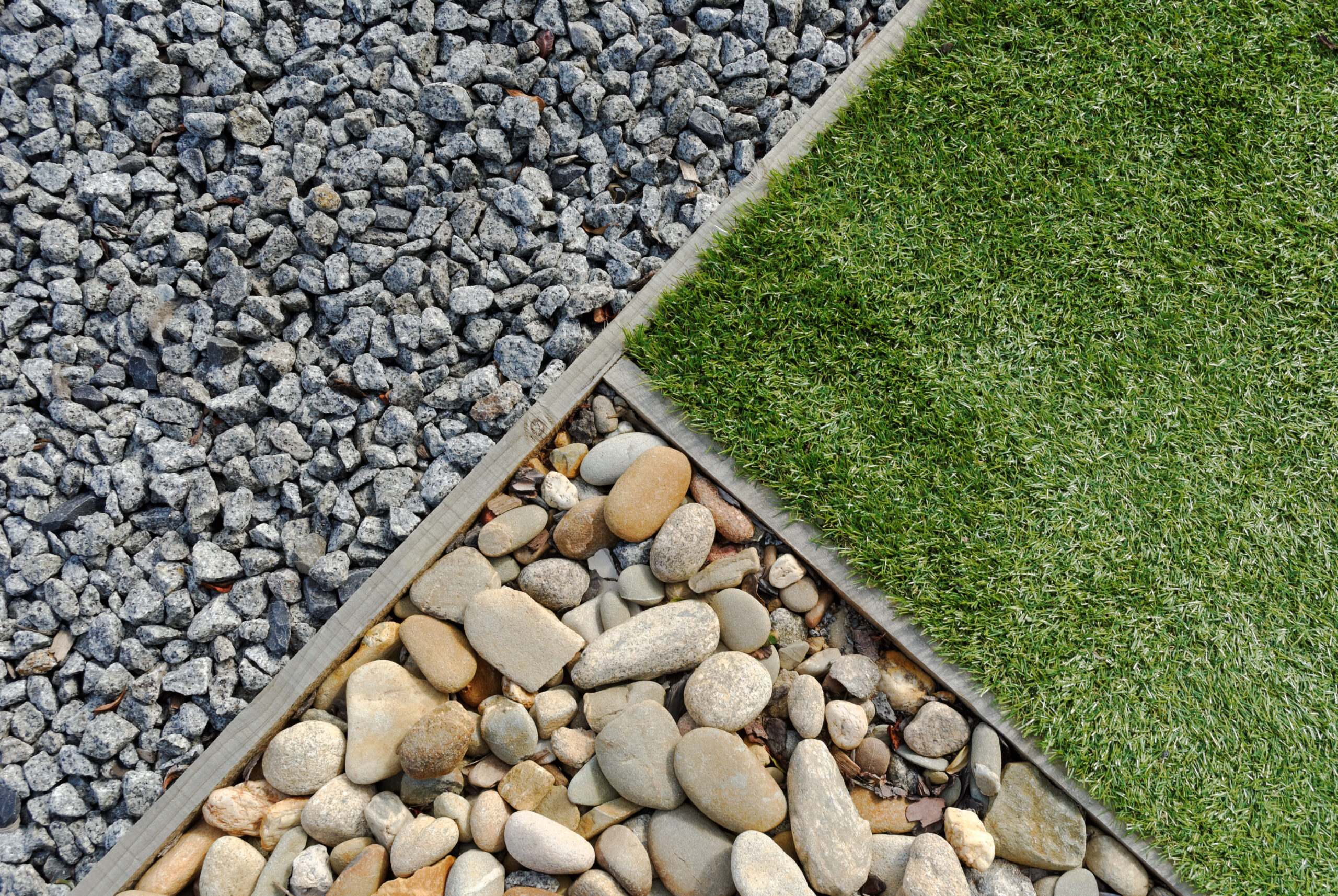
If you live in Jefferson or nearby communities in Southeastern Wisconsin, you know how fast lawns grow in summer and how messy spring melt can be. A smart, attractive rock around house border can solve both issues at once. It cleans up the look of your foundation, reduces weeding, and helps manage water during storms and snowmelt. It is one of the simplest ways to boost curb appeal while improving function. At Ziggy’s Landscape, we help Jefferson and Walworth County homeowners plan, install, and maintain borders that look great and drain right, season after season.
- Cleaner, sharper curb appeal around the foundation
- Better drainage and splash control during storms
- Lower maintenance than mulch along the house
- A tidy buffer that protects siding and helps deter pests
- A long-lasting solution that pairs well with plants, mulch, and pavers
Unlike mulch that fades and blows away, a rock border holds its shape and color. Done right, it can also guide water away from your foundation and prevent soil from splashing onto siding. For Jefferson homes on clay or mixed soils, that drainage boost matters.
What a rock around house border is and how it works
A rock around house border is a strip of stone placed along the base of your home. It can be a simple 12 to 24 inch band or a wider zone that ties into beds and walkways. The border sits on compacted soil or a compacted base, usually with a weed barrier below. The surface rock does more than look neat. It breaks the force of rain hitting the ground, keeps soil from splashing on your foundation, and allows water to filter into the soil at a controlled rate.
In Jefferson County, a rock border often works best when combined with proper grading and downspout extensions. The goal is to create a clean buffer that sheds water away from the house while staying low-maintenance. Ziggy’s Landscape can assess the slope, soil, and existing beds to build a border that suits your home and your budget.
Best stone options for a clean, durable foundation border
Popular rock types for Southeastern Wisconsin
- Washed river rock. Smooth and rounded, available in mixed earth tones. Looks natural and reduces tracking. Great for a polished look around the foundation.
- Crushed limestone. Angular and stable, often in light gray or buff. Locks together well and resists shifting. Works well where you need crisp edges and firm footing.
- Pea gravel. Small and comfortable underfoot. Affordable and easy to rake, though it can migrate more than larger stone. Best with solid edging.
- Granite chips or trap rock. Darker gray, highly durable, and a bold contrast to light siding. Holds its place well in freeze-thaw cycles.
- Marble or white chips. High contrast, modern look. Shows leaves and dirt more, so plan for a little extra maintenance.
For most Jefferson homes, 3/4 inch washed gravel or river rock gives the best balance of stability and good looks. Crushed limestone is a close second if you prefer a firmer, interlocking surface. Ziggy’s Landscape can bring samples so you can see color and size against your siding and brick.
Picking the right size and depth
- Stone size. 3/4 inch is the most versatile. Go up to 1 to 1.5 inches if you need heavier rock that stays put in high water flow zones. Choose 3/8 inch pea gravel for a softer look but add sturdy edging.
- Depth. Plan on 2 to 3 inches of finished stone depth. In areas with heavy runoff, go to 4 inches. Too shallow and weeds push through. Too deep and rock can shift.
- Width. A standard border is 18 to 24 inches wide. Wider bands of 30 to 36 inches can handle downspout splash or create a walkway-like strip next to the house.
If you are replacing mulch around the foundation, match the existing bed lines and step the rock depth up gradually from the lawn. This creates a neat transition and prevents tripping.
Drainage-savvy design for Jefferson homes
Our area sees heavy summer storms, steady spring melt, and plenty of freeze-thaw cycles. A good rock around house border needs more than stone. It needs the right slope, fabric, and downspout planning so water flows away from your foundation. Ziggy’s Landscape specializes in finish grading, so we start every border by checking how your yard sheds water. We aim for about a 5 percent slope away from the foundation for at least 5 to 10 feet where space allows.
Use woven landscape fabric under the rock to block weeds while letting water pass. Avoid plastic sheeting that traps water against the foundation. If downspouts dump a lot of water, extend them 6 to 10 feet or use an underground drain line, then finish the surface with rock for a seamless look.
Step-by-step plan to install a rock around house border
- Call 811 to mark utilities before any digging.
- Sketch the border width and shape. Aim for 18 to 24 inches and wider near downspouts.
- Check slope. Target about 1 inch of drop per 8 to 10 feet away from the house. Adjust grading as needed.
- Remove existing mulch, sod, and roots. Dig to the depth needed for fabric, base, and finished rock.
- Compact the soil. A firm base keeps stone from settling unevenly.
- Install edging. Use steel, aluminum, paver soldier course, or concrete curb to contain the rock.
- Lay woven landscape fabric. Overlap seams by at least 6 inches and pin every 2 feet.
- Add a compacted base if needed. For heavier traffic or poor soil, a thin layer of compacted gravel helps stability.
- Place rock and rake level. Keep rock below the top of edging for a clean line.
- Create splash pads under downspouts. Use larger rock or a small hidden basin under the stone layer.
- Rinse and settle. Lightly hose to wash dust and help stone nestle into place.
- Final check. Confirm slope, tidy edges, and leave 6 to 8 inches of exposed foundation above rock.
If that sounds like a lot, Ziggy’s Landscape can manage the entire process in one to two days for most homes, including debris haul-away and a clean finish.
Clean foundation border style ideas you can use
Neutral river rock for a timeless look
Choose mixed earth tone river rock in 3/4 inch size and a 24 inch wide band. Pair with dark metal edging for a crisp line. Add two or three low-maintenance shrubs and a few ornamental grasses spaced apart so the rock remains the hero. This simple approach fits most Jefferson neighborhoods and works well with vinyl or brick siding.
Contrast band with mulch and stone
Keep a 12 to 18 inch stone strip along the foundation for drainage, then transition to dark brown mulch farther out in the bed for softer plantings. The dual material design makes maintenance easier. The rock stays clean near the house and the mulch enriches soil under perennials and shrubs.
Downspout splash zones that disappear
To avoid ugly splash pads, install a hidden catchment under a larger stone pocket. Use 1 to 1.5 inch rock in a 3 by 3 foot square where downspouts discharge, then tie the area into your normal 3/4 inch border so it blends. Add an underground drain line if needed and cover the entry with rock to keep the look seamless.
Pollinator-friendly pockets in rock
If you want color, cut X openings in the fabric and plant drought-tolerant perennials in clusters. Bee balm, black-eyed Susan, sedum, and catmint handle the heat reflected off stone. The rock acts like mulch while showcasing plants. Keep plants at least 6 to 8 inches from the foundation for airflow.
Low-profile borders for small lots
In tight Jefferson lots, keep the border 12 to 18 inches and use lighter color stone to brighten shaded sides of the house. Add narrow repeating plants like boxwood or small grasses to create rhythm without crowding. The result is neat, calm, and easy to maintain.
Edging, weed control, and seasonal care
Edging options that hold the line
- Steel or aluminum edging. Sleek and durable, great for clean lines.
- Paver or brick soldier course. Classic look that matches walkways and adds weight.
- Concrete curb. Permanent and strong, especially good on slopes.
- High-quality plastic. Cost-effective, but choose rigid types with sturdy stakes.
- Natural stone border. Rustic and heavy, ideal for cottage styles.
Edging is not just about looks. It prevents stone from creeping into the lawn and keeps mowing simple. Ziggy’s Landscape can match the edging style to your home and the traffic in your yard.
Weed barrier dos and do nots
- Do use woven landscape fabric, not plastic sheeting.
- Do overlap fabric seams by 6 inches and pin enough to prevent bubbles.
- Do cut neat X openings for plants and pin around cuts so fabric stays flat.
- Do keep rock below siding and maintain at least 6 to 8 inches of visible foundation.
- Do not pile rock against wood or vinyl. Leave space for airflow and inspections.
- Do not skip edging if using small stone like pea gravel.
Seasonal maintenance in Wisconsin
- Spring. Rake or blow out leaves, check edging stakes, and top off thin spots.
- Summer. Pull any new weeds early before roots get deep. Spot spray only if needed.
- Fall. Clear leaves so they do not compost into soil that invites weeds.
- Winter. Avoid dumping heavy snow onto the rock border to reduce stone displacement. Use pet-safe and plant-safe ice melt near beds.
Most rock borders need only a light top-off every few years. Compared to mulch, that is a big time and cost savings.
Common mistakes to avoid
- Choosing stone that is too small without solid edging. It migrates into the lawn.
- Going too shallow. Less than 2 inches invites weeds and looks patchy.
- Ignoring slope. Flat or back-sloped borders can trap water near the foundation.
- Using plastic sheeting. It blocks drainage and can push water toward the basement.
- Burying the bottom of siding. Moisture and pests can hide where you cannot see them.
- Skipping downspout extensions. Even a great border cannot fix concentrated water flow.
- Forgetting fabric overlaps and pins. Gaps lead to weeds and shifting stone.
- Overfilling to the top of edging. Stone spills out and looks messy after the first rain.
- Not calling 811. Utility surprises are costly and dangerous.
Budget and timeline
Costs vary based on stone type, edging, access, and site grading. As a rough guide, many Jefferson homeowners invest a few dollars per square foot for a simple border with standard 3/4 inch stone and basic edging. Upgrades like steel edging, concrete curbing, or underground downspout drains add to the price but also add durability and performance. Most single-family projects take one to two days with a professional crew, including removal of old mulch, proper grading, fabric installation, edging, and fresh stone.
Ziggy’s Landscape provides clear estimates with options. We can scale the design to fit your budget, start with priority sides of the house, or phase the work over two visits. We also offer maintenance services so your border stays neat without extra effort from you.
Real-world ideas from Jefferson and Walworth County
Fort Atkinson ranch. A 24 inch crushed limestone border replaced faded mulch. We regraded for a gentle slope away from the home, installed steel edging, and extended two downspouts underground. The result was clean, bright, and low-maintenance. The homeowner reports fewer basement musty odors after storms.
Lake Mills lakefront. We blended the rock around house band with a wider natural bed using river rock and native grasses. Larger rock pockets sit under downspouts for hidden splash control. The look matches the shoreline vibe and handles heavy wind and rain off the lake.
Elkhorn two-story. A dark granite chip border created sharp contrast with white siding. We used a paver soldier course to match the front walk and planted sedum clusters through the fabric. The border stays tidy even with active kids and frequent snow shoveling.
These examples show how color, size, and edging shape the final look. Ziggy’s Landscape can recommend combinations that match your home style and the way you use your yard.
How Ziggy’s Landscape can help
Ziggy’s Landscape is a local, professional landscaping company serving Walworth and Jefferson counties from Southeastern Wisconsin. We design and build rock around house borders that look great and solve drainage challenges. Our team also handles regular lawn mowing, new lawn installation with seed and sod, mulch application, finish grading, spring and fall clean-ups, and snow removal. That full-service approach means we can keep your property tidy and safe year-round.
When you contact Ziggy’s Landscape, we start with a walkthrough to understand your goals and site conditions. We measure slopes, check downspouts, and suggest rock types and edging that fit your budget. You will receive a clear plan with a timeline. Installation is neat and efficient, and we dispose of old materials. After the project, we can set up seasonal care for weeding, top-offs, and bed refreshes so your foundation border stays crisp.
If your yard needs more than a rock border, Ziggy’s Landscape can integrate new sod or seed, reshape planting beds, and add mulch in other areas for a cohesive property upgrade. Our finish grading expertise gives you confidence that water moves away from the house, not toward it.
Frequently asked questions
- Q: How wide should a rock around house border be? A: Most Jefferson homes look and perform best with 18 to 24 inches. Go wider near downspouts or where you want a walkable edge.
- Q: Do I need fabric under the rock? A: Yes. Use woven landscape fabric to block weeds while allowing water and air to pass. Avoid plastic sheeting.
- Q: What stone size works best? A: 3/4 inch stone is the most versatile. It stays put better than pea gravel and looks clean around foundations.
- Q: Will a rock border help drainage? A: It helps when paired with proper grading and downspout extensions. Ziggy’s Landscape can assess and adjust slope as needed.
- Q: How much maintenance will it need? A: Light leaf cleanup and spot weeding a few times a year. Plan a small top-off every few years to keep the depth consistent.
- Q: Can I plant through the rock? A: Yes. Cut X openings in the fabric and plant drought-tolerant, sun-loving plants. Keep plants a few inches from the foundation.
- Q: Is limestone safe next to my foundation? A: Yes. It is common in our area and very stable. If you want a softer look, choose washed river rock.
- Q: How long does installation take? A: Most projects finish in one to two days. Larger sites or complex drainage upgrades can take longer.
Get started on your rock border today
If you want a clean, durable rock around house border that fits Jefferson homes and Wisconsin weather, Ziggy’s Landscape is ready to help. We combine smart drainage design with materials that match your home and style. From concept to clean-up, you get a professional process and results that last. Schedule a site visit, see stone samples at your foundation, and get a clear, tailored plan. Your neat, low-maintenance foundation border starts here with Ziggy’s Landscape.