
Quick Answer for Wisconsin Homeowners
Choosing between seeding and sod for a new Wisconsin lawn depends on your timeline, budget, and site conditions. Seed is budget friendly and offers rich variety, but it needs patience and careful watering. Sod gives you an instant green yard and controls erosion well, but it costs more and still needs early care. In Southeastern Wisconsin, fall is usually the best time for both options, with spring as a close second. If you want help deciding or you want a turnkey installation, Ziggy's Landscape serves Walworth and Jefferson counties with expert grading, seeding, and sod installation that match local soils and weather.
Seeding and Sod Basics
What is Seeding?
Seeding means spreading grass seed on prepared soil and nurturing it until it establishes. It lets you choose a custom mix suited to shade, sun, and foot traffic. It also grows deep roots in your soil from day one. Seed takes longer to fill in and can be vulnerable to weeds and washouts if the site is not stabilized. With the right prep and timing, seeding creates a lasting lawn that adapts well to Wisconsin’s seasons.
What is Sod?
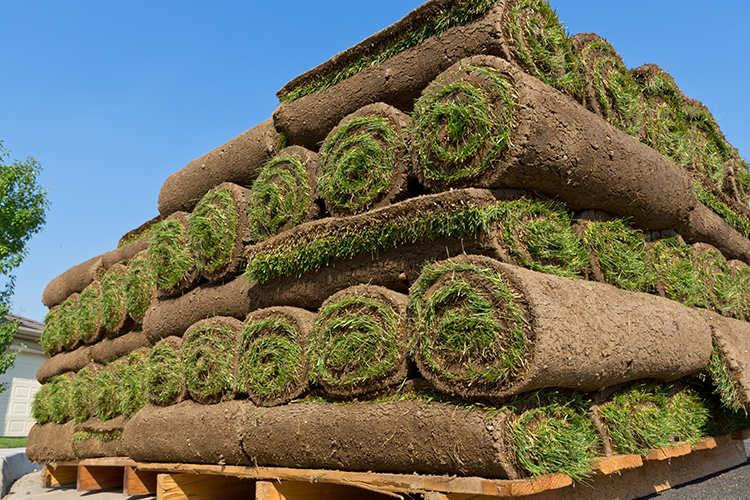
Sod is mature turf grown on a farm, cut with a thin layer of soil, and rolled out like a carpet on your prepared yard. It looks finished the day it is installed and protects bare soil right away. Sod needs careful watering during the first few weeks while it roots into your soil. It is more expensive than seed, but it is the fastest path to curb appeal.
Best Grass Types for Wisconsin
Cool season grasses perform best in our region. Most new lawns use a mix of:
- Kentucky bluegrass for color, density, and self-spreading habit
- Perennial ryegrass for quick germination and wear tolerance
- Fine fescues for shade and low input areas
Many sod farms in Southeastern Wisconsin grow Kentucky bluegrass. For seed, Ziggy's Landscape often blends bluegrass with ryegrass and fine fescue to match your sun, shade, and traffic needs.
Pros and Cons at a Glance
Seeding Pros
- Lower upfront cost for materials
- Wider choice of blends to fit sun, shade, and soil
- Deep root development from the start
- Easier to repair and overseed in future seasons
Seeding Cons
- Slower to see full coverage
- Needs strict watering and weed control in year one
- Vulnerable to washouts on slopes without erosion control
- Timing is critical for best results
Sod Pros
- Instant green lawn and immediate erosion control
- Usable sooner once roots establish
- Fewer early weeds if soil was prepped well
- Predictable variety and uniform look
Sod Cons
- Higher material and labor cost
- Limited to available sod varieties
- Requires consistent watering for rooting
- Seam lines can dry out if not watered evenly
Cost Comparison in Southeastern Wisconsin
Costs vary by site size, access, grading needs, and chosen products. As a general guide for materials only, grass seed blends often range from 0.10 to 0.25 per square foot. Sod can range from 0.35 to 0.85 per square foot for material, with added delivery and installation. Most new lawns also need topsoil, finish grading, and a starter fertilizer. When you include site preparation, you may see total installed costs that are several times higher than materials alone.
What affects final price:
- Finish grading and drainage corrections
- Topsoil depth, soil amendments, and compaction
- Access for equipment and delivery
- Erosion control on slopes or around lakefronts
- Water access for establishment
Ziggy's Landscape offers both seeding and sod packages and can tailor the scope to your budget. We provide clear estimates for Walworth and Jefferson county properties so you understand each line item before work begins.
Timing in Wisconsin Climate
Our climate favors cool season grass growth in spring and fall when soil is moist and air temperatures are moderate.
Best Time to Seed
- Fall window: mid August through late September, before hard frost
- Spring window: mid April through late May, once soil is workable
Fall seeding is ideal because soil is warm, nights are cooler, and weed pressure drops. Spring seeding works but often needs more weed management and watering through summer heat.
Best Time to Lay Sod
- Spring through fall when ground is not frozen
- Avoid the hottest weeks unless you can water often
Sod can be installed during a wider range of dates, but rooting is fastest in spring and early fall. In Southeastern Wisconsin, plan for consistent irrigation the first 2 to 3 weeks after installation.
Site Conditions That Favor Each Option
Choose Seeding If
- You have time to wait for full coverage
- You want a custom blend for sun, shade, or low maintenance goals
- You prefer lower upfront cost
- Your site is not steep or has erosion control in place
Choose Sod If
- You need instant erosion control, especially on new construction sites
- You want a finished look right away
- You have a tight timeline for move in, events, or home sale
- You can commit to frequent watering during the first weeks
For many properties, a hybrid approach works well. Sod the front yard and slopes for immediate curb appeal and erosion control. Seed the backyard or large open areas to manage budget. Ziggy's Landscape can plan a combined seeding and sod strategy so your property looks great and stays within your goals.
Step by Step: How Ziggy's Landscape Installs Seed or Sod
Seeding Process
- Site assessment. We check grades, drainage, sun and shade, and soil texture common to Southeastern Wisconsin, including clay loams and compacted subsoils.
- Finish grading. We reshape and smooth for proper runoff away from foundations and hardscapes.
- Soil improvement. We loosen compacted areas, add screened topsoil if needed, and incorporate organic matter or lime based on pH tests.
- Seed selection. We match a blend of Kentucky bluegrass, perennial ryegrass, and fine fescues to your conditions and use certified, weed free seed.
- Seeding. We apply seed at the correct rate, then rake or drag lightly to ensure good seed to soil contact.
- Starter fertilizer. We use a product suitable for new lawns. Wisconsin’s fertilizer law limits phosphorus, but new lawns may use a starter with phosphorus to support rooting.
- Stabilization. On slopes, we apply straw or erosion control blankets to prevent washouts.
- Watering plan. We set up a schedule and show you how to keep the top inch of soil consistently moist until germination.
Sod Installation Process
- Prep and grading. We correct drainage and ensure a smooth, firm base with about 4 to 6 inches of quality topsoil.
- Soil moisture. We lightly moisten the soil just before laying sod for instant contact.
- Staggered layout. We lay sod in a brick pattern, tightly but without stretching, and trim clean edges along walkways and beds.
- Rolling. We use a roller to press roots into the soil and remove air pockets.
- Starter fertilizer and watering. We apply a balanced starter and begin frequent, light irrigation to keep sod and soil moist.
- Follow up. We check seams, edges, and corners and adjust watering to promote even rooting.
Aftercare: Watering, Mowing, and Fertilizing
Watering Guidelines
- Seeded lawns: Keep the top 1 inch of soil moist until most seeds sprout. This can mean light watering 2 to 4 times per day for 2 to 3 weeks. After germination, shift to deeper, less frequent watering to reach 4 to 6 inches deep. Aim for about 1 inch of water per week from rain and irrigation combined.
- Sodded lawns: Water right after install. For the first 10 to 14 days, keep sod and soil consistently moist. Lift a corner after a week to check rooting. Once roots grab, reduce frequency and increase depth. Avoid soggy conditions.
Mowing
- Seeded lawns: Mow when grass reaches about 3.5 to 4 inches. Cut to 3 inches, never removing more than one third at a time.
- Sod lawns: Mow once the sod is well rooted and reaches 3.5 to 4 inches. Use a sharp blade to avoid tearing.
Fertilizing and Weed Control
- Starter fertilizer at install, then light feeding again 4 to 6 weeks later if needed.
- Avoid most weed control products on new seedlings until the lawn has been mowed 3 to 4 times. For sod, wait until it is well rooted.
- Follow Wisconsin fertilizer rules. Use phosphorus only for new lawns or if a soil test shows deficiency.
Ziggy's Landscape can set up a seasonal care plan so your new lawn stays healthy through summer heat and winter freeze.
Common Mistakes to Avoid
- Skipping finish grading. Poor drainage leads to thin grass and ice problems.
- Planting at the wrong time. Late fall or midsummer heat makes establishment harder.
- Over or under watering. Seed dries out quickly, and sod can fail to root if it is not kept moist early on.
- Using the wrong seed for shade. Choose blends with fine fescue where trees block light.
- Neglecting erosion control on slopes. Use blankets or sod to lock soil in place.
- Cutting too short. Mowing at 3 inches helps shade soil and reduce weeds.
Frequently Asked Questions in Walworth and Jefferson Counties
How soon can I use my lawn after seeding and sod?
With sod, light foot traffic is okay once it is rooted, usually after 2 to 3 weeks. Wait 3 to 4 weeks for active play. With seed, limit use for the first 6 to 8 weeks. Heavy play can wait until the lawn has been mowed several times and thickened.
Will weeds be a problem?
Some weeds are normal with both options. Sod usually has fewer early weeds if soil prep is good. Seeded lawns can see more early weeds, especially in spring. Mow high, water correctly, and consider targeted weed control after the lawn is established. Ziggy's Landscape can guide you on safe timing.
What if my yard has clay soil?
Clay is common in Southeastern Wisconsin. Good prep makes a big difference. We loosen compaction, add quality topsoil, and consider organic matter to improve structure. Both seeding and sod can thrive with proper grading and soil improvement.
How do I protect seed from washing away?
Use erosion control blankets on slopes and straw on flats. Water gently to avoid runoff. Install small check dams in swales. For steep areas, consider sod for better immediate hold.
Is a split approach a good idea?
Yes. Many homeowners sod high visibility areas and seed the rest. This balances speed and cost while protecting soils in key spots. Ziggy's Landscape designs blended plans often for lakefront properties, new builds, and busy households.
How to Choose: A Simple Checklist
- Timeline: Need an instant lawn for a sale or event? Choose sod. Can you wait a season? Seed works well.
- Budget: Want the most square footage per dollar? Choose seed. Want maximum impact right now? Choose sod.
- Slope and erosion: Slopes and lakefronts favor sod or seeded areas with erosion blankets.
- Shade: Use seed mixes with fine fescue for heavy shade. Sod varieties are often sun loving bluegrass.
- Water access: Both options need steady water early. Ensure a plan for the first 3 to 4 weeks.
- Maintenance style: Prefer a custom blend and long term root depth? Seed is a strong choice.
Why Choose Ziggy's Landscape
Ziggy's Landscape is a local, professional team serving Walworth and Jefferson counties. We understand Southeastern Wisconsin soils, weather, and building practices. Our crews handle every step from site evaluation and finish grading to installing seeding and sod. We tailor grass blends, plan drainage, and set up realistic care schedules that fit your life and budget.
Beyond new lawns, Ziggy's Landscape provides regular mowing, mulch application, seasonal clean ups in spring and fall, and snow removal during winter. That means we can support your property year round. If you need a full refresh, we can regrade for proper drainage, protect shorelines and slopes, and maintain your lawn through its first seasons so it fills in strong.
We focus on clear communication and options. You will get a detailed estimate that outlines materials, prep work, and timelines. Whether you choose sod, seed, or a mix of both, we install it right and stand behind our work.
Get a Local Estimate
If you are comparing seeding and sod for a new Wisconsin lawn, start with a site visit. Ziggy's Landscape will walk your property, check grades, sun and shade, and soil, then design a plan that meets your goals. We serve homeowners and businesses across Walworth and Jefferson counties and are ready to help you build a healthy, beautiful lawn that lasts. Contact Ziggy's Landscape to schedule your estimate and choose with confidence.