
Turn bare soil into a lawn you love, fast
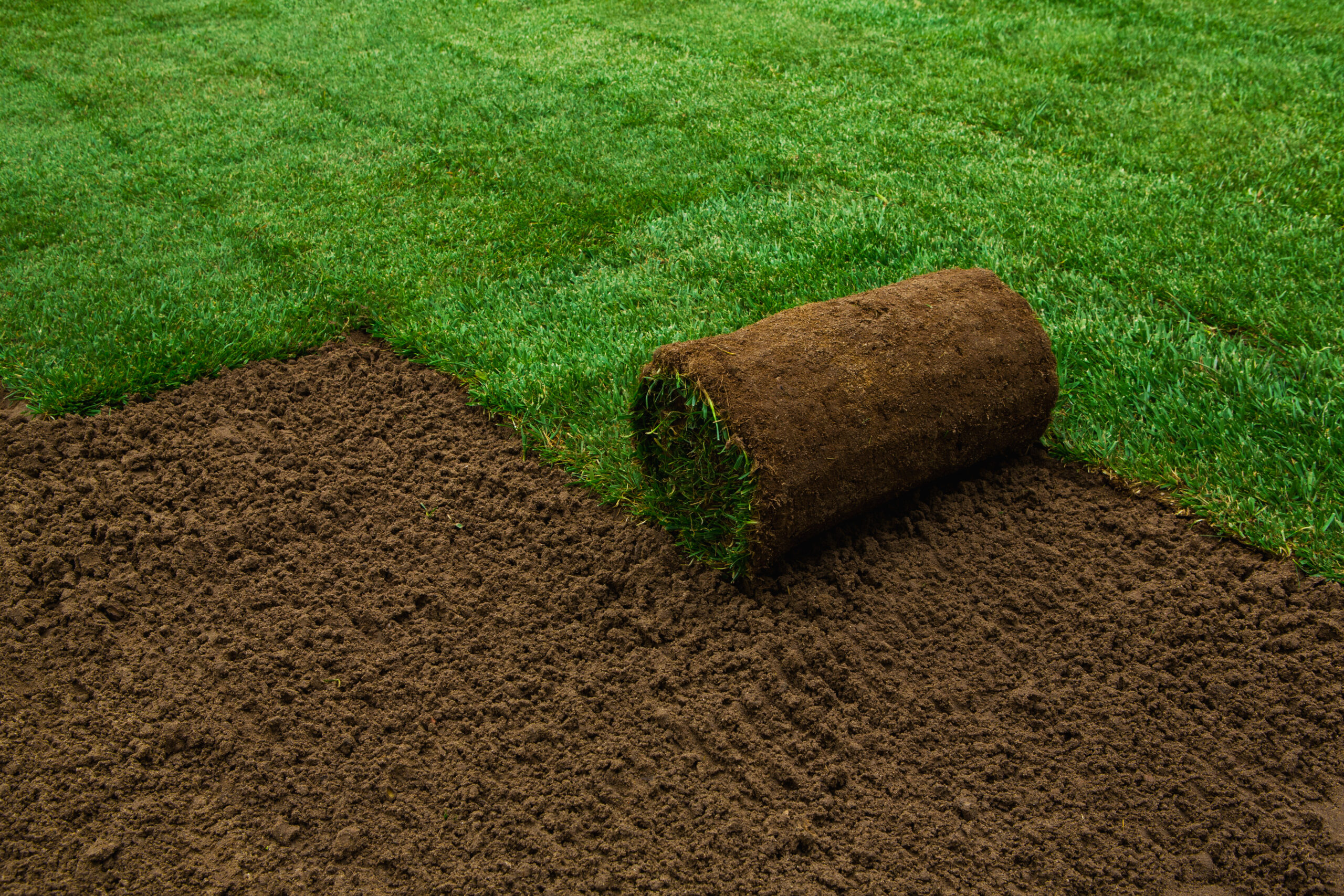
Sod installation Lake Geneva made simple begins with smart prep, the right grass blend, and a clear watering plan. With the right approach, new sod roots quickly, stays green through Wisconsin’s weather swings, and looks mature in weeks. Ziggy’s Landscape serves Walworth and Jefferson counties with expert sod and seeding, grading for proper drainage, and full lawn care support. Use this step-by-step to understand the process, then book your installation so you can enjoy a lush lawn without the long wait.
Why choose sod for Lake Geneva properties
Our climate in Southeastern Wisconsin favors cool-season turf that thrives in spring and fall and tolerates summer heat with proper care. Sod gives you an instant green yard with fewer weeds and less erosion compared to seeding. It also stabilizes sloped areas near driveways and lake-facing lots where heavy rains can wash seed away. Whether you manage a vacation home that needs fast curb appeal or a full-time residence that calls for a durable play surface, sod installation Lake Geneva is the quickest path to a finished lawn.
What makes Ziggy’s Landscape a strong choice
Ziggy’s Landscape is a local, professional team that understands the soils, slopes, and drainage patterns around Lake Geneva, Whitewater, Elkhorn, and nearby communities. We tailor each project to your site and your budget, and we stand behind our work from grading to first mow. Here is how we deliver results:
- Local expertise in Walworth and Jefferson counties with cool-season grass blends suited to Wisconsin
- Finish grading that promotes proper drainage away from foundations and walkways
- Complete installation services, including removal of old turf and debris
- Clear watering and mowing guidance that fits the season and your schedule
- Ongoing support such as lawn mowing, seasonal clean-ups, mulch, and snow removal
Step-by-step: our proven method for fast root take-off
Step 1: Site assessment and planning
Every successful sod installation starts with a thorough site check. Ziggy’s Landscape reviews sun and shade patterns, soil texture, compaction, and slopes that affect water flow. If needed, we recommend a basic soil test to check pH and nutrient levels. We mark utilities, plan access points, and map irrigation coverage if you have a sprinkler system. This planning ensures your sod is matched to the site and installed without delays.
Step 2: Remove existing growth and debris
We strip away existing grass, weeds, and roots so new sod contacts clean soil. Skipping removal can block roots from bonding, so this step is essential. After sod cut-out, we clear stones, sticks, and construction debris. For lawns with compacted subsoil, we loosen the top few inches to promote deep rooting.
Step 3: Rough grade for drainage
Water should never pool on your lawn or flow toward your home. Ziggy’s Landscape establishes correct slopes and contours that move water to safe drainage areas. This protects foundations and prevents soggy spots that stress new sod.
Step 4: Soil improvement and final grade
Healthy sod needs a supportive soil base. We add screened topsoil where necessary and blend compost to increase organic matter. If pH is low, we may recommend lime; if phosphorus is low, we incorporate a starter fertilizer according to soil test results. Then we fine grade the surface, creating a smooth, firm, and level finish that sets the stage for tight seams and even mowing.
Step 5: Choose the right sod
For sod installation Lake Geneva, cool-season blends such as Kentucky bluegrass with a touch of perennial ryegrass are popular. Bluegrass offers dense, repairable turf with excellent cold tolerance. Ryegrass speeds establishment and adds durability. In shady areas, fine fescue blends may be recommended. Ziggy’s Landscape sources fresh, local sod to ensure quick rooting and a consistent look across your yard.
Step 6: Delivery timing and staging
Sod is a living product. We schedule delivery for cool parts of the day and install immediately. Pallets are staged close to work zones to reduce handling time. Fresh sod that is installed fast stays green and accepts water well.
Step 7: Proper laying technique
Good technique locks seams tight, avoids air pockets, and sets your lawn up for strong roots. Our crew follows this sequence:
- Water the prepared soil lightly to cool the surface on hot days
- Start along the longest straight edge, such as a driveway or walk
- Stagger seams in a brick pattern, avoiding four corners meeting
- Butt edges snugly without overlapping; keep seams tight but not stretched
- Use sharp knives for precise cuts around curves, trees, and irrigation heads
- Check for low or high spots and adjust the base before moving on
Step 8: Rolling and first watering
We roll the sod with a lawn roller to press roots into the soil and remove air pockets. Then we water immediately to moisten the sod and the top several inches of soil. The goal is even, deep moisture, not puddles. This first soak is critical for fast root take-off.
Step 9: Aftercare during the first two weeks
In the first 14 days, consistent moisture keeps roots active and growing downward. Avoid foot traffic and keep pets off during this early phase. Ziggy’s Landscape provides a customized watering plan based on the season, your soil type, and whether you have irrigation or are using hoses and sprinklers.
Step 10: Root check and first mow
Test root progress by gently lifting a corner. When the sod resists and holds, roots have taken. The first mow usually happens around day 10 to 14, depending on weather. Mow high and never remove more than one-third of the blade at a time. Sharp blades protect the new turf from torn edges.
Watering schedule for Lake Geneva conditions
A smart watering plan prevents shallow rooting and disease while promoting deep, resilient roots. Adjust these guidelines for rainfall and temperature, and always aim for even coverage.
- Days 0 to 2: Keep sod and topsoil consistently moist. Water 2 to 3 times daily for shorter durations to prevent runoff. Morning, mid-day, and late afternoon are typical
- Days 3 to 7: Water once in the early morning and once in the late afternoon if hot and windy. In cooler weather, one deep morning watering may be enough. Target 1 inch of water spread over the week
- Days 8 to 14: Reduce frequency and increase depth. Water once daily or every other day depending on weather, aiming to wet soil 4 to 6 inches deep
- Weeks 3 to 4: Shift to a deep, infrequent schedule. Water 2 to 3 times per week, delivering about 1 inch total across the week
- After 1 month: Maintain 1 to 1.5 inches of water per week from rainfall and irrigation combined. In heat waves, add a light supplemental watering to reduce stress
Tips for accuracy: place a rain gauge or several tuna cans around the yard to measure irrigation output. Prioritize early morning watering to reduce evaporation and limit leaf wetness at night. Check shaded areas less often because they dry out more slowly. For sandy soil near the lake, shorter and more frequent cycles may be needed to prevent runoff while still reaching depth.
Mowing, traffic, and fertilizing timeline
Getting these three right accelerates establishment without stressing your new lawn.
- First mow: when grass hits 3.5 to 4 inches, mow to 3 inches with a sharp blade. Avoid heavy turns
- Second and third mows: continue at 3 inches. If growth is rapid, mow twice per week to avoid scalping
- Traffic: limit foot traffic for 2 weeks. Delay heavy play, furniture, and lawn games until roots resist tugging
- Fertilizer: if a starter fertilizer was applied at install, plan the next application around 4 to 6 weeks later. Choose a slow-release formula suited to cool-season turf
- Weed control: avoid most herbicides for 4 to 6 weeks unless otherwise advised. Many products can stress new sod
Common mistakes to avoid
- Gapping seams or overlapping edges that dry out or die back
- Watering at night, which invites disease in humid weather
- Letting the surface dry between days 0 and 7, which stalls root growth
- Skipping rolling, which leaves air pockets and weak contact
- Ignoring drainage issues that cause soggy areas and shallow roots
- Mowing too short or with dull blades, which stresses new turf
How much does sod installation cost around Lake Geneva
Pricing for sod installation Lake Geneva varies based on lawn size, grading needs, access, soil improvements, and sod type. Smaller, complex areas with tight access can cost more per square foot than open, simple lawns. As a general reference, installed sod in Southeastern Wisconsin often ranges from about 1.50 to 3.50 per square foot, including prep and materials. This is a broad estimate, not a quote. Ziggy’s Landscape provides free, customized proposals after a site visit so you know exactly what is included, from removal and grading to sod, rolling, and starter care.
Seasonal tips for Lake Geneva sod
Spring installations
Spring offers cool temperatures and natural rainfall that help new sod root quickly. Watch for late frosts and pause watering if soils stay cold and saturated. Fertilize lightly with a starter at install if soil tests suggest it, and plan a follow-up feeding after six weeks.
Summer installations
Summer heat requires more attentive watering, especially during the first two weeks. Install early in the morning, water immediately, and consider shade cloth for extremely sunny, reflective areas like south-facing driveways. Mow high to reduce heat stress.
Fall installations
Fall is excellent for sod installation Lake Geneva because cooler nights and regular rain support strong roots before winter. Water consistently until the ground freezes. Avoid heavy foot traffic late in the season, and leave the final mow slightly higher to protect crowns.
Winter prep
We do not install sod on frozen ground, but we can grade and prep in late fall so your project is ready first thing in spring. Ziggy’s Landscape also provides snow removal to protect your investment and maintain safe access.
DIY or hire Ziggy’s Landscape
Some homeowners enjoy tackling sod projects themselves. Others prefer a professional install for speed, precision, and warranty support. Consider the tradeoffs before you decide.
- DIY advantages: potential cost savings and flexible timing
- DIY challenges: heavy labor, grading for drainage, and hauling multiple pallets quickly before sod heats up
- Hiring Ziggy’s Landscape: expert grading, clean seams, fast installation, and a watering and mowing plan tailored to your lawn
If you want instant results with fewer variables to manage, professional installation is a smart choice. Our team brings the right equipment and local knowledge to deliver a lawn you can be proud of.
Frequently asked questions
How long until I can use the lawn
Plan for two weeks of limited foot traffic. Light use can resume once the sod resists a gentle tug and you have completed the first two or three mows. For sports and heavy play, wait four weeks or until roots are strong.
Can sod be installed over existing grass
No. Leaving old grass in place creates a barrier that slows rooting and can cause uneven settling. Ziggy’s Landscape removes old turf and debris to ensure strong contact with fresh soil.
Do I need an irrigation system
You can establish sod with hoses and sprinklers if you are consistent. An in-ground system makes even coverage easier, especially for larger lawns. We can help you plan a watering routine either way.
What grass types work best near Lake Geneva
Kentucky bluegrass blends are the standard for a durable, attractive lawn. Ryegrass adds quick color and traffic tolerance. In shady spots, fine fescues may be mixed to maintain density. We match the blend to your site’s sun patterns and use habits.
What if mushrooms or yellowing appear
Mushrooms are common in moist, organic-rich soils and usually fade as the lawn dries between waterings. Yellowing often signals overwatering or nutrient imbalance. Check watering depth, reduce frequency after week two, and consider a follow-up fertilizer application at four to six weeks based on soil needs.
A simple checklist for new sod success
- Pick the right season and grass blend for your site
- Remove old turf and fix grading and drainage
- Improve soil with quality topsoil and compost if needed
- Install fresh, local sod the day it arrives
- Roll for tight soil contact, then water right away
- Follow a deepening, less frequent watering plan after the first week
- Mow high with sharp blades and avoid heavy traffic at first
- Fertilize at four to six weeks if recommended
Ready to transform your lawn
Ziggy’s Landscape makes sod installation Lake Geneva straightforward and dependable. From finish grading for proper drainage to careful sod placement and clear aftercare, we handle every step with your long-term results in mind. If you want an instant lawn that roots fast and stays healthy, our team is ready to help. Contact Ziggy’s Landscape to schedule a site visit, get a detailed proposal, and book your installation. Your new lawn is closer than you think.