
Why Is My Yard Settling and Sinking? Is This Normal or a Big Problem?
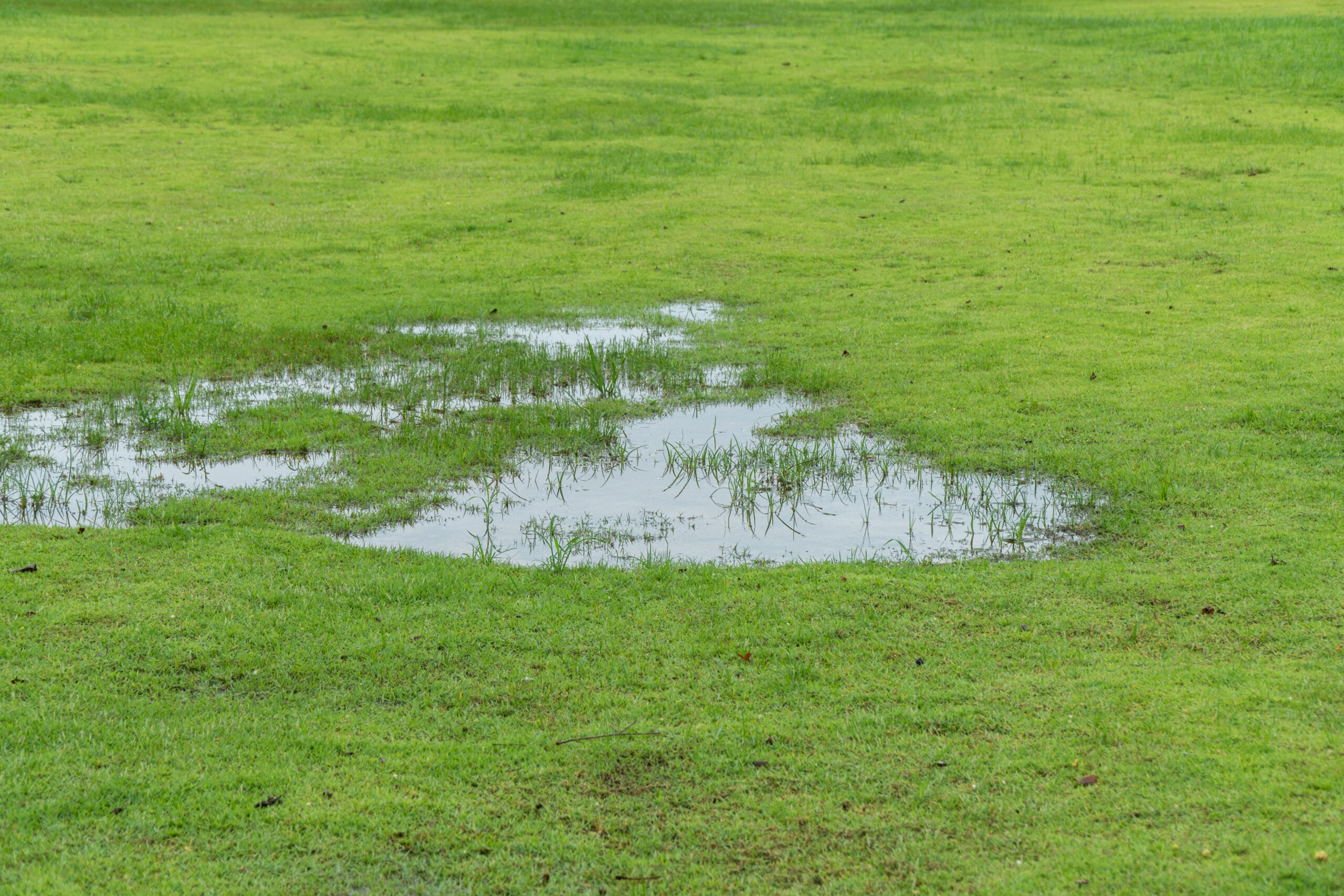
If you notice dips, puddles, or a gentle slope forming where your lawn used to be flat, you are not alone. Many homeowners in Southeastern Wisconsin see their yards settle or sink over time. Some settling is natural. In other cases, it points to a drainage or grading issue that can lead to water damage, uneven lawns, and costly repairs. If you are searching for yard grading Jefferson County to figure out what is going on and what to do next, this guide explains the difference between normal settling and red flags, plus how Ziggy’s Landscape can help.
Is Settling the Same as Sinking?
People often use the words settling and sinking to describe the same problem, but they are not identical. Settling is the slow, expected compression of soil after construction or after soil is disturbed. Sinking is more serious. It means there is ongoing loss of soil support, poor drainage, or erosion. Understanding which one you have is the first step toward the right fix.
Why Yards Settle in Southeastern Wisconsin
Several factors cause yards in Walworth and Jefferson counties to settle or sink. Local soil types, weather patterns, and how your yard was built all play a role.
Soil Consolidation After Construction
When a home, addition, or patio is built, contractors move soil. Even when compacted, the fill will compress in the first one to three years. Light settling around the foundation or over utility trenches is common.
Freeze and Thaw Cycles
Our winters and springs are tough on soil. Water freezes, expands, and lifts the ground. When it thaws, the soil relaxes and can drop unevenly. Repeat this over several seasons and small waves or depressions can show up across the lawn.
Clay and Silty Soils
Much of Southeastern Wisconsin has clay or silty loam. These soils hold water. When wet, they expand. When dry, they shrink and crack. That movement can shift the surface and create dips that collect more water, which then makes the problem worse.
Poor Drainage and Downspout Discharge
Downspouts that empty near the foundation, or areas where the lawn slopes toward the house, add water to the soil. Wet soil consolidates faster and can wash away fines. Over time, you may see sinking near the home, sidewalks, or along fence lines.
Buried Debris and Organic Material
Old stumps, construction debris, or thick layers of wood chips eventually break down. When that material decays, the soil above settles and a low spot appears.
Utility Trenches and Repairs
Gas, water, or cable lines run in trenches. If the trench backfill was not compacted in thin layers, it will settle. You may notice long, narrow depressions that mirror the route of the buried lines.
Traffic and Equipment
Repeated mower passes, vehicle parking, or heavy equipment compresses soil. Compaction reduces air pockets and lowers the surface grade in those wheel tracks.
Rodents and Insects
Moles, voles, and ants tunnel through soil and root zones. This weakens support just beneath the turf and can start a slow collapse in affected areas.
What Is Normal Settling vs. a Big Problem?
Normal Signs You Can Watch
- Shallow depressions that are less than 1 inch deep and do not hold water for more than a day
- Minor settling along new foundations or freshly landscaped areas during the first one to three years
- Small waves or bumps after winter that even out as the soil dries and you resume mowing
Warning Signs You Should Not Ignore
- Puddles that linger more than 24 to 48 hours after rain
- Soil sloping toward the house or garage, especially within the first 6 to 10 feet
- Cracks in sidewalks or a patio that line up with sunken turf
- Soft, spongey ground near downspouts or sump pump discharge
- Repeated washouts after storms
- Low spots deeper than 2 inches that return after simple topdressing
When these red flags appear, it is time to look at drainage and grading. Left alone, water can seep into foundations, kill turf, and create ice hazards in winter.
Simple Checks You Can Do This Weekend
Before you call a pro, you can do a quick self-assessment. These steps will help you decide if you need yard grading.
- Walk the yard after a rain and circle any puddles that remain after 24 hours.
- Place a level on a straight 10 foot board next to your house and measure the drop. You want 1 inch of fall per foot for the first 6 to 10 feet away from the foundation.
- Check downspouts. Extensions should carry water at least 6 feet from the house.
- Probe soft areas with a screwdriver. If it sinks easily more than a few inches, the soil is saturated or loose.
- Look for long, narrow dips that trace utility lines or trench routes.
If your yard fails these checks, you are a candidate for yard grading. For a local, reliable solution, search yard grading Jefferson County and you will find Ziggy’s Landscape near the top because this is our daily work.
DIY Fixes for Small Low Spots
For minor settling, you can often fix it yourself with patience and the right materials.
- Topdress and seed. Mix compost and sand or screened topsoil. Apply light layers, no more than half an inch at a time. Reseed and water. Repeat every few weeks until level.
- Fill deeper holes in stages. If a depression is 2 inches or more, add soil in layers and compact with your foot or a roller between lifts.
- Adjust downspouts. Add extensions and splash blocks to move water farther away.
- Aerate compacted areas. Core aeration helps water move down and reduces surface settling from compaction.
If low spots keep returning or water keeps pooling, DIY will not be enough. That is when professional yard grading makes the difference.
When to Call for Professional Yard Grading
Choose a pro when the grade near your home is wrong, when water sits for days, or when you see damage to concrete or foundations. In these cases, you need a plan that addresses slope, soil structure, and drainage. For yard grading Jefferson County homeowners trust, Ziggy’s Landscape offers finish grading and drainage solutions designed for our soils and weather.
How Ziggy’s Landscape Fixes Settling and Sinking
Ziggy’s Landscape is a professional landscaping company based in Southeastern Wisconsin, serving Walworth and Jefferson counties. We create and maintain outdoor spaces for homes and businesses. Our team handles regular lawn mowing, new lawn installation with seed and sod, mulch application, finish grading for proper drainage, seasonal clean-ups in spring and fall, and snow removal in winter. When it comes to settling and sinking, here is how we help.
1. Site Assessment and Free Consultation
We inspect your yard, measure existing slope, review drainage patterns, and identify causes. We check downspouts, soil type, and any trench routes or buried debris. You get clear options and a written plan.
2. Grading Plan and Rough Shaping
If regrading is needed, we bring in the right soil and shape the site so water flows away from the foundation and toward safe outlets. We aim for at least a 2 percent slope near structures whenever the site allows.
3. Finish Grading for Smooth, Even Surfaces
Finish grading is the final refine. We set the top layer for proper drainage and a smooth lawn. This step avoids future puddles and makes mowing easy.
4. Drainage Add-Ons When Needed
Some yards need more than slope. We can add downspout extensions, swales, French drains, or dry wells to move water. We design these features so they work with your yard, not against it.
5. Lawn Restoration With Seed or Sod
After grading, we install premium seed blends or sod that match sun and shade. We topdress and roll for good soil contact and provide a watering schedule so your lawn knits quickly.
6. Ongoing Care
Our team can maintain your lawn with regular mowing, aeration, overseeding, and seasonal clean-ups. Proper care keeps soil healthy and reduces new settling. In winter, we offer snow removal to protect your walkways and entries.
Yard Grading Jefferson County: What to Expect
Many homeowners want to know how the process works from start to finish. Here is what you can expect when you choose Ziggy’s Landscape for yard grading Jefferson County and nearby areas.
- Free assessment. We listen to your concerns, walk the site, and discuss options and budgets.
- Clear proposal. You receive a detailed plan that explains grading changes, drainage improvements, and lawn restoration steps.
- Utility marking. We contact the local utility locating service so we avoid buried lines during grading.
- Scheduling. We plan your project during a weather window that protects the soil structure and your new lawn.
- Grading and drainage. Our crew reshapes the yard, sets slopes, and installs any needed drainage features.
- Soil conditioning and finish grade. We refine the top layer to prepare for seed or sod.
- Lawn installation. We seed or sod, then provide a simple care plan you can follow.
- Final walkthrough. We check the work with you and answer questions.
Best Time of Year to Regrade in Wisconsin
Weather matters. In our area, spring and early fall are ideal for grading and lawn work. The soil has the right moisture, temperatures are moderate, and new grass establishes faster. Summer projects can be done with tight watering plans. Late fall grading is possible if the ground is not frozen, but seeding may wait until spring. Ziggy’s Landscape will guide you to the best timing for your yard and schedule.
Prevent Future Settling and Sinking
Good habits can keep your lawn level and dry after your project is complete. Even if you are not ready for grading, these steps improve your yard today.
- Extend downspouts at least 6 feet and check for leaks in gutters.
- Maintain a gentle slope away from the house for 6 to 10 feet.
- Aerate compacted areas and add organic matter to improve soil structure.
- Avoid parking or storing heavy items on the lawn.
- Use mulch wisely. Keep it thinner near the house and avoid burying large wood chunks.
- Remove old stumps and roots fully before installing new lawn areas.
- Direct sump pump discharge to a safe daylight location or a dry well.
FAQs About Settling, Sinking, and Yard Grading
How long does new soil take to settle?
Lightly disturbed soil may settle within a few months. Fill that was placed during construction can settle for one to three years. If grade near the house is incorrect, do not wait. Fixing slope early protects your foundation.
How much slope do I need near my home?
A good target is 1 inch of fall per foot for the first 6 to 10 feet away from the foundation. Some sites cannot achieve that much space. We adjust the solution to the layout and may add underground drainage.
Will topdressing fix my yard for good?
Topdressing works for shallow depressions and minor waves. If the subgrade is wrong or water is pooling, topdressing is temporary. Proper yard grading and drainage is the lasting fix.
Do I need a French drain?
Only if surface grading cannot carry water away or if groundwater is entering. Many yards improve with better slope, downspout extensions, and a swale. Ziggy’s Landscape recommends French drains or dry wells only when they are the right tool for the job.
Should I choose seed or sod after grading?
Sod gives instant coverage and reduces erosion risk. Seed costs less and can be customized to sun and shade. We install both and will recommend the best choice for your budget and timing.
How soon can I use my lawn after grading?
With sod, light foot traffic is fine after a week. Full use usually takes three to four weeks. With seed, expect 6 to 10 weeks before normal use. Watering and mowing on time help the lawn establish faster.
Why Choose Ziggy’s Landscape
Ziggy’s Landscape delivers high-quality, customized solutions for homes and businesses across Walworth and Jefferson counties. We combine practical grading know-how with lawn care that lasts. Our team respects your budget, communicates clearly, and maintains your property long after the project is complete. From finish grading for proper drainage to new lawn installation and seasonal clean-ups, we keep your yard safe, healthy, and attractive all year. If you are comparing yard grading Jefferson County providers, put our experience to work on your property.
Real Benefits of Fixing Grade Now
- Protect your foundation and basement from water issues
- Prevent puddles and thin turf
- Make mowing easier and safer
- Reduce ice build up where water used to sit
- Improve curb appeal and property value
What Makes a Good Grading Job
Quality grading is more than moving dirt. It sets a durable base, matches the way water naturally flows, and prepares the surface for a healthy lawn. Here is what we focus on at Ziggy’s Landscape.
- Correct slope near structures and hardscapes
- Compacted subgrade with a conditioned topsoil layer
- Smooth finish grade that drains but still looks natural
- Drainage features that blend into the landscape
- Right seed or sod for site conditions
Ready to Stop the Sinking?
If you see puddles that linger, soil settling near your house, or uneven turf, take the next step. Ziggy’s Landscape offers friendly, professional help from assessment to finish grading, plus the lawn care to keep everything looking great. For yard grading Jefferson County and throughout Walworth County, we are your local team. Contact Ziggy’s Landscape to schedule a free assessment today. We will explain what is normal, what needs attention, and how to fix it for good so your yard drains properly and looks its best in every season.